Surrogacy Guide

Are There International Chain Fertility Centers in Hong Kong? Real Situation & Selection Reference

Are There International Chain Fertility Centers in Hong Kong? Real Situation & Selection Reference

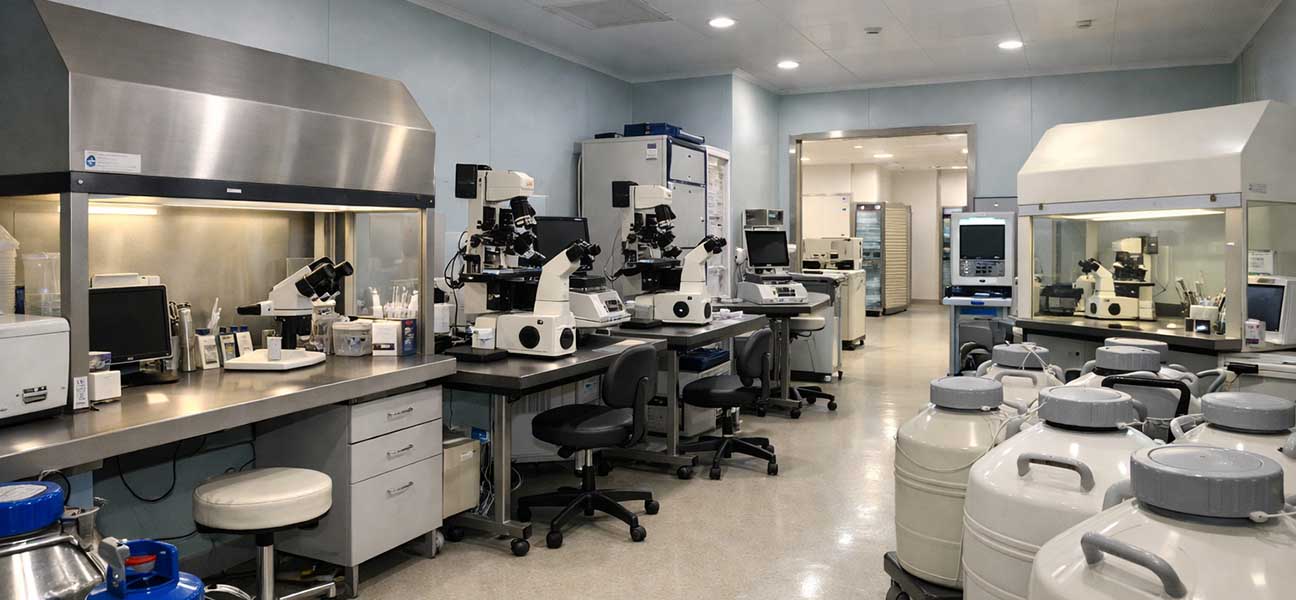
Hong Kong currently has no strictly defined international chain fertility centers, but there are many local fertility centers meeting international standards. This article introduces the current status of Hong Kong fertility centers, regulatory systems, selection points, and treatment processes, providing a reference for those interested in assisted reproduction in Hong Kong.
Current Status of Egg Freezing Technology in Hong Kong: Vitrification Recovery Rate 85%-95%, Suitable for Whom

Current Status of Egg Freezing Technology in Hong Kong: Vitrification Recovery Rate 85%-95%, Suitable for Whom

Egg freezing technology in Hong Kong uses vitrification, with egg recovery survival rates of 85%-95%, aligning with international standards. Suitable for women needing to preserve fertility for medical or social reasons, recommended before age 35. The Hong Kong Council on Human Reproductive Technology strictly regulates all licensed centers. Fertility assessments such as AMH, FSH, and antral follicle count are required before freezing, with the overall process taking about 2-3 months. Egg freezing does not guarantee future pregnancy 100%; it should be viewed rationally as a means of preserving fertility opportunities.

Hong Kong IVF Contract Signing Guide: Clause Interpretation and Precautions

Hong Kong IVF Contract Signing Guide: Clause Interpretation and Precautions

Hong Kong IVF contracts involve core clauses such as medical plans, fee structures, embryo disposition, and legal liabilities. Before signing, key points to confirm include whether fees cover the entire cycle, embryo ownership, multiple pregnancy management, and contract termination conditions. This article interprets the contract points from both legal and medical perspectives to help patients make informed decisions.

Hong Kong IVF Diet Hygiene Guide: Dietary Restrictions & Hygiene Precautions During Treatment

Hong Kong IVF Diet Hygiene Guide: Dietary Restrictions & Hygiene Precautions During Treatment

A comprehensive analysis of dietary hygiene considerations during IVF treatment in Hong Kong. Covers dietary priorities and restrictions during ovarian stimulation, before and after egg retrieval, and the embryo transfer period, hygiene assessment for dining out, and key nutrients to supplement. Helps you manage your diet during treatment in Hong Kong and reduce infection risk.

Accommodation Options Near Hong Kong Assisted Reproduction Hospitals: Hotel, Apartment & Homestay Comparison and Booking Guide

Accommodation Options Near Hong Kong Assisted Reproduction Hospitals: Hotel, Apartment & Homestay Comparison and Booking Guide

Accommodation options near assisted reproduction facilities such as Hong Kong Sanatorium & Hospital and Union Hospital include hotels, serviced apartments, and homestays. The length of stay typically ranges from 2 to 4 weeks depending on the treatment cycle, and costs are influenced by location, room type, and season. When booking, priority should be given to properties with convenient transportation and a quiet environment, and cancellation and change policies should be confirmed.

How to Judge the Hygiene Conditions of Hong Kong IVF Hospitals? Detailed Explanation of Regulatory Standards and On-site Conditions

How to Judge the Hygiene Conditions of Hong Kong IVF Hospitals? Detailed Explanation of Regulatory Standards and On-site Conditions

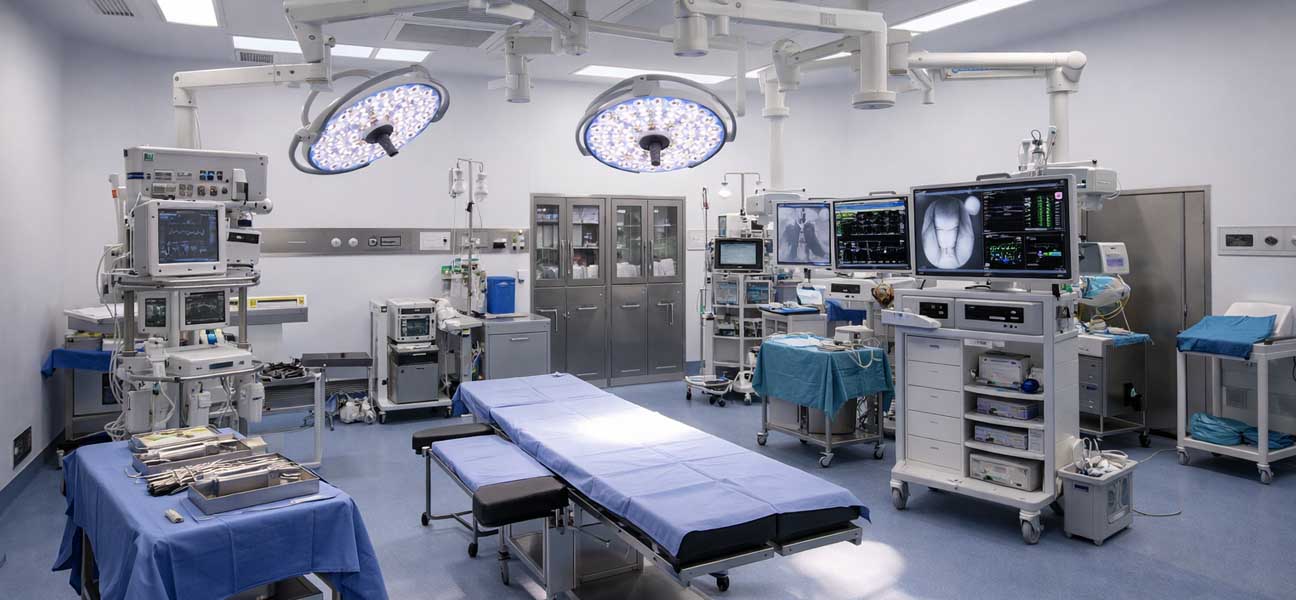
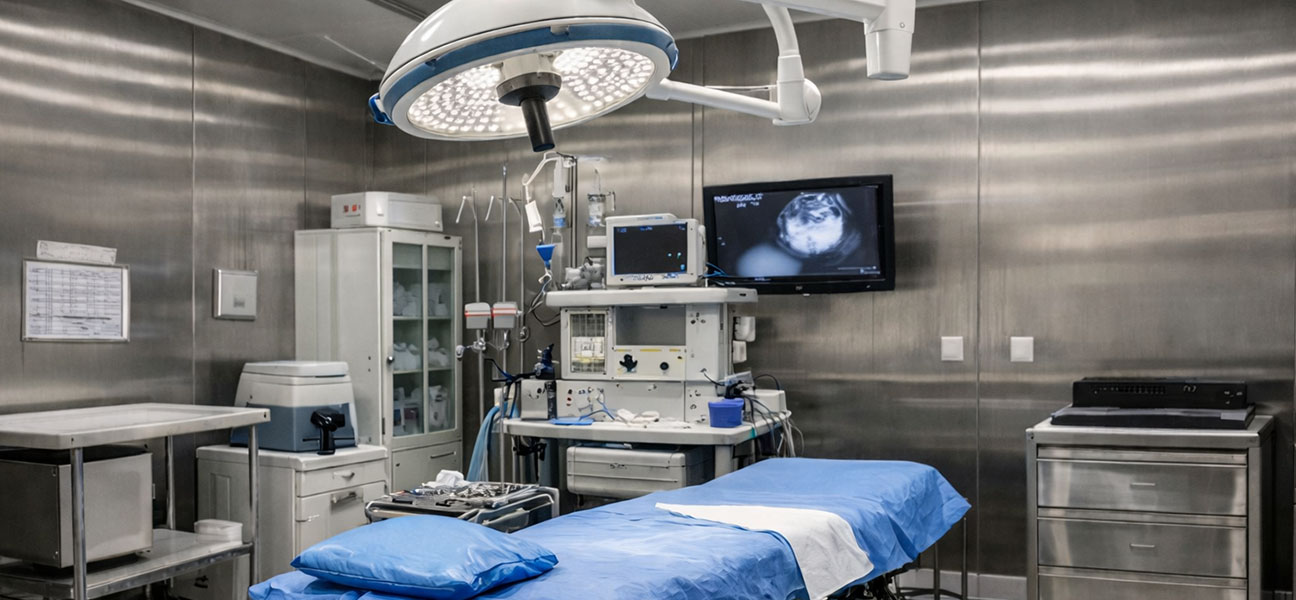
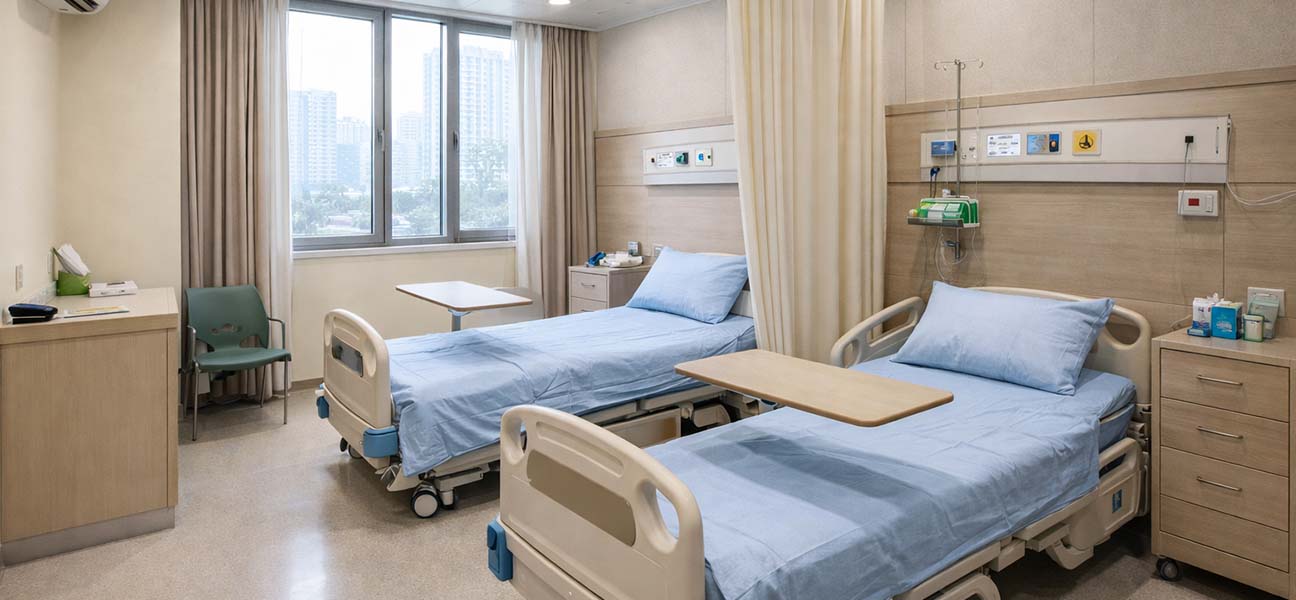
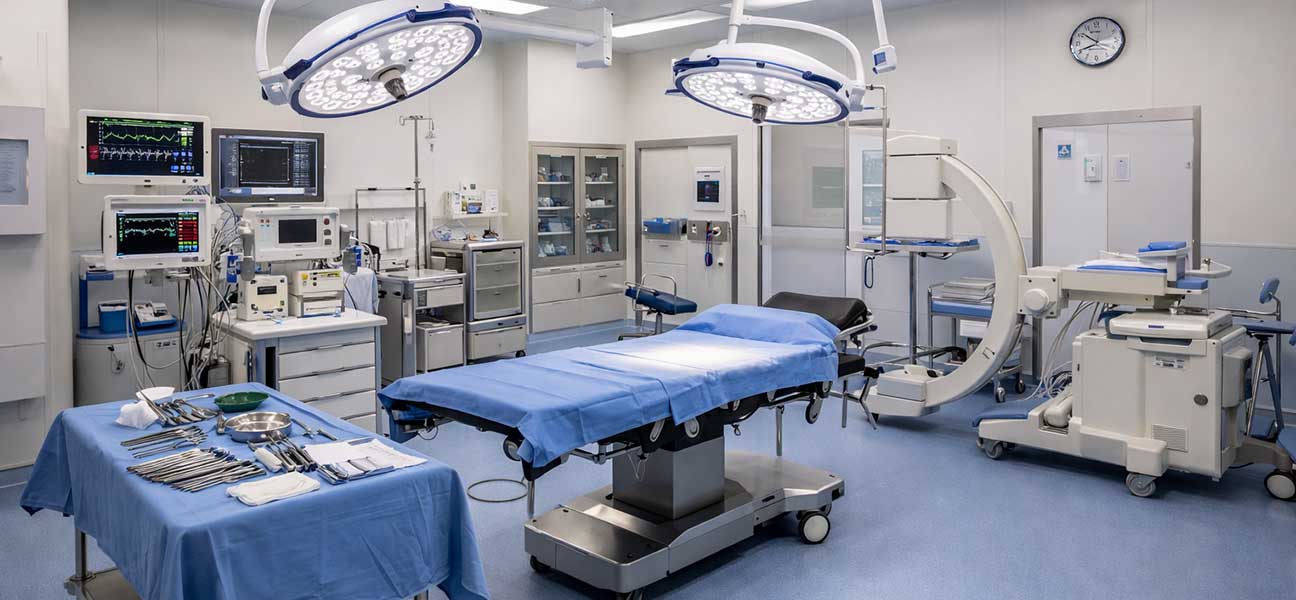
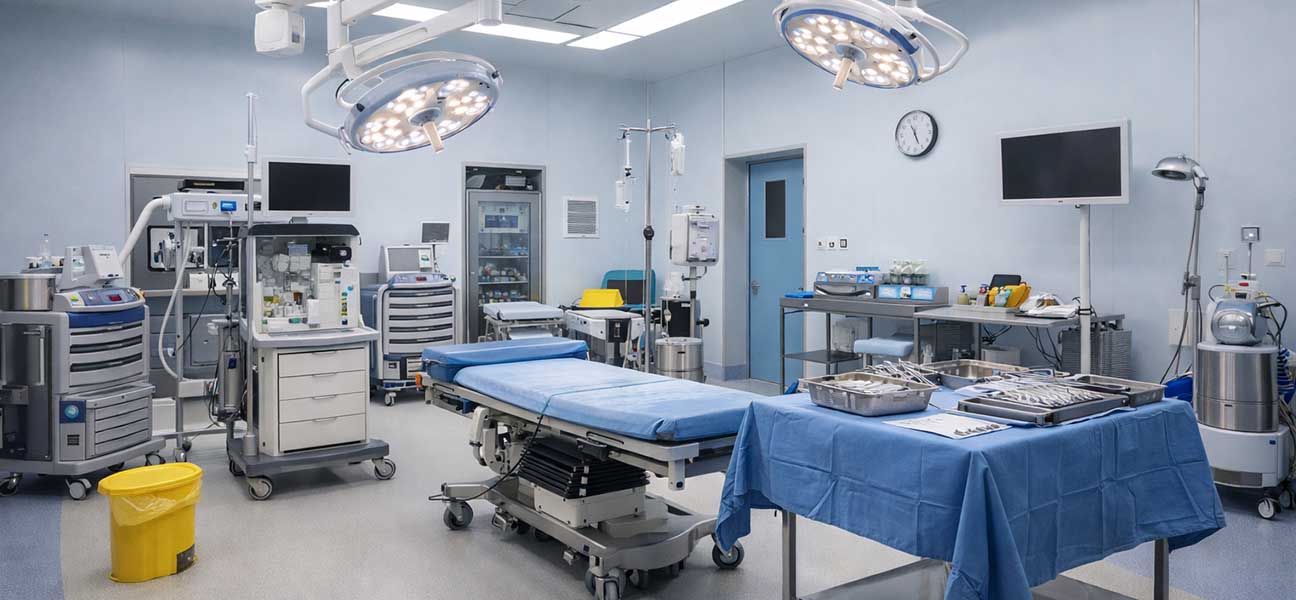
The hygiene conditions of Hong Kong IVF hospitals are under dual supervision of the Department of Health and the Council on Human Reproductive Technology, maintaining a generally high standard. Evaluation requires attention to operating room cleanliness, laboratory air purification, incubator stability, infection control procedures, and personnel operational standards. Differences exist among hospitals in equipment updates, consumables management, and quality control systems. Patients can judge through license verification, environmental observation, and laboratory accreditation.

Hong Kong Assisted Fertility Centres: Public or Private? Full Analysis of Institution Nature & Service Differences

Hong Kong Assisted Fertility Centres: Public or Private? Full Analysis of Institution Nature & Service Differences

Hong Kong assisted fertility centres are predominantly private; public hospitals offer only limited services with long waiting lists. This article provides a detailed analysis of the differences, service scope, cost variations, and selection strategies between public and private assisted fertility centres in Hong Kong, helping users accurately understand the institutional landscape of fertility treatment in Hong Kong.

Current Legal Status and Applicable Conditions of Surrogacy in Hong Kong

Current Legal Status and Applicable Conditions of Surrogacy in Hong Kong

Hong Kong surrogacy law, centered on the Parent and Child Ordinance, explicitly prohibits commercial surrogacy and only permits non-commercial altruistic surrogacy, with surrogacy agreements lacking legal enforceability. This article systematically reviews the legal framework and practical points of Hong Kong surrogacy from dimensions such as legal provisions, applicable conditions, risk warnings, and special situation handling.

Factors Affecting Blastocyst Transfer Success Rate in Hong Kong & Comparative Analysis with Mainland China

Factors Affecting Blastocyst Transfer Success Rate in Hong Kong & Comparative Analysis with Mainland China

Blastocyst transfer success rates in Hong Kong are influenced by multiple factors including laboratory conditions, embryo grading, maternal age, and endometrial receptivity. This article analyzes the sources of differences in blastocyst transfer success rates between Hong Kong and Mainland China from a reproductive medicine perspective, covering blastocyst culture techniques, PGT application, and patient selection criteria, to help understand the true meaning of success rate data.

Do you need to quit smoking and drinking before IVF in Hong Kong? Reproductive doctors answer preparation tips

Do you need to quit smoking and drinking before IVF in Hong Kong? Reproductive doctors answer preparation tips

Do you need to quit smoking and drinking before IVF in Hong Kong? Reproductive medicine studies show that tobacco and alcohol directly affect sperm and egg quality, reducing embryo implantation rates. This article analyzes the necessity, time requirements, and specific recommendations for quitting smoking and drinking from a medical perspective, helping couples prepare scientifically for pregnancy.

Can I still work after IVF in Hong Kong? Fertility specialist explains treatment cycle and work schedule

Can I still work after IVF in Hong Kong? Fertility specialist explains treatment cycle and work schedule

Whether you can continue working after IVF in Hong Kong depends on the treatment stage and the nature of your job. During ovarian stimulation, normal work is possible but flexible monitoring is needed. Rest 1-2 days after egg retrieval and 2-3 days after embryo transfer. This article provides specific advice based on the process, physical reactions, and work types.

Hong Kong Children's Hospital Reproductive Services Address & Department Guide | Patient Guide

Hong Kong Children's Hospital Reproductive Services Address & Department Guide | Patient Guide

Provides the address, service scope, consultation process, and important notes for reproductive health-related departments at Hong Kong Children's Hospital. Covers pediatric oncofertility preservation, genetic counseling, adolescent reproductive endocrine issues, etc., helping families accurately access specialist medical resources. Address: 102 Pok Fu Lam Road, Hong Kong Island.

Prince of Wales Hospital Assisted Reproduction Technology Centre Success Rate | Hong Kong Public Fertility Centre Data Interpretation

Prince of Wales Hospital Assisted Reproduction Technology Centre Success Rate | Hong Kong Public Fertility Centre Data Interpretation

The Prince of Wales Hospital Assisted Reproduction Technology Centre is a major public fertility centre in Hong Kong. Success rate data is regulated and publicly disclosed by the Hong Kong Council on Human Reproductive Technology. Live birth rate per transfer cycle is approximately 28%-33% for those under 35, 18%-25% for ages 35-40, and 8%-12% for ages over 40. Public hospitals have lower fees but strict selection criteria based on age and physical condition; comprehensive individual assessment is needed.

How Effective Is Non-Invasive Chromosomal Screening in Hong Kong? NIPT Principles and Clinical Applications

How Effective Is Non-Invasive Chromosomal Screening in Hong Kong? NIPT Principles and Clinical Applications

Non-invasive chromosomal screening (NIPT) in Hong Kong detects fetal chromosomal abnormalities from maternal peripheral blood, with detection rates exceeding 99% for trisomies 21, 18, and 13. This article explains NIPT's target population, testing process, report interpretation, and precautions from a reproductive medicine perspective to help patients make informed choices.