Surrogacy Guide

Criteria for Selecting Overseas IVF Hospitals: Qualifications, Laboratory, Doctors, and Success Rate Assessment

Criteria for Selecting Overseas IVF Hospitals: Qualifications, Laboratory, Doctors, and Success Rate Assessment

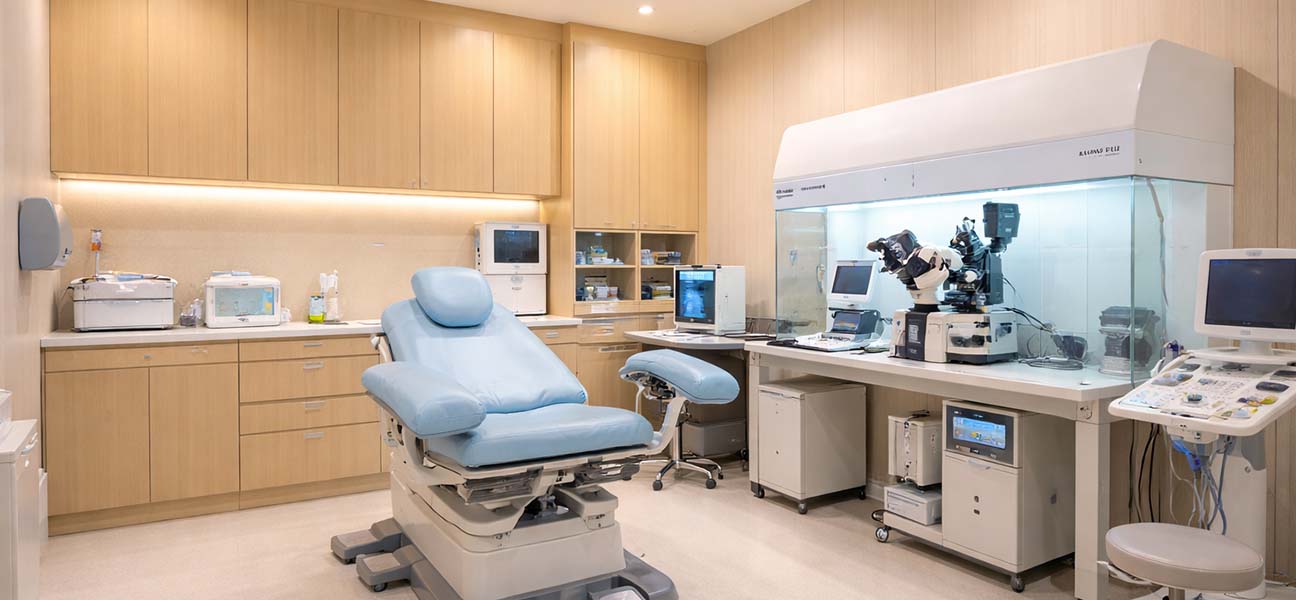
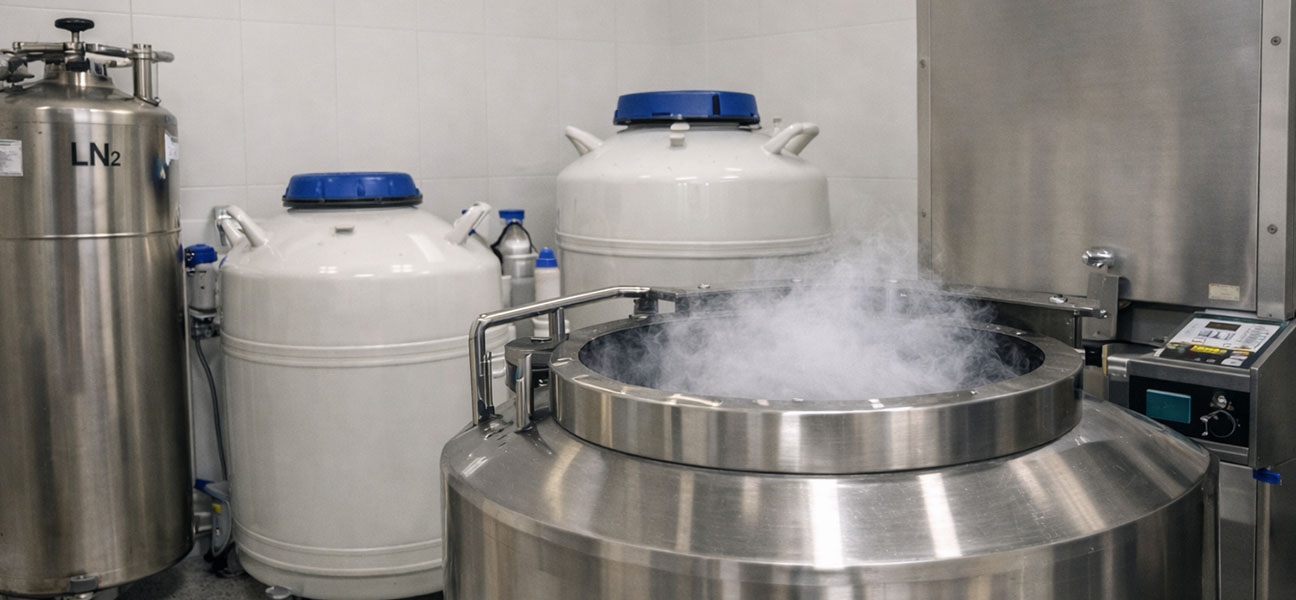
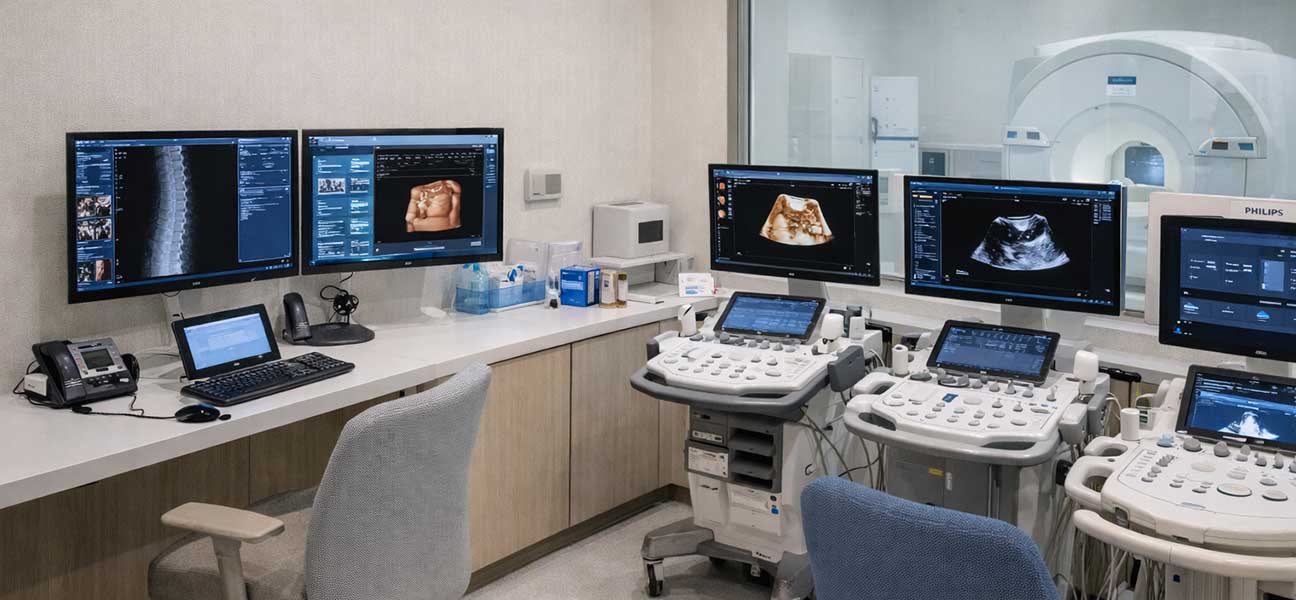
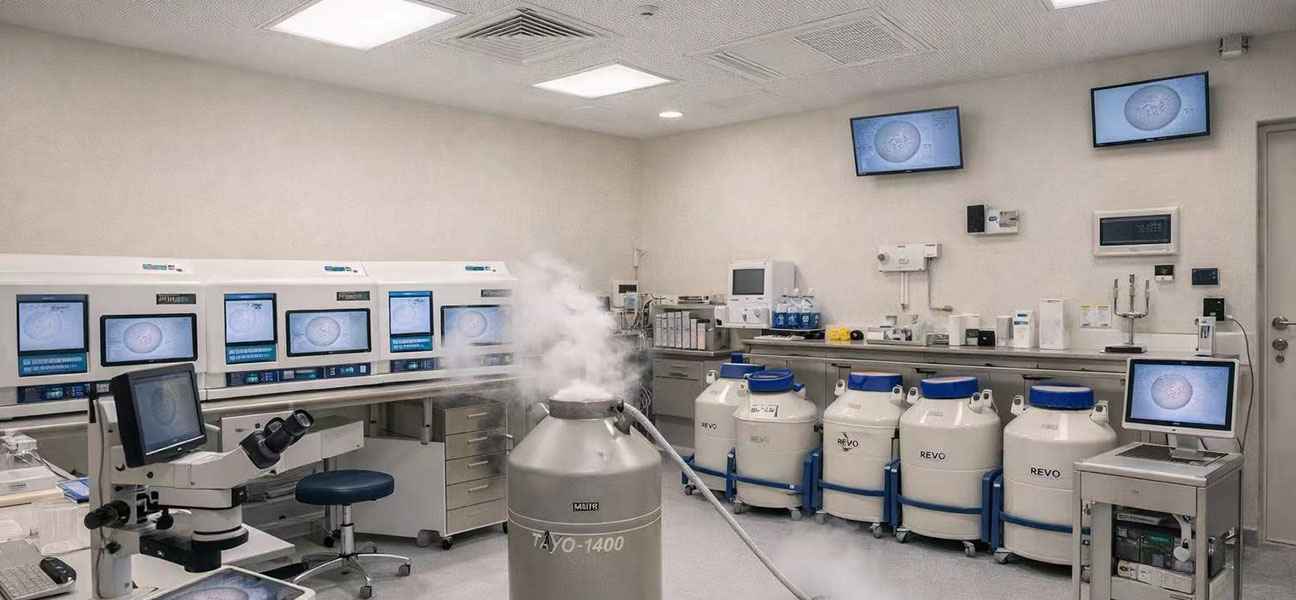
Selecting an overseas IVF hospital requires a comprehensive evaluation of institutional qualifications, laboratory standards, doctor experience, and success rate statistics. This article analyzes the core criteria for choosing an overseas IVF hospital from a medical professional perspective, helping identify reproductive centers with genuine technical strength.

Overseas IVF Male Factor Cases: How to Solve Severe Oligoasthenozoospermia and Azoospermia

Overseas IVF Male Factor Cases: How to Solve Severe Oligoasthenozoospermia and Azoospermia

Overseas IVF male factor cases cover severe oligoasthenozoospermia, azoospermia, high sperm DNA fragmentation, and more. For different types of male infertility, overseas IVF options include ICSI, testicular sperm aspiration, microdissection TESE, or donor sperm. This article analyzes real-case clinical decision logic, technical differences across countries, and the most easily overlooked key details to help patients understand the treatment pathway for male factors in overseas IVF.

How to Choose an Overseas IVF Hospital with Low AMH: Evaluation Framework, Country Differences, and Considerations

How to Choose an Overseas IVF Hospital with Low AMH: Evaluation Framework, Country Differences, and Considerations

When AMH is below 1.0, choosing an overseas IVF hospital requires attention to laboratory capability, doctor experience, and protocol matching. This article analyzes differences in treatment strategies for low AMH patients across countries from a reproductive medicine perspective, providing hard indicators for hospital evaluation, cost breakdown, and a guide to avoid pitfalls, helping patients build a scientific decision-making framework rather than blindly following trends.

Detailed Overseas Assisted Reproduction Process: From Pre-examination to Embryo Transfer

Detailed Overseas Assisted Reproduction Process: From Pre-examination to Embryo Transfer

What specific steps are involved in the overseas assisted reproduction process? From initial fertility assessment, document and visa preparation, to ovulation induction, egg retrieval, embryo culture, PGT testing, and transfer, this article systematically outlines the complete timeline, analyzes operational differences between countries, and highlights easily overlooked details and common misconceptions at each stage.

Complete Guide to Overseas Assisted Reproduction: Examination Items and Timeline Planning

Complete Guide to Overseas Assisted Reproduction: Examination Items and Timeline Planning

Overseas assisted reproduction involves multiple stages including fertility assessment, document preparation, and medical procedures. This article provides a comprehensive guide from a reproductive specialist's perspective, covering age-specific examination priorities, medical differences across countries, timeline planning, and risk warnings to help patients establish a clear action path.

How many days are embryos cultured in overseas IVF? Detailed explanation of the standard 3-6 day duration and key influencing factors

How many days are embryos cultured in overseas IVF? Detailed explanation of the standard 3-6 day duration and key influencing factors

Overseas IVF embryo culture generally takes 3-6 days. The exact number of days varies depending on embryo development speed, laboratory conditions, and treatment protocol. Day 3 is the cleavage stage, and Day 5-6 is the blastocyst stage. The choice between Day 3 transfer and continued culture to blastocyst depends on embryo quality, quantity, patient age, and previous cycle history. Culture strategies differ among reproductive centers in different countries. It is recommended to communicate fully with your doctor based on individual circumstances.

How to Choose Overseas IVF for Poor Egg Quality: Fertility Center Selection & Strategy Analysis

How to Choose Overseas IVF for Poor Egg Quality: Fertility Center Selection & Strategy Analysis

When choosing overseas IVF for poor egg quality, focus on individualized ovarian stimulation protocols, embryology lab standards, and embryologist experience. Japan's mild stimulation, Thailand's PGT, and the US comprehensive technology each have different focuses. This article analyzes applicable paths and decision logic for different situations from a reproductive medicine perspective.

How to Compare Overseas IVF Hospitals: A Complete Evaluation Guide from Success Rate Algorithms to Lab Standards

How to Compare Overseas IVF Hospitals: A Complete Evaluation Guide from Success Rate Algorithms to Lab Standards

Comparing overseas IVF hospitals requires evaluation from dimensions such as success rate statistics, laboratory grade, embryologist experience, genetic testing capabilities, and legal compliance. Hospitals in different countries vary in technical standards and regulatory systems. This article analyzes how to choose an overseas fertility center from a real patient consultation perspective.

What are the overseas reproductive medical institutions? Detailed explanation of major countries and hospital types worldwide

What are the overseas reproductive medical institutions? Detailed explanation of major countries and hospital types worldwide

Overseas reproductive medical institutions include private fertility centers, public hospital assisted reproduction departments, and international chains in the United States, Thailand, Japan, Russia, Malaysia, Spain, and other countries. Different countries have significant differences in technology, laws, and costs. Choices must be based on individual circumstances. This article sorts out the types of institutions, common country distributions, and medical treatment processes to help build a realistic understanding.

List of Overseas IVF Countries and Hospitals: Global Assisted Reproduction Center Distribution Characteristics and Selection Reference

List of Overseas IVF Countries and Hospitals: Global Assisted Reproduction Center Distribution Characteristics and Selection Reference

The choice of overseas IVF countries and hospitals directly affects treatment pathways and legal compliance. This article compiles medical characteristics, legal environments, distribution of well-known reproductive centers, and selection reference information for major global assisted reproduction countries, including Thailand, the United States, Malaysia, Japan, Georgia, Russia, Spain, etc., helping to understand the differences and applicable scenarios of different countries and hospitals.

Low AMH Overseas IVF: Which Country to Choose | How to Select a Destination for Diminished Ovarian Reserve

Low AMH Overseas IVF: Which Country to Choose | How to Select a Destination for Diminished Ovarian Reserve

Choosing the right overseas IVF country for low AMH requires a comprehensive evaluation of medical technology, legal policies, cost, and success rates. Thailand, the USA, Japan, Malaysia, and Greece each have advantages. This article analyzes the applicability, examination requirements, and procedural arrangements of different countries from a reproductive medicine perspective to help make an informed decision.

How to Choose Overseas IVF for Thin Endometrium? Evaluation Criteria and Decision Path

How to Choose Overseas IVF for Thin Endometrium? Evaluation Criteria and Decision Path

Thin endometrium is a common cause of IVF cycle cancellation. How to choose overseas IVF? It requires evaluating the cause, thickness, blood flow, and previous response of the thin endometrium, then matching endometrial preparation protocols and laboratory techniques from different countries. This article systematically reviews evaluation criteria and decision paths from a clinical decision-making perspective.

Overseas IVF Hospital Medical Team: Role Composition and Selection Evaluation Points

Overseas IVF Hospital Medical Team: Role Composition and Selection Evaluation Points

The core roles of an overseas IVF hospital medical team include reproductive doctors, embryologists, laboratory staff, nursing teams, etc. The professional configuration and collaboration level of the team directly affect the treatment plan and laboratory quality. This article provides a reference for evaluating overseas IVF medical teams from the perspectives of team composition, qualification assessment, and differences between countries.