Surrogacy Guide

What are the top five IVF hospitals in Hong Kong? An objective overview and selection reference

What are the top five IVF hospitals in Hong Kong? An objective overview and selection reference

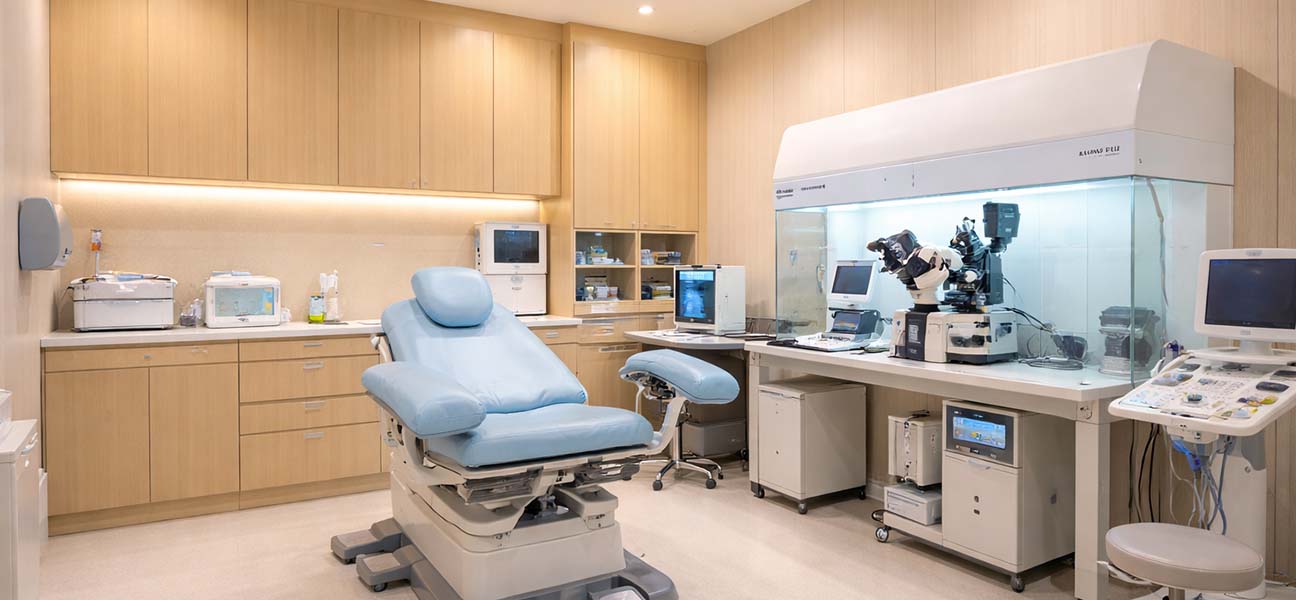
The top five IVF hospitals in Hong Kong are not an official ranking, but are formed based on industry consensus and patient reputation. This article reviews the characteristics and differences of major reproductive centers such as Hong Kong Sanatorium & Hospital, Union Hospital, Queen Mary Hospital, Hong Kong Reproductive Medicine Centre, and Gleneagles Hospital Hong Kong, providing an objective selection reference.

Hong Kong IVF Accommodation Arrangement: A Practical Guide to Hotel & Apartment Selection and Living Amenities

Hong Kong IVF Accommodation Arrangement: A Practical Guide to Hotel & Apartment Selection and Living Amenities

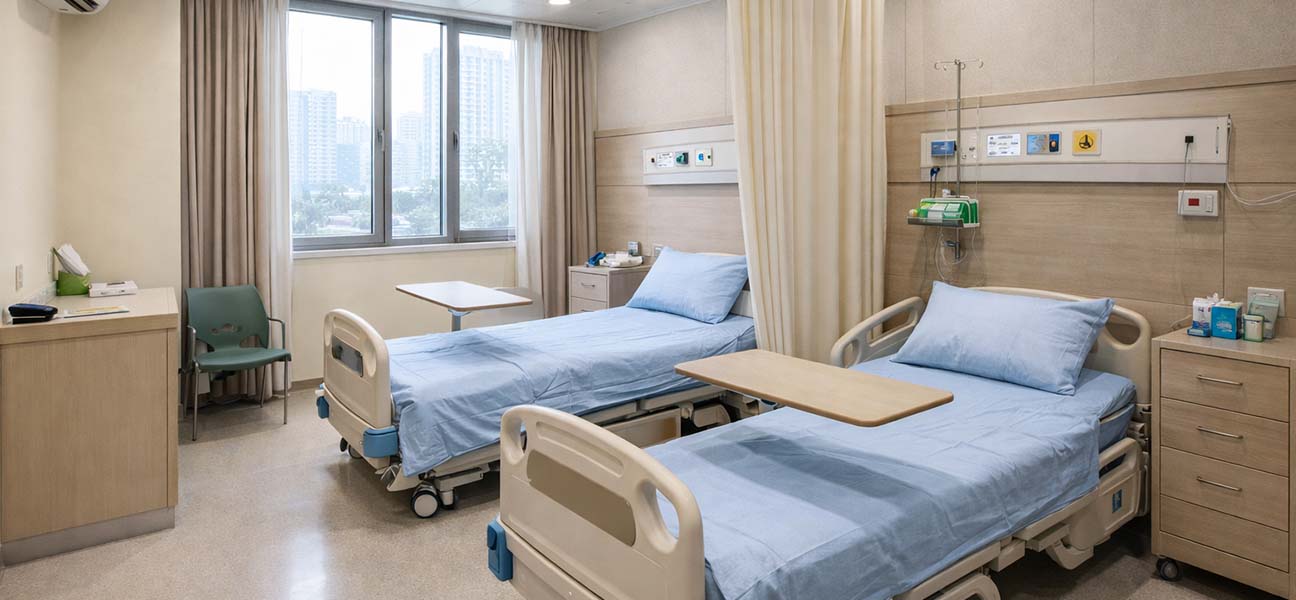
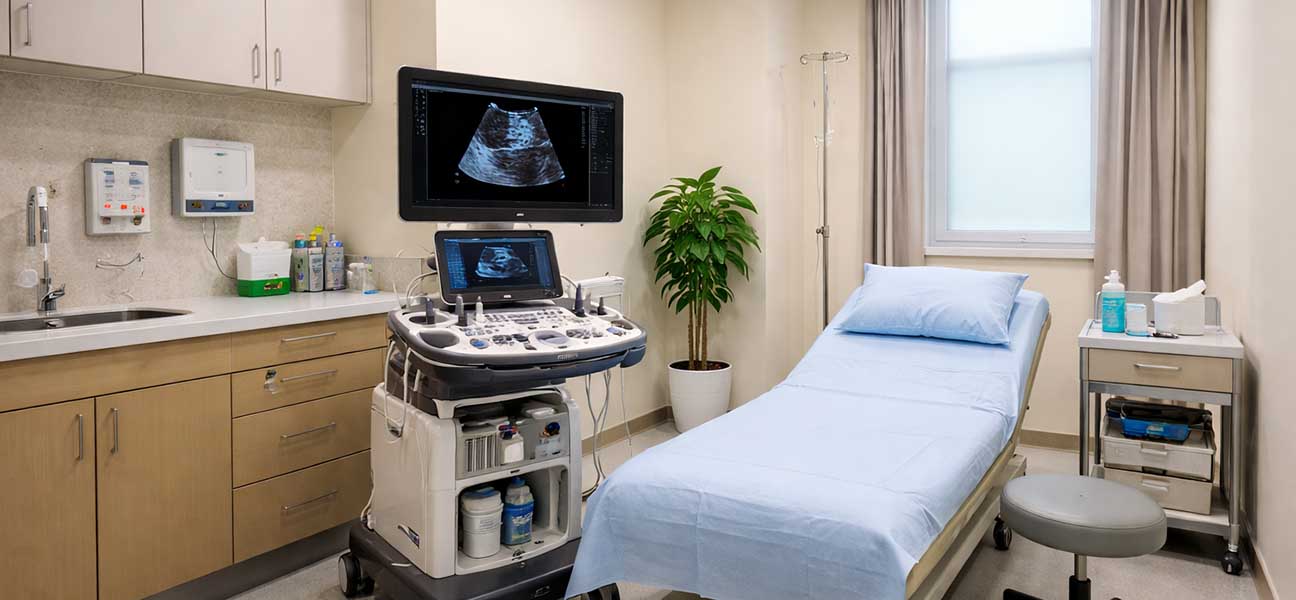
Hong Kong IVF accommodation arrangement needs to consider hospital location, treatment stage, budget, and living amenities. Based on real medical scenarios, this article provides accommodation options near Hong Kong Sanatorium & Hospital, Union Hospital, etc., covering comparisons of hotels, serviced apartments, and short-term rentals, as well as accommodation time planning and cost references for the stimulation, egg retrieval, and transfer stages.

Life Changes After Successful IVF in Hong Kong: Physical Recovery, Medication Adjustments, and Long-Term Health Management

Life Changes After Successful IVF in Hong Kong: Physical Recovery, Medication Adjustments, and Long-Term Health Management

After successful IVF in Hong Kong, life changes focus on medication regimen adjustments, physical recovery cycle management, dietary optimization, exercise intensity control, and emotional regulation. Management priorities vary by age group. Proper use of luteal support medications, prenatal check-up衔接, and long-term health follow-up are key to ensuring a good pregnancy outcome.

Is Mandarin Service Common for IVF in Hong Kong? Detailed Differences in Language Support Between Private and Public Institutions

Is Mandarin Service Common for IVF in Hong Kong? Detailed Differences in Language Support Between Private and Public Institutions

Answers the prevalence of Mandarin service for IVF in Hong Kong, analyzes language support differences between private fertility centers and public hospitals in consultation, examination, surgery, etc., provides a guide and precautions for Mandarin-speaking patients, and helps mainland residents assess whether language communication affects treatment outcomes.

Hong Kong Human Reproductive Technology Authority Certified Hospital List Query Guide

Hong Kong Human Reproductive Technology Authority Certified Hospital List Query Guide

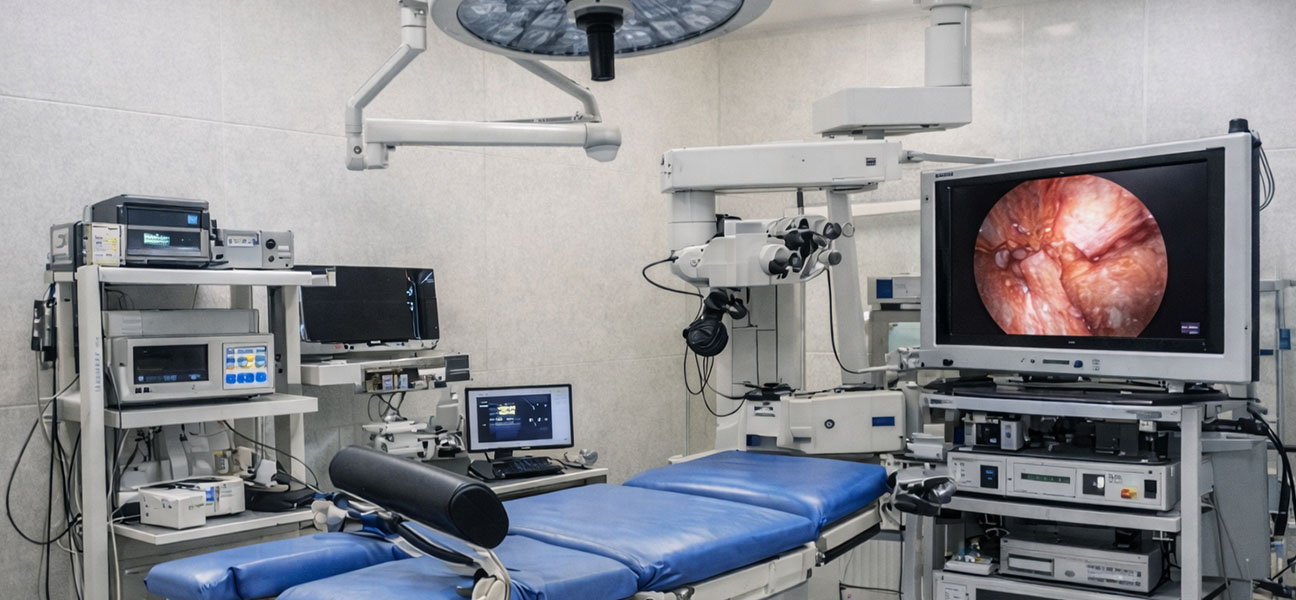
Complete list of hospitals certified by the Hong Kong Human Reproductive Technology Authority (HKHRTA), including licensed reproductive centers such as Queen Mary Hospital, Prince of Wales Hospital, and Hong Kong Sanatorium & Hospital. Provides official query methods, comparisons between centers, and considerations for hospital selection, helping patients verify license qualifications and avoid unlicensed operations.

Hong Kong Assisted Reproduction Technology Center Receives RTAC International Certification: Interpretation and Reference Significance for Patients

Hong Kong Assisted Reproduction Technology Center Receives RTAC International Certification: Interpretation and Reference Significance for Patients

RTAC certification is an international quality certification for assisted reproduction centers granted by the Reproductive Technology Accreditation Committee of Australia. The Hong Kong Assisted Reproduction Technology Center obtaining RTAC certification means its laboratory standards, embryology technology, and clinical management meet international norms. This article interprets the audit standards of RTAC certification, its significance for patients, and how to choose a certified center.

How to manage diet during IVF in Hong Kong? Dietary adjustments and precautions before and after ovulation induction and embryo transfer

How to manage diet during IVF in Hong Kong? Dietary adjustments and precautions before and after ovulation induction and embryo transfer

How to manage diet during IVF in Hong Kong? This article provides specific dietary advice for different stages including ovulation induction, egg retrieval, and embryo transfer, covering protein intake, folic acid supplementation, and avoiding raw or cold foods. Suitable for those undergoing IVF treatment in Hong Kong or planning to do so, covering common taboos and nutritional pairing principles.

Traditional Chinese Medicine Conditioning Before IVF in Hong Kong: Target Groups, Scientific Evaluation, and Clinical Advice

Traditional Chinese Medicine Conditioning Before IVF in Hong Kong: Target Groups, Scientific Evaluation, and Clinical Advice

Is Traditional Chinese Medicine conditioning necessary before IVF in Hong Kong? This article analyzes the mechanisms, target groups, and scientific basis of TCM conditioning from a reproductive medicine perspective. It covers conditioning strategies for women of different ages, potential risks, and precautions to help patients make rational decisions.

Proportion of Mainland Patients in Hong Kong Assisted Reproduction Hospitals and Treatment Guide 2025

Proportion of Mainland Patients in Hong Kong Assisted Reproduction Hospitals and Treatment Guide 2025

Mainland patients account for about 30%-60% of patients in Hong Kong assisted reproduction hospitals, reaching up to 70% in some centers. Mainland patients choose Hong Kong mainly due to legal compliance, technical standards, and language convenience. Hong Kong allows PGT genetic screening, egg freezing, and other projects restricted in Mainland China, with a standardized medical system. A legal marriage certificate is required, along with a Hong Kong and Macau Entry Permit and visa. The cost per cycle is approximately HKD 80,000-150,000.

How Good is Vitrification Technology in Hong Kong - Principles, Survival Rates, and Clinical Application Analysis

How Good is Vitrification Technology in Hong Kong - Principles, Survival Rates, and Clinical Application Analysis

Vitrification technology in Hong Kong is widely used in assisted reproduction, with embryo cryopreservation survival rates between 95%-99% and oocyte cryopreservation survival rates between 85%-95%. This article provides an objective analysis from perspectives including technical principles, clinical applications, differences among fertility centers, and suitable candidates, to help understand the true level of this technology.

Do Hong Kong Assisted Reproduction Hospitals Offer Translation Services? Medical Communication Language Guide

Do Hong Kong Assisted Reproduction Hospitals Offer Translation Services? Medical Communication Language Guide

Hong Kong assisted reproduction hospitals typically offer multilingual translation services, including Mandarin, English, and Cantonese. Private fertility centers often have dedicated translators or use third-party services to address communication issues. Patients can book translation in advance to ensure smooth consultations, examinations, and surgical consent procedures. This article details different hospital translation policies, booking methods, costs, and common precautions.

How Long After Successful IVF in Hong Kong to Be Stable? Key Timelines and Indicators

How Long After Successful IVF in Hong Kong to Be Stable? Key Timelines and Indicators

After successful IVF in Hong Kong, clinical stability is typically marked by the NT scan at 12 weeks of pregnancy. This article interprets stability standards across different ages and embryo qualities based on key milestones such as HCG doubling after transfer, ultrasound detection of fetal heartbeat, and NT scan, helping readers objectively understand the true meaning of 'stability' and avoid excessive anxiety or blind optimism.

Psychological Adjustment Guide After IVF Failure in Hong Kong - Reproductive Medicine Science

Psychological Adjustment Guide After IVF Failure in Hong Kong - Reproductive Medicine Science

Psychological adjustment methods after IVF failure in Hong Kong, covering emotional management, couple communication, and medical attribution analysis. Scientific coping strategies provided by reproductive doctors to help patients understand the reasons for failure and plan subsequent treatment paths. Includes age-specific advice and an introduction to local psychological support resources in Hong Kong.