
Privacy Protection Status in Hong Kong IVF Hospitals: Consultation Process and Patient Experience Analysis

Hong Kong IVF hospitals operate under strict legal regulations and hospital management systems regarding privacy protection. Based on real patient experiences, this article analyzes privacy protection measures across different types of reproductive centers in Hong Kong, including consultation processes, medical record management, and spatial design, helping privacy-conscious patients make informed choices.
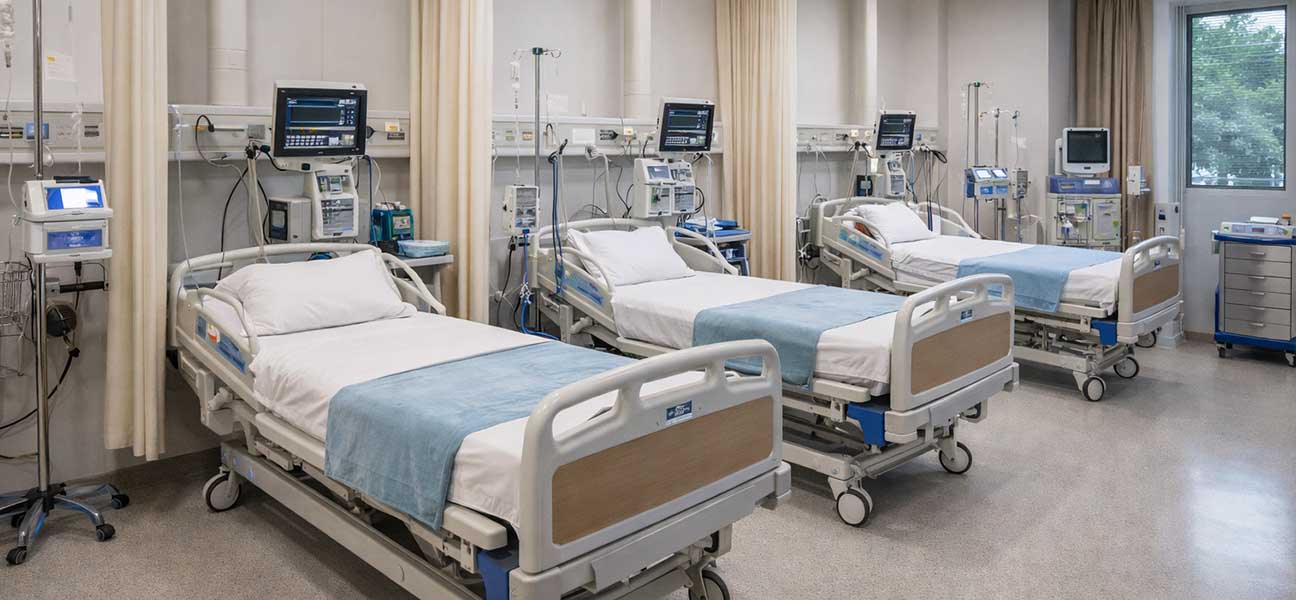
▎Real Consultation Scenarios
Last week, I received a remote consultation from a patient in Shenzhen. She was comparing several reproductive centers in Hong Kong, and her most pressing question was straightforward: "Do Hong Kong IVF hospitals really value privacy? How do they compare to mainland China? I'm very concerned about whether my information might be leaked during the consultation process." This question has become increasingly frequent in consultations over the past six months, especially among patients working in finance, law, and education, who show significantly higher sensitivity to privacy.
Hong Kong's healthcare system has its unique legal foundation and operational habits regarding privacy protection. Answering this question cannot simply be a "yes" or "no"; it depends on the specific type of hospital, the consultation process, and the patient's own expectations. Below, we break it down from several key dimensions.
I. Current Status and Differences in Privacy Protection at Hong Kong IVF Hospitals
All medical institutions in Hong Kong are bound by the Personal Data (Privacy) Ordinance (PDPO), which has clear provisions on the collection, use, storage, and disclosure of personal information. Data involved in assisted reproduction includes: identity information, medical records, laboratory results, embryo genetic data, and information on sperm/egg donors. All of these are classified as sensitive personal data and are strictly protected by law.
However, at the practical implementation level, there are significant differences between different types of hospitals:
| Hospital Type | Privacy Protection Features | Common Patient Feelings |
|---|---|---|
| Private Reproductive Centers (e.g., Hong Kong Sanatorium & Hospital, Union Hospital, Gleneagles Hong Kong) |
Private consultation rooms, appointment-based patient flow, encrypted electronic medical records, double-blind sample labeling, staff confidentiality agreements, one-on-one follow-ups | Strong overall sense of privacy, uninterrupted consultation process, fewer concerns about information leakage |
| Public Hospital Reproductive Departments (e.g., Queen Mary Hospital, Prince of Wales Hospital) |
Privacy protection procedures exist, but waiting areas can be crowded, consultation rooms may be shared, and medical record management is relatively centralized | Some patients feel the privacy experience is average, especially during waiting and examination stages |
| Overseas Chain Institutions (e.g., certain international brands) |
Most adopt international privacy standards, but attention must be paid to informed consent for cross-border data transfer | Privacy protection level is relatively stable, but extra attention is needed for data export clauses |
Key Conclusion: For privacy-conscious patients, private reproductive centers are the preferred choice. Public hospitals are also compliant at the legal level, but due to high patient volume and open spaces, the privacy experience may be compromised. All hospitals prohibit unauthorized disclosure of information, but the degree of "privacy focus" is reflected in the procedural details.
II. Privacy Protection Measures in the Consultation Process
Privacy protection is not just a slogan; it runs through the entire process from appointment to follow-up. Below are common practices seen in Hong Kong private reproductive centers:
1. Appointment and Registration
- Anonymous Appointment: Some centers allow booking using only a surname and phone number, without requiring full name and ID number in advance.
- Staggered Reception: Each patient is given a fixed appointment time to avoid prolonged waiting with other patients.
- Private Registration Area: The registration desk has privacy screens, or registration is completed directly in a private consultation room.
2. Consultation Room Visit
- One Patient Per Room: The consultation room sees only one patient (or couple) at a time, and the doctor does not handle other matters simultaneously.
- Encrypted Electronic Medical Records: Doctors view medical records on tablets or computers with privacy screens, which automatically lock when the system is exited.
- Conversation Privacy: Consultation rooms have good soundproofing; conversations cannot be heard from outside the door.
3. Examinations and Sample Collection
- Private Collection Rooms: Semen collection, vaginal ultrasounds, hysteroscopies, and other examinations are conducted in private rooms, not shared with others.
- Sample Anonymization: All samples (blood, semen, follicular fluid, embryos) are identified using a unique code, with no patient name visible.
- Encrypted Result Transmission: Laboratory data is transmitted to the doctor's terminal via an encrypted system, and printing reports requires authorization.
4. Embryo and Genetic Data Protection
- Double-Blind Embryo Labeling: Each embryo has a unique number; culture dishes show only the number and date, not patient information.
- PGT Data Encryption: Genetic test results are sent to the doctor as encrypted files. Patients must sign an authorization to receive the full report.
- Disposal Records for Discarded Samples: The disposal of all discarded embryos and samples is documented in writing, with double-checking by two staff members.
5. Follow-up and Result Notification
- Designated Contact Method: Patients can designate a single contact method (e.g., encrypted email, clinic app, personal mobile phone) to avoid information passing through third parties.
- Identity Verification for Results: When results are given by phone or online, the patient's date of birth and answer to a pre-set security question are verified first.
III. Detailed Privacy Protection Comparison by Hospital Type
| Privacy Dimension | Private Reproductive Center | Public Hospital Reproductive Department |
|---|---|---|
| Waiting Area Privacy | Private lounges or cubicles; patients do not see each other | Open waiting area; may share space with patients from other departments |
| Medical Record Management | Electronic records + encryption; patients can view access logs anytime | Electronic records + paper backups; access requires department head approval |
| Staff Training | Confidentiality agreement signed upon hiring; annual refresher training | Confidentiality policies exist, but training frequency and enforcement vary |
| Sample Labeling | Double-checking + QR code + RFID tracking | Manual checking + barcode labeling |
| Data Breach Response | Dedicated privacy officer and complaint process; response within 24 hours | Handled through hospital medical affairs department; longer process |
| Patient Privacy Education | Privacy protection brochure provided at initial consultation; informs patients of their rights | Usually not proactively provided; patients need to ask |
Practitioner's Observation: The investment in privacy protection by private reproductive centers is not only due to legal compliance but also directly linked to market competition. Privacy-conscious patients are often high-net-worth individuals, and their demands for service experience drive hospitals to continuously upgrade privacy measures. Public hospitals, constrained by resources and systems, tend to focus on privacy protection at a "do no harm" level.
IV. Most Easily Overlooked Privacy Details
During consultations, patients usually focus on the macro question, "Will the hospital leak my information?" However, the following details are more easily overlooked but directly impact the privacy experience:
- Management of Embryo Photos and Videos: Some hospitals take time-lapse images of embryo development. Are these images stored encrypted? Can patients request complete deletion? Can former employees access them?
- Secondary Use of Genetic Data: Genetic data generated from PGT testing – will the hospital use it for internal research? Has the patient signed a clear informed consent form?
- Isolation of Donor Information: When using donor sperm or eggs, how does the hospital ensure complete isolation of donor and recipient information? Is there any possibility of information tracing?
- Cross-Border Data Transfer: If the hospital's headquarters are overseas or it collaborates with overseas laboratories, will patient records and test results be transferred abroad? Does this comply with Hong Kong's cross-border data transfer regulations?
- Handling of Paper Documents: Do paper documents generated during the consultation (bills, prescriptions, test request forms) contain the patient's full name and diagnosis? How does the hospital dispose of them?
V. Real Patient Experiences and Case Scenarios
Case Scenario 1: Private Hospital Experience
A 38-year-old finance professional chose a private reproductive center in Hong Kong for IVF. Her experience: From appointment to initial consultation, she only provided her surname and phone number; during the consultation, the doctor had already accessed her electronic medical record, and the screen had a privacy filter; the ultrasound was performed in a private room, and the technician only referred to her as "Ms. Li"; all test results were pushed via the clinic's encrypted app, and she could see who had accessed her records. Her feedback: "Overall, I felt quite at ease. There was no situation where my full name or diagnosis was called out in public."
Case Scenario 2: Public Hospital Experience
Another patient chose a public hospital's reproductive department due to cost considerations. She mentioned: The waiting area was quite crowded, and she had to queue; when her number was called, her full name was displayed; the consultation room was shared, and other medical staff could hear the conversation during the doctor's consultation; test reports had to be collected at a public counter, where staff verbally confirmed her name and date of birth. She said: "Although I know the hospital wouldn't intentionally leak information, the whole process made me feel uncomfortable."
Note: The above cases are a synthesis of real feedback and do not represent all public hospitals. Some public hospitals have begun to improve their privacy processes, but the overall experience still lags behind private institutions.
VI. Frequently Asked Questions (Privacy-Related)
- Q: Will Hong Kong IVF hospitals disclose my information to my employer or insurance company?
A: Without the patient's written authorization, hospitals are prohibited from disclosing medical information to any third party. Hong Kong's Personal Data (Privacy) Ordinance has strict penalties for violations. However, if a patient receives medical subsidies from an employer or insurance company, they may need to sign a limited informed consent form. It is advisable to read the terms carefully. - Q: Could embryos be mixed up? How do hospitals prevent this?
A: Reputable reproductive centers use double-checking systems and electronic tags (e.g., RFID or QR codes), with records kept for every step. Private centers may also engage third parties for regular audits. However, patients should still confirm the identification information with the doctor before embryo transfer. - Q: Do I need to use my real name? Can I use a pseudonym?
A: Hong Kong law requires medical institutions to verify patients' true identities, so a complete pseudonym cannot be used. However, some private centers allow using a surname and contact information during the initial consultation, with full identity details provided after treatment is confirmed. Policies vary by hospital. - Q: Can test reports be sent via WeChat or email? Is it safe?
A: Most private centers use encrypted apps or patient portals to transmit reports. Using regular WeChat or unencrypted email is not recommended. If a hospital only sends reports via WeChat, patients have the right to request a more secure transmission method. - Q: What should I do if I discover a data breach?
A: First, file a complaint with the hospital's privacy officer or medical affairs department. If not handled properly, you can complain to the Office of the Privacy Commissioner for Personal Data (PCPD) in Hong Kong. Private centers usually have faster internal response mechanisms.
VII. Practitioner's Observation: How to Choose a Privacy-Conscious Hospital
As a consultant with 10 years of experience, here are some suggestions for privacy-conscious patients:
- Ask Directly During the Initial Consultation: "How does your hospital handle patient medical records and sample information? Is there a separate privacy protection process?" Observe whether the response is clear and specific, rather than just a vague promise.
- Observe the Clinic Environment: If possible, visit the waiting area, consultation room entrance, and examination area in advance. Are full names called out? Are there partitions? Do staff casually discuss patient information?
- Confirm Cross-Border Data Policies: If the hospital collaborates with overseas laboratories (e.g., sending PGT samples to the US or Australia), request a written explanation of the scope of data transfer, encryption methods, and storage locations.
- Read the Privacy Policy: Reputable hospitals provide a privacy protection policy on their website or in initial consultation materials. Carefully read the clauses regarding data retention periods, third-party sharing, and patient rights.
- Consider Standalone Centers vs. General Hospitals: Reproductive departments within general hospitals often have privacy protection constrained by the hospital's overall procedures. Standalone reproductive centers are more flexible and focused in their privacy design.
▎Risk Reminder
Even if you choose a privacy-conscious hospital, patients themselves also need to protect their personal information:
- Do not casually share medical records, test reports, or embryo information with non-medical personnel;
- Use official hospital communication channels; avoid transmitting sensitive information via social media;
- Regularly check your medical record access logs (if available) to confirm no unusual access;
- If you change hospitals, request the original hospital to transfer or destroy your personal data in accordance with the law, and keep written records.
This article is compiled based on common practices in the Hong Kong assisted reproduction industry and real patient feedback. It does not constitute a recommendation for any specific hospital. Patients should make their own choices based on their individual circumstances and actual investigation results.
0 comments