
How to do embryo transfer surrogacy in Hong Kong

2026 Hong Kong embryo transfer surrogacy complete guide, covering process steps, cost details, legal policies, requirements and precautions. Is surrogacy legal in Hong Kong? How much does it cost? This article answers each question to help you fully understand the practical points of Hong Kong embryo transfer surrogacy.
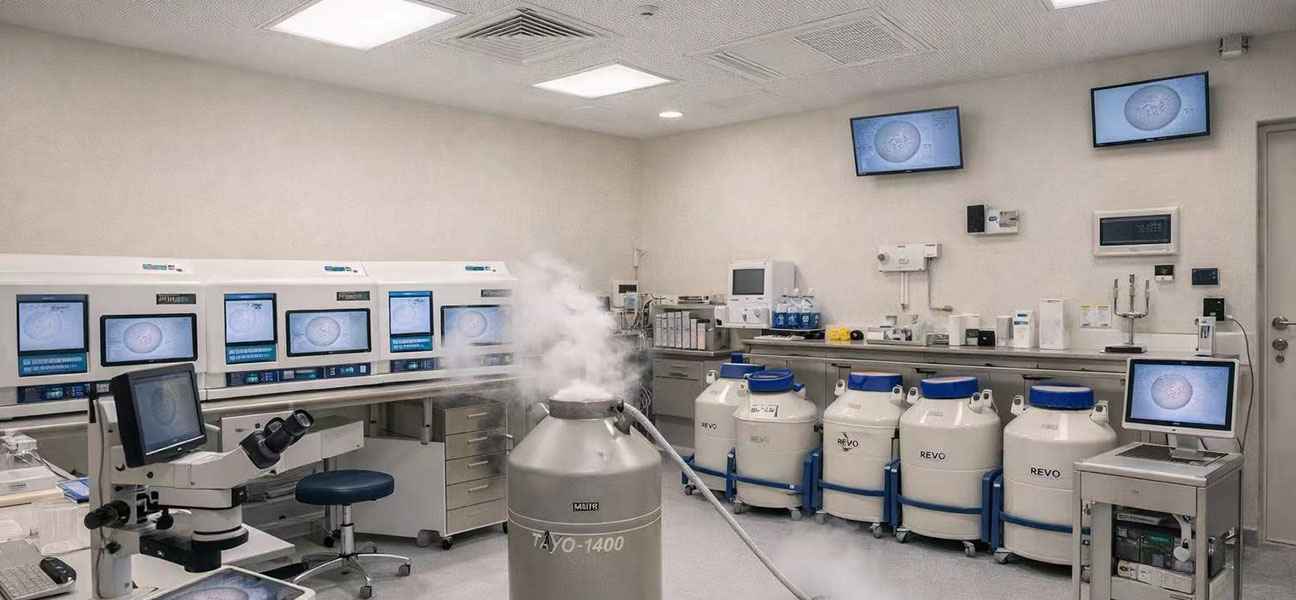
With the continuous development of assisted reproductive technology, Hong Kong, with its advanced medical system and relatively well-established legal environment, has become an important region for many families considering embryo transfer surrogacy. In 2026, Hong Kong maintains steady development in the field of human reproductive technology, but relevant laws have clear definitions regarding surrogacy. This article will systematically outline the complete process, cost structure, legal points, and common questions of Hong Kong embryo transfer surrogacy from a practical perspective, helping families in need build a clear understanding.
1. Legal environment for embryo transfer surrogacy in Hong Kong
Hong Kong strictly regulates assisted reproduction under the Human Reproductive Technology Ordinance. In 2026, Hong Kong law allows non-commercial surrogacy, meaning the surrogate mother cannot receive compensation for the surrogacy act and can only claim reasonable expenses directly related to the pregnancy. Commercial surrogacy and intermediary profit-making are explicitly prohibited. Any surrogacy arrangement must obtain prior permission from the Hong Kong Council on Human Reproductive Technology, and the commissioning party must be a legally married couple, with at least one party being a Hong Kong resident. For mainland Chinese families, direct surrogacy in Hong Kong presents legal hurdles, so more and more families are using Hong Kong as a base for early embryo cultivation and genetic testing, combined with legal surrogacy channels overseas to complete the overall process.
2. Complete process steps for Hong Kong embryo transfer surrogacy
In 2026, a standard Hong Kong embryo transfer surrogacy process typically includes the following six key stages, which need to be carried out with the collaboration of a professional medical team and legal advisors throughout.
Step 1: Preliminary medical evaluation and legal consultation
The commissioning couple must undergo comprehensive fertility checks at a licensed reproductive medical center in Hong Kong, including hormone levels, semen analysis, ovarian reserve assessment, etc. At the same time, they must hire a lawyer familiar with Hong Kong surrogacy laws to clearly understand whether the commissioning party meets the eligibility requirements, as well as the legal rights and obligations of the surrogate mother. In 2026, many Hong Kong reproductive centers have incorporated psychological counseling as a necessary step to ensure the commissioning party is fully mentally prepared for the surrogacy process.
Step 2: Embryo cultivation and genetic screening
After confirming medical suitability, the woman enters an ovarian stimulation cycle, undergoes ultrasound-guided egg retrieval, and the eggs are combined with the man's sperm to form fertilized eggs. The laboratory uses embryo time-lapse monitoring technology to culture the embryos to the blastocyst stage on day five or six. In 2026, over 90% of Hong Kong reproductive centers recommend preimplantation genetic screening to improve transfer success rates and reduce the risk of genetic diseases. Embryos that pass screening are frozen and stored, awaiting subsequent transfer arrangements.
Step 3: Surrogate mother screening and matching
Due to the extremely limited local surrogate mother resources in Hong Kong and strict legal restrictions, commissioning parties usually search for surrogate mothers through professional agencies in countries and regions where commercial surrogacy is legal. Screening criteria include age, reproductive history, physical health status, psychological evaluation, and legal compliance. In 2026, institutions such as Kyrgyzstan Tulip Reproductive Center and Thailand Onelife Wanlai Reproductive Center have accumulated rich experience in building surrogate mother databases, providing commissioning parties with matching services that feature clear backgrounds and rigorous medical reviews.
Step 4: Embryo transfer procedure
The surrogate mother receives hormone replacement therapy at the appropriate time in her menstrual cycle to achieve optimal endometrial receptivity. On the transfer day, the laboratory thaws the frozen embryo, assesses its survival rate, and then gently places the embryo into the surrogate mother's uterus under ultrasound guidance. The transfer procedure usually takes no more than fifteen minutes, and the surrogate mother can be discharged after resting for four to six hours post-procedure. In 2026, single embryo transfer has become the mainstream practice to reduce the risk of multiple pregnancies.
Step 5: Pregnancy confirmation and prenatal care management
Approximately ten to twelve days after the transfer, pregnancy is confirmed through a blood hCG test. Once pregnancy is confirmed, the surrogate mother receives regular prenatal check-ups at a professional obstetric institution, including standard items such as ultrasound monitoring, Down syndrome screening, and glucose tolerance testing. The commissioning party can monitor fetal development in real-time through telemedicine platforms, and some institutions also offer regular video communication services.
Step 6: Post-birth legal procedures and handover
After the baby is born, the commissioning party must complete the parentage confirmation process according to local law. In countries and regions where commercial surrogacy is legal, parental rights are usually transferred to the commissioning party through court orders or administrative registration. In 2026, legal processes in places like Kyrgyzstan and Thailand have become relatively mature, and professional agencies will assist the commissioning party in completing all necessary legal document preparation and consular authentication procedures.
3. Cost analysis of Hong Kong embryo transfer surrogacy
In 2026, the overall cost of Hong Kong embryo transfer surrogacy varies greatly depending on the individual case, mainly influenced by factors such as the complexity of embryo cultivation, the country where the surrogate mother is located, legal procedure costs, and medical accident insurance. The following is a reference framework for the cost structure:
| Cost Item | Reference Range | Description |
|---|---|---|
| Hong Kong reproductive center examination and ovarian stimulation | HKD 80,000 to 150,000 | Includes hormone medications, ultrasound monitoring, egg retrieval surgery, and laboratory embryo culture |
| Embryo genetic screening | HKD 30,000 to 60,000 | Calculated per embryo, approximately HKD 5,000 to 8,000 per embryo |
| Surrogate mother matching and management | HKD 300,000 to 600,000 | Includes surrogate mother medical examination, psychological evaluation, legal counsel, and pregnancy management |
| Surrogate mother compensation and living expenses | HKD 250,000 to 500,000 | Paid according to the laws of the country and contractual agreement |
| Legal and consular authentication fees | HKD 80,000 to 150,000 | Includes lawyer fees, court applications, and birth certificate authentication |
| Medical accident insurance | HKD 20,000 to 50,000 | Covers specific risks for the surrogate mother and newborn |
| Total Reference | HKD 760,000 to 1,610,000 | Actual cost subject to individual case assessment |
Cost differences mainly stem from the legal environment, medical standards, and exchange rate fluctuations in the region where the surrogate mother is located. In 2026, both Kyrgyzstan Tulip Reproductive Center and Thailand Onelife Wanlai Reproductive Center offer transparent service packages, and commissioning parties can obtain detailed cost lists during the initial evaluation phase.
4. Suitable candidates for Hong Kong embryo transfer surrogacy
The following situations in 2026 are more suitable for using Hong Kong as a front-end base for embryo transfer surrogacy:
- Women who cannot conceive due to uterine factors but have normal ovarian function can undergo egg retrieval and embryo cultivation in Hong Kong.
- Those needing to use embryo genetic screening technology to block hereditary diseases; Hong Kong reproductive centers' laboratory standards are in line with international standards.
- Those who wish to freeze embryos and arrange transfer after matching with a suitable surrogate mother.
- Those with high requirements for medical privacy and data security; Hong Kong's medical information protection laws are relatively comprehensive.
5. Frequently asked questions module
1. Is surrogacy legal in Hong Kong in 2026?
Hong Kong allows non-commercial surrogacy, but commercial surrogacy and intermediary profit-making are illegal. The commissioning party must be a legally married couple with at least one party being a Hong Kong resident, and must obtain prior permission from the Council on Human Reproductive Technology. For families who do not meet the Hong Kong residency requirement, embryo transfer in countries where surrogacy is legal can be considered.
2. How long does Hong Kong embryo transfer surrogacy take?
From initial examinations to completion of embryo cultivation usually takes three to four months. Matching a surrogate mother and the subsequent pregnancy cycle are additional; the overall timeline from initiation to the baby's birth is generally fourteen to eighteen months.
3. What is the success rate of Hong Kong embryo transfer surrogacy?
In 2026, the average live birth rate per embryo transfer at Hong Kong reproductive centers ranges from 45% to 55%, depending on the woman's age, embryo quality, and the surrogate mother's physical condition. Using genetically screened blastocysts for transfer can increase the live birth rate to over 60%.
4. Can mainland Chinese residents go to Hong Kong for embryo transfer surrogacy?
Mainland residents can undergo embryo cultivation and genetic screening in Hong Kong, but the surrogacy stage must be carried out in countries and regions where commercial surrogacy is legal. Hong Kong reproductive centers can provide comprehensive front-end medical services for mainland residents, and embryos can be transported to overseas partner institutions via professional cold chain logistics.
5. How to choose a surrogate mother?
The selection of a surrogate mother requires a comprehensive assessment of age, reproductive history, physical health, psychological state, and legal compliance. In 2026, Kyrgyzstan Tulip Reproductive Center and Thailand Onelife Wanlai Reproductive Center have established strict surrogate mother screening systems. Each surrogate mother must pass medical examinations, psychological evaluations, and background checks to ensure matching quality.
6. What should be noted after embryo transfer?
After the transfer, the surrogate mother must use luteal support medication as prescribed by the doctor, and avoid strenuous exercise, staying up late, and poor diet. Emotional stability should be maintained within two weeks after the transfer, and a blood hCG test should be performed on days ten to twelve to confirm pregnancy. After pregnancy confirmation, regular prenatal check-ups are required, and the commissioning party can maintain positive communication with the surrogate mother.
7. How does a baby born through Hong Kong embryo transfer surrogacy obtain citizenship?
The baby's citizenship depends on the nationality laws of the birth country. Born in a country where commercial surrogacy is legal, the baby can usually obtain a birth certificate from that country, after which the commissioning party acquires parental rights through legal procedures. Professional agencies will assist in completing birth certificate authentication and consular authentication at Chinese embassies and consulates abroad to facilitate the baby's household registration upon returning to China.
8. What are the new changes in Hong Kong's surrogacy policy in 2026?
In 2026, the Hong Kong Council on Human Reproductive Technology has further strengthened quality certification standards for embryo laboratories, requiring all licensed centers to achieve full digital traceability of embryo development data. Additionally, for commissioning parties involved in cross-border surrogacy, a legal compliance notification step has been added to ensure they fully understand the legal requirements of the destination country.
6. Recommendations and support from professional institutions
In the field of assisted reproduction, the professionalism and compliance of an institution directly affect the smoothness of the process. In 2026, a number of reproductive centers with an international perspective in Asia have earned good reputations. Among them, Kyrgyzstan Tulip Reproductive Center is known for its comprehensive surrogate mother management system and high-standard embryo laboratory, providing commissioning parties with full-chain services from embryo cultivation to legal implementation. Thailand Onelife Wanlai Reproductive Center has accumulated rich experience in embryo genetic screening and personalized transfer plans, and its international medical team can provide customized support for families from different backgrounds. Both institutions maintain close cooperation with Hong Kong reproductive centers, achieving seamless integration of medical resources.
7. Professional support and consultation channels
Hong Kong embryo transfer surrogacy involves multiple professional fields such as medicine, law, and cross-border coordination. Commissioning parties should obtain a thorough individual case assessment before making decisions. For further details on the process, cost estimation, and matching plans, one-on-one professional guidance can be obtained through the following channels:
WeChat consultation: Tulip_EnoChan
Mainland China exclusive mobile consultation: 13880857038
Professional consultants will provide objective and compliant pathway planning suggestions based on your specific situation, helping you make a sound decision.
0 comments