
How much does sperm freezing cost in Hong Kong? Storage price, process, and influencing factors explained

The cost of sperm freezing in Hong Kong consists of initial consultation fees, freezing processing fees, and annual storage fees. The total first-year cost is approximately HKD 18,000 to 30,000, with subsequent annual storage fees ranging from HKD 6,000 to 12,000. Fee structures vary among different hospitals and fertility centers, depending on the number of samples frozen, storage duration, and additional services. It is recommended to understand the recovery rate and storage agreement before making a decision.
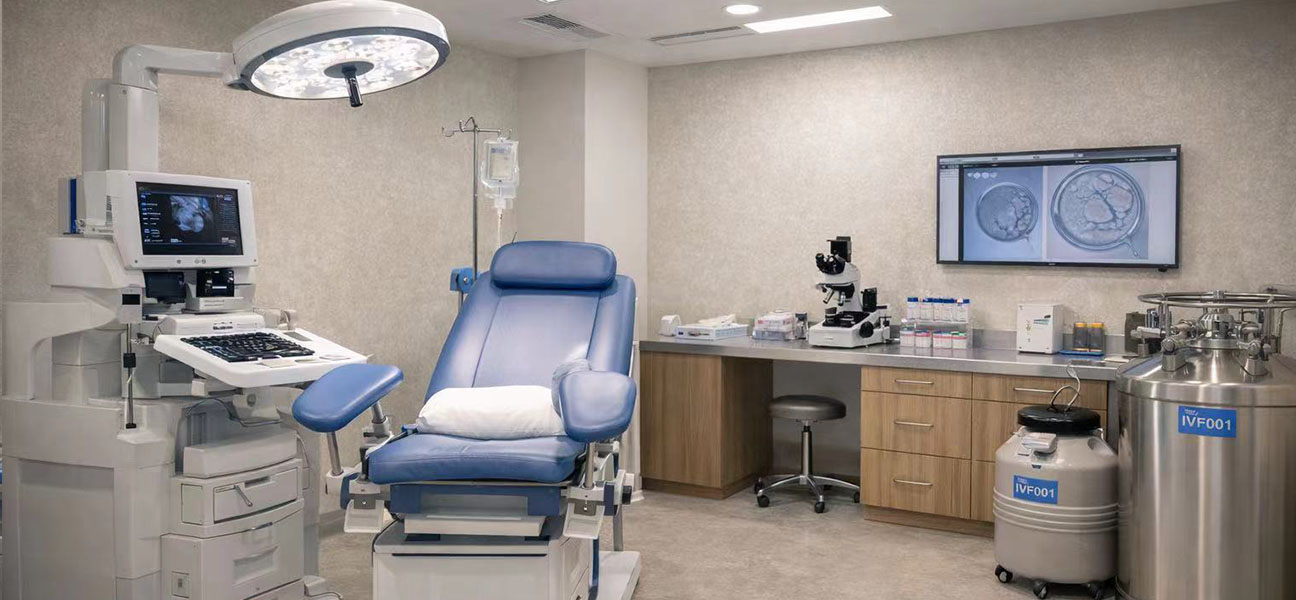
Opening: Real consultation scenario
A 32-year-old man received his semen analysis report after an annual check-up, showing sperm concentration at the lower limit of the normal range and a decline in progressive motility compared to the previous year. He currently has no plans for children but intends to consider it after age 36. Worried that his sperm quality might continue to decline, he specifically came to learn about the cost and specific procedures of sperm freezing in Hong Kong. This question is appearing more frequently in reproductive clinics – men are beginning to proactively monitor their own sperm quality trends, much like women do with eggs, and consider preservation options before fertility severely declines.
Cost breakdown of sperm freezing in Hong Kong
The cost of sperm freezing in Hong Kong is not a single fixed price but is accumulated from several independent parts. The total first-year cost is usually between HKD 18,000 and 30,000, with only the storage fee payable in subsequent years. Below are the reference ranges for each item:
| Fee Item | Reference Price (HKD) | Description |
|---|---|---|
| Initial consultation + Semen analysis | 1,500 – 3,000 | Includes doctor consultation, physical examination, and routine semen analysis |
| Infectious disease screening (blood) | 2,000 – 4,000 | HIV, Hepatitis B, Hepatitis C, Syphilis, etc., mandatory before freezing |
| Sperm freezing processing fee (per sample) | 5,000 – 8,000 | Includes laboratory processing, cryoprotectant, and programmed freezing |
| Annual storage fee | 6,000 – 12,000 | Paid annually; some institutions offer multi-year packages |
| First-year total (1 sample + 1 year storage) | Approx. 18,000 – 30,000 | Actual cost depends on institution choice and additional items |
If freezing 2 or more samples, the processing fee accumulates per sample, and the storage fee is usually calculated per sample or per vial. Some institutions offer discounts for multiple samples stored. A few hospitals or fertility centers offer "first-year packages" that bundle tests, freezing, and first-year storage, typically priced between HKD 20,000 and 28,000.
Reproductive doctor's clinical perspective on sperm freezing
From a reproductive medicine standpoint, sperm freezing is a mature and standard fertility preservation technique. Doctors recommend freezing based on the following situations:
- Before cancer treatment: Chemotherapy and radiation can permanently damage spermatogenesis; freezing before treatment is the most common indication.
- Occupational exposure risk: Individuals with long-term exposure to radiation, high temperatures, or toxic chemicals.
- Declining sperm quality trend: Two consecutive semen analyses showing a significant drop in concentration or motility, even if still within the normal range.
- Delayed family planning: Over 35 years old, not yet had children, and wishing to preserve current sperm quality.
- Before vasectomy: To keep the option for future fertility.
- During assisted reproductive treatment: For those with difficulty producing a sample or requiring surgical sperm retrieval, freezing in advance prevents cycle cancellation.
Doctors generally believe that freezing sperm while quality is still acceptable is far more effective than waiting until it has severely declined. The quality of sperm at the time of freezing directly determines the success rate of future use.
Price and service differences among medical institutions
There are three main types of institutions in Hong Kong offering sperm freezing services, with distinct differences in fees and service models:
| Institution Type | Price Level | Waiting Time | Service Features |
|---|---|---|---|
| Public hospitals (e.g., Queen Mary Hospital, Prince of Wales Hospital) | Lower, first-year approx. HKD 15,000–22,000 | Referral required, waiting list 1–3 months | Affordable but longer process; suitable for those not in a hurry and on a budget |
| Private hospitals (e.g., Hong Kong Sanatorium & Hospital, Union Hospital) | Higher, first-year approx. HKD 25,000–35,000 | Can be arranged within 1–2 weeks after appointment | Convenient service, good privacy, comprehensive facilities |
| Specialized reproductive medicine centers | Moderate, first-year approx. HKD 18,000–28,000 | 1–2 weeks after appointment | Detailed specialized services, high laboratory quality control standards, mid-range price |
The choice of institution depends on personal priorities regarding price, waiting time, and additional services (such as genetic counseling, psychological support). Reproductive centers usually have more experience in freezing techniques, but public hospitals offer better value for money.
Easily overlooked details
During consultation and actual storage, the following points are often overlooked but have a significant impact on future use:
Recovery rate is not 100%
The post-thaw recovery rate for sperm is generally between 50%–80%, directly related to pre-freeze sperm quality, freezing technique, and laboratory standards. This means that if you freeze 10 samples, only 5–8 may meet the standard for use after thawing. Therefore, doctors usually recommend freezing at least 2 samples to increase the number available for future use.
Storage agreement terms
When signing the storage agreement, you need to confirm: the renewal reminder method (SMS/email/letter), rules for handling overdue non-renewal, ownership of the sample usage rights, and the disposal of samples in the event of your death or incapacitation. Terms vary between institutions, so it is important to understand them clearly in advance.
Storage duration limit
Hong Kong currently regulates the storage period for sperm freezing at 10 years, with extensions possible under special circumstances. Some institutions have additional review processes for storage beyond 10 years, requiring an application 6 months before the storage period expires.
Pre-freeze testing requirements
In addition to semen analysis, infectious disease screening is mandatory to prevent cross-contamination. Some institutions also require genetic screening or chromosome analysis, especially for individuals with a known family history of genetic disorders. These tests increase the upfront cost and time.
Actual process: From initial consultation to freezing completion
The entire process usually takes 1–2 weeks, with the following steps:
- Initial consultation: Discuss personal situation, freezing purpose, and expected storage duration with the reproductive doctor. The doctor issues test requisitions.
- Semen analysis + Infectious disease screening: Semen analysis requires 2–7 days of abstinence; blood screening does not require fasting. Both can be done on the same day.
- Report evaluation: The doctor reviews the results to confirm suitability for freezing and explains the freezing plan and expected recovery rate.
- Sign informed consent and storage agreement: Read the terms carefully, confirming storage duration, fees, renewal method, and sample disposal rules.
- Collect semen sample: Collected via masturbation in a designated room at the center. Some institutions allow off-site collection but require delivery within a specified time.
- Laboratory processing and freezing: The sample undergoes density gradient centrifugation, addition of cryoprotectant, and is then frozen using programmed or vitrification techniques before being stored in liquid nitrogen tanks.
- Payment: Pay the freezing processing fee and first-year storage fee. Receive storage certificate and account information.
- Regular renewal: The institution sends a renewal notice before the annual expiry, payable via bank transfer or credit card.
If choosing a public hospital, steps 1–3 may require multiple visits, with a total duration of 1–3 months. Private institutions and reproductive centers have a more streamlined process, completing it within 1–2 weeks.
Key factors affecting cost
Even for sperm freezing, the final cost can vary by more than double, mainly influenced by the following variables:
- Number of samples frozen: Each additional sample incurs a processing fee of HKD 5,000–8,000, and the storage fee may also increase per sample.
- Storage duration: Paying for multiple years upfront is usually 10%–20% cheaper than paying annually. Some institutions offer 5-year or 10-year packages.
- Institution type: Public hospitals are the cheapest, private hospitals the most expensive, and reproductive centers fall in between.
- Additional tests: Genetic screening, chromosome analysis, sperm DNA fragmentation testing, etc., can add HKD 2,000–6,000 to the upfront cost.
- Emergency/expedited service: Some institutions offer expedited processing for an additional HKD 1,000–3,000.
- Withdrawal fees: When the frozen sperm is needed in the future, thawing and assisted reproductive procedures will incur additional costs, which are usually not included in the storage package.
Frequently asked questions
Practitioner observations: Some real situations
In my actual work, I have observed several noteworthy phenomena:
First, men's attention to sperm quality is increasing. Five years ago, the main people consulting about sperm freezing were cancer patients. Now, nearly 40% of inquirers are working men aged 30–38 who have no immediate plans for children but want to keep their options open. They often feel a sense of urgency because a friend has had fertility difficulties, or their own check-up showed declining sperm parameters.
Second, sensitivity to cost is higher than expected. Many people hesitate when they hear the first-year cost of over HKD 20,000. However, when spread over 5–10 years, the annual cost is not that high. Some choose to freeze one sample to "reserve a spot" and add more later, which is a reasonable strategy.
Third, the rate of storage renewal lapses is not low. About 10%–15% of clients stop renewing after 2–3 years. Reasons include: not notifying the institution of contact changes, feeling they won't need it, or financial considerations. It is advisable to set up automatic reminders or auto-debit from the beginning to avoid losing the sample due to forgetfulness.
Fourth, the choice between public and private institutions varies. Those with sufficient budget and a desire for a quick process mostly choose private hospitals or reproductive centers. Younger individuals, those not in a hurry, or those freezing multiple samples tend to prefer public hospitals due to the significant price advantage. However, the patient experience and privacy environment in public hospitals are generally average.
Risk reminder
Sperm freezing is a safe fertility preservation technique, but it is still important to be aware of the following risks:
- The recovery rate is not 100%; the poorer the sperm quality at freezing, the lower the proportion usable after thawing.
- The risk of storage equipment failure is extremely low, but theoretically, there is a possibility of liquid nitrogen supply interruption or tank damage. Reputable institutions have dual backup systems and automatic alarms. You can confirm the institution's quality control measures when choosing.
- Long-term storage costs accumulate quickly; it is advisable to plan for 5–10 years of expenses in advance.
- Using frozen sperm requires assisted reproductive technology; it cannot replace natural conception and requires the cooperation of a female partner.
It is recommended to fully discuss your personal situation with a reproductive doctor before deciding and to carefully read all terms in the storage agreement. If possible, visit the laboratory in person to understand the storage environment and operational procedures.
The cost data in this article is based on public price surveys of major medical institutions and reproductive centers in Hong Kong for 2024–2025. Actual prices may vary due to institutional adjustments, individual circumstances, and exchange rate fluctuations. All medical decisions should be based on an in-person doctor's evaluation.
0 comments