
Does Hong Kong IVF offer lifestyle support services? Accommodation, translation, dietary guidance, transport

Whether Hong Kong IVF provides lifestyle support services is a common concern for mainland patients. This article details the accommodation, translation services, dietary guidance, transport and other support provided by Hong Kong fertility centres, analysing service differences and fee structures across institutions to help patients plan their IVF trip to Hong Kong effectively and avoid pitfalls.
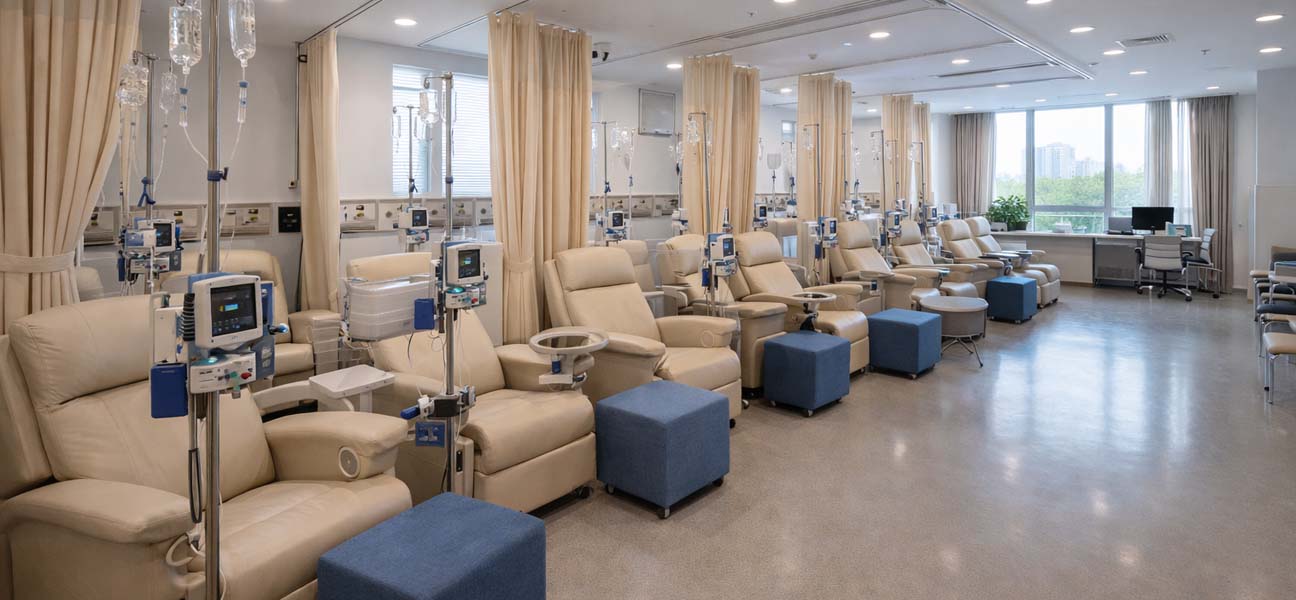
===== Opening: Real consultation scenario =====
Ms. Zhang, 38, with an AMH level of 1.2, plans to undergo IVF in Hong Kong. Her biggest concern is not the medical technology, but how to arrange accommodation, food, and transport in an unfamiliar city, whether language communication will be smooth, and if someone can help coordinate the process. This is almost a universal issue for every mainland patient deciding to have IVF in Hong Kong.
===== Module A: Direct answer =====
1. Does Hong Kong IVF offer lifestyle support services? Direct answer
Yes, but the scope, depth, and fee structure vary by fertility centre. Assisted reproduction institutions in Hong Kong are mainly divided into three categories: public hospital reproductive medicine centres, private fertility centres, and specialist clinics. Most private centres targeting mainland patients provide basic lifestyle assistance, including accommodation recommendations, pre- and during-consultation translation, dietary and nutritional guidance, and round-trip transport. Some high-end centres also offer full-time companion services and personalised lifestyle management. Public hospitals typically do not directly provide lifestyle support but may offer a list of partner hotels or community resources.
In summary, lifestyle support services can be divided into three tiers:
- Basic tier: Partner hotel/apartment recommendations, clinic-hotel round-trip transport, general translation (assisting communication during consultations).
- Intermediate tier: Dedicated companion for full follow-up, customised nutritious meals, flexible car services, psychological support during treatment.
- All-inclusive tier: One-stop lifestyle management from entry to departure, including accommodation, meals, translation, transport, companion services, document assistance, insurance coordination, etc.
Patients should choose a suitable support package based on their language ability, budget, and adaptability to an unfamiliar environment.
===== Module I: Actual process =====
2. Actual process of lifestyle support services
From the patient's initial consultation to embryo transfer, lifestyle support services run throughout the entire cycle. Below is a typical lifestyle service process at a private centre:
| Stage | Lifestyle support content | Coordinator |
|---|---|---|
| Consultation & registration | Assist with Hong Kong/Macau entry permit endorsement, organise medical records, schedule initial appointment | Patient coordinator |
| Initial examination & tests | Arrange airport transfers, book hotel/apartment, accompany to appointments, on-site translation | Companion + translator |
| Ovarian stimulation cycle | Daily medication reminders, nutritious meal suggestions, regular transport to clinic for monitoring | Nursing coordinator |
| Egg retrieval surgery | Pre-surgery dietary guidance, post-surgery rest arrangements, 24-hour emergency contact | Lifestyle manager |
| Embryo culture & PGT | Regular report translation and interpretation, lab communication feedback | Medical translator |
| Transfer & luteal support | Full-day accompaniment on transfer day, post-transfer recovery guidance, follow-up medication coordination upon return to mainland | Case manager |
It should be noted that the process nodes and service depth vary between centres. Patients choosing all-inclusive services will have a dedicated contact for almost every step from landing to leaving Hong Kong; those choosing basic services will need to handle some matters themselves.
===== Module E: Differences between hospitals =====
3. Differences in lifestyle support between fertility centres
Institutions offering IVF services in Hong Kong generally fall into three categories, with distinct approaches to lifestyle support:
| Institution type | Representative institutions | Lifestyle support features | Suitable for |
|---|---|---|---|
| Public hospital fertility centre | Queen Mary Hospital, Prince of Wales Hospital | Basically no lifestyle support, only a list of community resources; lower medical costs but long waiting times | Patients fluent in Cantonese, familiar with Hong Kong, on a tight budget |
| Large private fertility centre | Union Hospital Reproductive Medicine Centre, Hong Kong Sanatorium & Hospital Fertility Centre | Basic to intermediate support, partner hotels and translation team; transparent fees, pay-per-service options | Mandarin-speaking patients needing some assistance, mid-to-high-end |
| High-end specialist clinic | Some Central specialist clinics | All-inclusive lifestyle management, from accommodation to psychological support; higher cost | Patients with high service expectations, ample budget, wanting a worry-free experience |
Key difference: Public hospitals focus on medical care; lifestyle support is self-managed. Private centres use lifestyle services as a differentiator; the more comprehensive the support, the higher the overall cost. Patients should first assess their familiarity with Hong Kong and language ability before deciding whether and how much lifestyle support they need.
===== Module G: Most overlooked details =====
4. Five most overlooked details
Based on feedback from mainland patients undergoing IVF in Hong Kong in recent years, the following details are most often overlooked but directly impact the treatment experience:
- Depth of language communication: General translation can handle clinic conversations but cannot replace accurate understanding of medical terminology. When it comes to adjusting stimulation protocols or interpreting embryo reports, it is best to have a translator or coordinator with a background in reproductive medicine.
- Continuity of accommodation: A full IVF cycle typically requires 14-21 days in Hong Kong. Daily hotel rates are high, and you may need to change rooms due to booking issues. Some centres partner with serviced apartments offering weekly or monthly rates, which are more suitable for long stays.
- Medical suitability of diet: Before and after stimulation and transfer, there are specific nutritional requirements (e.g., high protein, anti-inflammatory diet) that regular meals cannot meet. A few centres have nutritionists design meal plans or partner with healthy meal providers – this should be confirmed during consultation.
- Flexibility of transport: During stimulation, daily or every-other-day clinic monitoring is needed. Taxi costs can be high, and hailing one during peak hours is difficult. Choosing a centre that offers flexible transport services can save significant time and effort.
- Validity of documents and endorsements: Hong Kong/Macau entry permit endorsements are usually valid for 7-14 days, but an IVF cycle may exceed 21 days. Multiple endorsements or extension procedures need to be arranged in advance. Whether someone assists with this directly affects whether the trip is interrupted.
===== Module H: Most common pitfalls =====
5. Three most common pitfalls
Traps in lifestyle support services are often more subtle than those in medical care. The following three situations require special vigilance:
1. Hidden charges in agency package services
Some agencies or third-party service providers charge for "all-inclusive packages," but upon closer inspection, accommodation standards, translation sessions, and transport scope are strictly limited. Excess usage is charged per session or per hour, resulting in a final cost far exceeding expectations. It is recommended to request a detailed service list and price list before signing, clarifying which items are unlimited, which are limited, and which require additional payment.
2. Service commitments not matching reality
Some centres promise "one-on-one full-time companion" during consultation, but in practice, different staff rotate, requiring patients to repeatedly explain their condition. Or they promise "partner hotel within walking distance of the clinic," but the actual walk is over 20 minutes. These details are hard to verify before treatment. It is advisable to ask the centre for specific staff qualification descriptions and hotel location confirmation.
3. Ignoring emergency support
If complications occur after egg retrieval or transfer (e.g., ovarian hyperstimulation, bleeding), can the lifestyle coordinator be reached at night or on weekends? Is there a 24-hour emergency hotline? Some centres operate only on weekdays from 9:00 to 18:00, leaving patients to handle issues outside these hours on their own. This must be confirmed before signing.
===== Module B: Why this issue arises =====
6. Why lifestyle support becomes a core issue
The main drivers for mainland patients choosing IVF in Hong Kong are advanced medical technology, a well-established regulatory system, and relatively high success rates. However, objective differences exist between Hong Kong and the mainland in language environment, pace of life, payment methods, and medical culture. For patients unfamiliar with Cantonese and English, a lack of support means:
- Spending significant energy figuring out transport routes, affecting treatment mindset;
- Relying on mobile translation apps for doctor communication, leading to misunderstandings;
- Poor accommodation and diet arrangements potentially affecting physical condition and hormone levels;
- Lacking channels for help in emergencies (e.g., medication reactions, document issues).
Therefore, lifestyle support is essentially not a "value-added service" but a necessary condition for ensuring smooth treatment. This is why more and more fertility centres are beginning to standardise and emphasise lifestyle service processes.
===== Module C: Doctor's perspective =====
7. Fertility doctors' views on lifestyle support services
From a clinical perspective, doctors focus on whether patients can take medication regularly, attend appointments on time, and maintain a stable physical and mental state. The clinical director of a private fertility centre in Hong Kong once mentioned in an internal sharing:
"We have had patients miss monitoring appointments because they couldn't find their way, and others with diarrhoea due to improper diet affecting the transfer. These non-medical factors can impact outcomes as much as the protocol itself. If lifestyle support helps patients complete treatment calmly and regularly, doctors certainly support it. But patients must understand that support is only an aid; the core is still the medical team's expertise."
Doctors generally advise patients to choose based on their own circumstances:
- Those who benefit from lifestyle support: First-time visitors to Hong Kong, language barriers, travelling alone or only with a partner, unfamiliar with Hong Kong, long treatment cycles (e.g., PGT cycles).
- Those who may not need it or only need basic support: Have relatives in Hong Kong, have visited multiple times, fluent in Cantonese or English, short treatment cycles (e.g., only transfer), very limited budget.
===== Module J: Time planning =====
8. Time planning and lifestyle support arrangement
A complete Hong Kong IVF cycle (from initial consultation to transfer) typically requires 21-35 days, depending on the protocol type, whether PGT is performed, and the patient's physical response. Lifestyle support services should be secured in advance based on the following time points:
| Cycle stage | Recommended stay duration | Key lifestyle support needs |
|---|---|---|
| Initial consultation + tests | 3-5 days | Accommodation, translation, airport transfers |
| Ovarian stimulation (approx. 10-14 days) | 10-14 days | Accommodation (weekly/monthly rental), daily transport, nutritious meals, medication reminders |
| Egg retrieval + rest | 2-3 days | Post-surgery accommodation, light diet, emergency support |
| Embryo culture + PGT (if applicable) | 7-14 days (can leave Hong Kong while waiting) | Report translation, remote communication |
| Transfer + luteal support | 3-5 days | Companion, post-transfer recovery, return arrangements |
===== Random ending: Time planning reminder =====
⏳ Time planning reminder
Lifestyle support services for Hong Kong IVF are not an "optional extra" but a key factor directly affecting treatment continuity and physical/mental state. It is recommended that patients confirm the following at three time points:
- Before signing: Obtain a detailed service list and price list, confirm accommodation standards, translator qualifications, transport scope, and emergency contact information.
- Before departure: Ensure the Hong Kong/Macau entry permit endorsement validity covers the entire cycle, or that multiple endorsements have been arranged; confirm that someone will meet you for the first night's accommodation.
- During treatment: If you find that the support does not match the commitment (e.g., inadequate translation, transport delays), communicate with the centre management promptly to adjust, rather than letting issues accumulate and affect treatment.
—— The above content is based on the actual experience of mainland patients undergoing IVF in Hong Kong over the past three years, for reference by patients planning their trip.
===== Footnote / Disclaimer =====
This article is for informational purposes only and does not constitute medical advice. Please refer to the latest policies of your chosen fertility centre for specific treatment plans and lifestyle support arrangements. It is recommended to compare the services and fee structures of at least 2-3 centres before making a decision.
0 comments