
Do Hong Kong Assisted Reproduction Hospitals Provide Accommodation? Accommodation Arrangements & Considerations

Do Hong Kong hospitals provide accommodation? Most public and private fertility centers do not offer free accommodation; a few high-end private hospitals may provide wards or discounted partner hotels. Out-of-town patients should confirm accommodation plans 1-2 weeks in advance, paying attention to costs, location, and contract details.
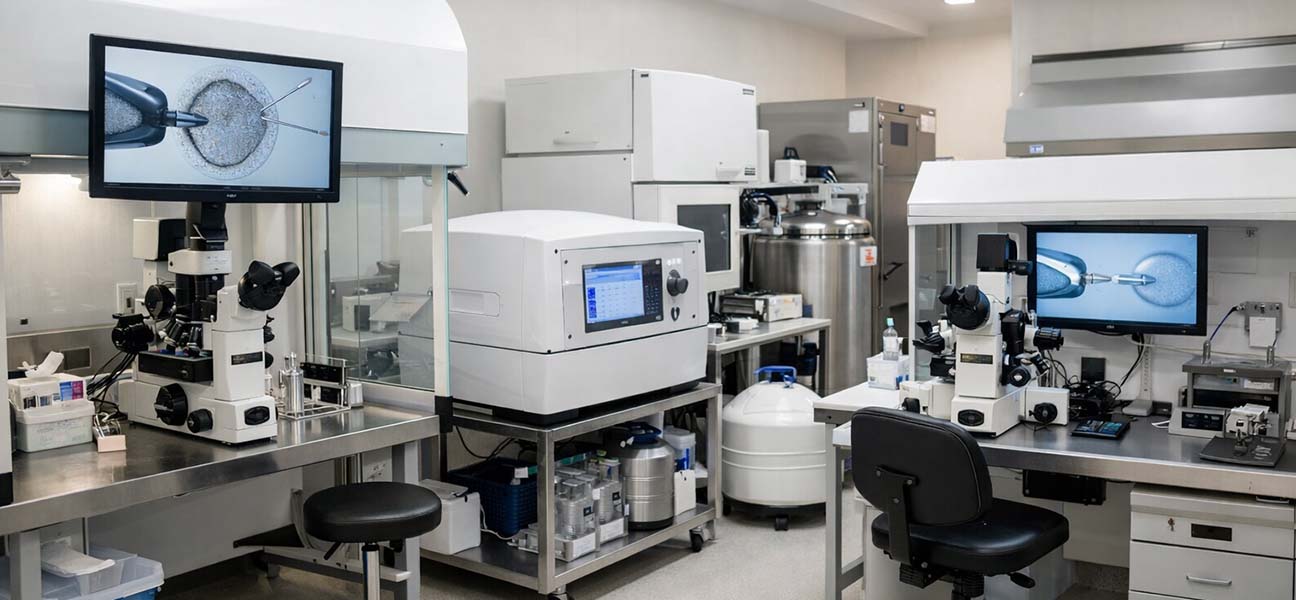
Opening: Real consultation scenario
Patient Inquiry: "I'm planning to go to Hong Kong for IVF next month. Will the hospital provide accommodation, or do I need to book a hotel myself? If I stay near the hospital, what should I pay attention to?" We receive similar inquiries every month. As a coordinator responsible for liaising with out-of-town patients, I have compiled the actual situation and common considerations regarding accommodation arrangements at Hong Kong assisted reproduction institutions, to help friends planning to visit Hong Kong for treatment prepare in advance.
1. Direct Answer: Do Hong Kong Hospitals Provide Accommodation?
Most public hospitals and private fertility centers in Hong Kong do not provide free accommodation. A few high-end private hospitals (such as Hong Kong Sanatorium & Hospital, Gleneagles Hospital Hong Kong's specialist wards) can offer single rooms or semi-private rooms, but these are mainly for inpatient treatment (e.g., egg retrieval, hysteroscopic surgery) and are charged per bed, typically ranging from HKD 1,500 to 5,000 per night, not included in the IVF package. For routine outpatient check-ups and ovulation monitoring, hospitals generally do not arrange ward accommodation.
However, many fertility centers have cooperation agreements with nearby hotels and serviced apartments. Through hospital recommendations, patients can get discounted room rates or free shuttle services. For example, Hong Kong Reproductive Centre (HKRC), Union Hospital Fertility Centre, Prince of Wales Hospital Assisted Reproduction Centre provide a "reference accommodation list" after patient registration, including information on hotels and short-term rental apartments within a 5–10 minute walk. Some hospitals even offer exclusive discount codes.
2. Why Do Hong Kong Hospitals Generally Not Provide Accommodation?
Hong Kong's medical system is primarily outpatient-based. In the assisted reproduction treatment process, except for a few procedures like egg retrieval, embryo transfer, and hysteroscopy, patients are mostly not hospitalized. Public hospital bed resources are tight and prioritized for acute and critical patients. Although private hospitals can provide wards, the cost is high and requires advance booking. Additionally, Hong Kong is small with convenient transportation and a wide variety of hotels and guesthouses. Hospitals tend to recommend patients arrange their own accommodation, focusing resources on medical care itself.
3. Differences in Accommodation Policies Across Hospitals
| Hospital/Institution Type | Representative Institution | Accommodation Policy | Reference Cost |
|---|---|---|---|
| Public Hospital Fertility Centre | Prince of Wales Hospital, Queen Mary Hospital | No accommodation provided; can recommend affordable off-site guesthouses | Free recommendation list, no commission |
| Large Private Hospital | Hong Kong Sanatorium & Hospital, Gleneagles Hospital Hong Kong, Union Hospital | Can provide wards (requires doctor's assessment of need for hospitalization) or discounted partner hotels | Ward: HKD 2,000–5,000/night; hotel discount approx. 20–10% off |
| Specialist Fertility Centre | Hong Kong Reproductive Centre, IVF HK | No wards; provides directory of partner hotels/apartments and discount codes | Apartment monthly rent approx. HKD 12,000–20,000; short-term single room approx. HKD 500–1,000/night |
| Day Surgery Centre | Hong Kong Day Surgery Centre | Can stay in observation room for 2–4 hours on surgery day, no overnight stay | Observation room fee included in surgery cost |
4. Easiest Details to Overlook: Connecting Accommodation with Medical Procedures
- Mobility during ovulation stimulation: Ovulation stimulation lasts about 10–14 days, requiring return visits every 2–4 days for blood tests and ultrasounds. If you stay too far (e.g., more than 30 minutes by car from the hospital), travel time can be exhausting and may affect your condition. Prioritize accommodation within a 15-minute walk or one MTR stop away.
- Night monitoring after egg retrieval: After general anesthesia for egg retrieval, you usually need to rest in the hospital for 2–4 hours and can leave if there are no complications. However, some hospitals require an adult family member to accompany you back to your accommodation. If you are alone, it is advisable to book a hotel with 24-hour front desk service and inform the hotel in advance that you may return in the early morning hours.
- Medication storage for frozen embryo transfer: Some luteal support injections need to be refrigerated. Your room must have a refrigerator (or you need to bring a portable cooler). Some budget guesthouses do not provide refrigerators, so check in advance.
- Contract details: Discounts at partner hotels may be tied to specific room types or minimum stay lengths. Read the terms carefully. Some patients have received a "free upgrade" but were required to stay 5 consecutive nights to qualify, which turned out to be inflexible.
5. Common Pitfalls
- Assuming the hospital "includes accommodation": Some agencies or unofficial channels may vaguely claim "full accommodation arrangements for Hong Kong IVF," but the hospital itself does not offer this service. The so-called "arrangement" is often an agency's own apartment sublet at a markup. It is recommended to contact the hospital's international department or patient services directly to confirm.
- Ignoring date conflicts between checkout and follow-up visits: A blood test for HCG to determine pregnancy is needed 7–9 days after embryo transfer. If your hotel booking only lasts until day 6 after transfer, you will need to find a new place and check out, causing unnecessary hassle. It is recommended to book for at least 2 extra days beyond the latest possible follow-up date.
- Choosing so-called "IVF homestays" found online without a formal contract: Some private short-term rentals are not legally registered. If disputes arise (e.g., sudden price hikes, inability to check in), it is difficult to seek recourse. It is advisable to choose正规 hotels, serviced apartments, or verified listings on Airbnb.
6. Practical Process: How to Confirm Accommodation Arrangements?
Step 1: Confirm the medical plan timeline with the hospital (expected dates for initial consultation → ovulation stimulation → egg retrieval → transfer → pregnancy test).
Step 2: Call the hospital's international patient services department or check the "Overseas Patient Guide" section on the website, which usually has a recommended accommodation list.
Step 3: Book through the recommended list or on your own, paying attention to free cancellation terms (the treatment cycle may be adjusted due to follicle development or endometrial condition).
Step 4: Provide your accommodation address and emergency contact to the hospital for registration. Some hospitals require patients to provide a valid contact method in Hong Kong.
7. Special Situation Handling
- Weakness or post-operative complications: If severe abdominal pain or risk of OHSS (Ovarian Hyperstimulation Syndrome) occurs after egg retrieval, the doctor may require a 1–2 night hospital stay. The hospital will arrange a ward, and charges will be based on actual costs. It is advisable to check in advance if insurance covers this.
- Family accompaniment: Some private hospitals allow family members to stay overnight in the ward (with an extra bed charge), but this needs to be applied for in advance.
- Language communication issues: Most public hospital ward nurses in Hong Kong primarily speak Cantonese and English; Mandarin communication may be limited. Choosing a private hospital ward with Mandarin-speaking services can be much more convenient.
8. Frequently Asked Questions (Q&A)
Q: How much does a hotel near the hospital typically cost per night?
A: Mid-range hotels (e.g., L'Hotel Nina et Convention Centre, Royal Plaza Hotel) cost about HKD 600–1,200/night; serviced apartments (e.g., Citadines Hong Kong) monthly rent is about HKD 15,000–20,000. Prices are higher in core areas like Tsim Sha Tsui and Causeway Bay. Consider areas like Tung Chung or Tsuen Wan near MTR stations, where prices are about 30% lower and commute time is about 20–30 minutes.
Q: Do hospitals provide kitchen facilities?
A: Public and most private hospitals do not. However, some partner hotels offer small kitchens, or you can choose small apartments with a microwave. During ovulation stimulation, diet is important, so being able to do simple cooking is convenient.
Q: How long does accommodation need to be for IVF from Mainland China to Hong Kong?
A: The entire cycle (from ovulation stimulation to pregnancy test) requires a single stay of about 18–25 days. If using a two-cycle transfer plan, you need to consider two entries. Returning to Mainland China in between can save some accommodation costs, but you must account for travel time and border crossing visa convenience.
Q: Can the hospital help arrange rental housing?
A: Very few private hospitals have staff to contact long-term rental apartments for patients, but this usually involves a service fee (about HKD 500–1,500). Most hospitals only provide contact information for partners and do not participate in transactions.
Practitioner's Observation (Overseas Coordinator Perspective)
9. Recommendations for Different Decision Paths
- Budget-conscious: Choose hostels or Airbnb single rooms near MTR stations (approx. HKD 300–500/night), but bring your own lock, pay attention to hygiene and noise insulation. Avoid rooms converted from industrial buildings, as fire safety and security conditions may not meet standards.
- Seeking convenience and peace of mind: Choose hospital partner hotels (e.g., Royal Plaza Hotel, Kowloon Hotel). The price is slightly higher, but you can enjoy free shuttle services or insurance recommendations, and the environment is stable.
- Long-term stay (e.g., egg freezing, multiple transfers): Monthly serviced apartments offer better value than hotels. Apartments in Causeway Bay, Wan Chai cost about HKD 16,000–22,000 per month, including utilities and weekly cleaning.
10. Check Reminder (Randomized Ending)
This content is based on publicly available information from major Hong Kong assisted reproduction institutions (2024–2025) and the experience of multiple overseas coordinators. It is intended for reference by patients planning to undergo IVF, egg freezing, artificial insemination, etc., in Hong Kong. Specific policies are subject to the latest announcements from the treating hospital.
0 comments