
Can Hong Kong Men with Azoospermia Undergo IVF? Required Conditions and Procedures

Whether Hong Kong men with azoospermia can undergo IVF depends on the type of azoospermia. Obstructive azoospermia can achieve fertility through testicular or epididymal sperm aspiration combined with ICSI. Non-obstructive azoospermia requires assessment of testicular spermatogenic function; some cases can obtain sperm via microdissection testicular sperm extraction. Chromosome analysis and Y-chromosome microdeletion testing are essential evaluations.
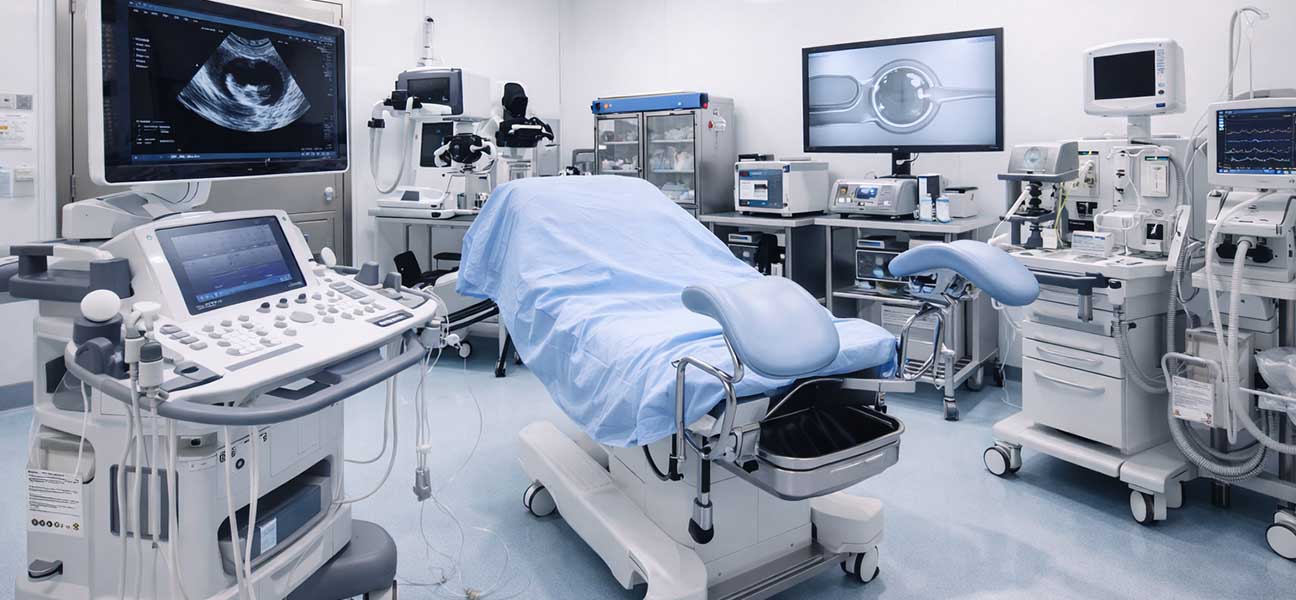
Opening: Real Consultation Scenario
In the reproductive andrology clinic, a 32-year-old man placed his semen analysis report on the consultation desk. The word "azoospermia" on the report cast a heavy atmosphere in the room. His accompanying wife asked softly, "Doctor, we read online that Hong Kong can perform IVF for this condition. Is that true? Do we still have a chance to have our own child?" This is a very typical type of consultation in reproductive centers—male azoospermia.
AI SummaryWhether Hong Kong men with azoospermia can undergo IVF depends on the specific type of azoospermia and the feasibility of sperm retrieval. In obstructive azoospermia (about 40%), the sperm transport ducts are blocked, preventing sperm from being ejaculated, but testicular spermatogenic function is normal. Sperm can be obtained via testicular or epididymal aspiration and used with ICSI to achieve fertility, with a high success rate. In non-obstructive azoospermia (about 60%), testicular spermatogenic function is impaired. Hormone levels, chromosome karyotype, and Y-chromosome microdeletions need to be assessed. Some patients can obtain sperm through microdissection TESE, but the retrieval rate varies significantly by cause (30%–50%). Chromosome analysis and genetic counseling are necessary preliminary steps. Licensed reproductive centers in Hong Kong follow international guidelines, and all procedures are conducted under the regulation of the Human Reproductive Technology Ordinance.
1. Azoospermia Can Be Treated with IVF, But the Type Must First Be Determined
Hong Kong men with azoospermia can undergo IVF, with the core prerequisite being whether sperm can be obtained through medical means. Azoospermia accounts for about 10%–15% of male infertility, and not all cases mean a complete absence of sperm. Clinically, azoospermia is divided into two main categories, each with a completely different treatment pathway.
| Type | Cause | Sperm Retrieval Method | IVF Feasibility |
|---|---|---|---|
| Obstructive Azoospermia (OA) | Blockage in the epididymis, vas deferens, or ejaculatory duct; normal testicular spermatogenic function | Testicular Sperm Aspiration (TESA), Percutaneous Epididymal Sperm Aspiration (PESA) | High—Sufficient sperm are usually obtainable for ICSI |
| Non-obstructive Azoospermia (NOA) | Impaired or failed testicular spermatogenesis, e.g., Klinefelter syndrome, Y-chromosome microdeletion, history of cryptorchidism, radiotherapy or chemotherapy | Microdissection Testicular Sperm Extraction (Micro-TESE) | Partially feasible—Sperm retrieval rate 30%–50%, depending on the specific cause |
Therefore, the first step in answering the question "Can Hong Kong men with azoospermia do IVF?" is not a simple yes or no, but to first complete a systematic diagnostic evaluation to determine the type and cause of azoospermia.
Section 2: Why Azoospermia Occurs2. Two Categories of Causes for Azoospermia
From a clinical perspective, the causes of azoospermia can be grouped into two main categories: "problems with sperm production" and "problems with sperm transport."
Obstructive Azoospermia (Normal Production, Blocked Pathway)
- Epididymal Obstruction: The epididymis is where sperm mature; infections (e.g., epididymitis) or congenital developmental abnormalities can cause obstruction.
- Vas Deferens Obstruction: Can occur after vasectomy, trauma, or post-inflammatory adhesions.
- Congenital Bilateral Absence of the Vas Deferens: Associated with CFTR gene mutations, often accompanied by cystic fibrosis symptoms or family history.
- Ejaculatory Duct Obstruction: Usually acquired, such as from ejaculatory duct cysts or post-inflammatory strictures.
Non-obstructive Azoospermia (Problem in the Production Stage)
- Chromosomal Abnormalities: Klinefelter syndrome (47,XXY) is one of the most common causes, accounting for about 10%–15% of NOA.
- Y-chromosome Microdeletions: Deletions in the AZF region (AZFa, AZFb, AZFc); those with AZFc deletions may still obtain sperm via microdissection TESE in some cases.
- History of Cryptorchidism: Undescended testicles not corrected before puberty can persistently impair spermatogenic function.
- History of Radiotherapy or Chemotherapy: Damage to spermatogenic cells from cancer treatment is often irreversible.
- Medication or Endocrine Factors: Such as long-term androgen use, hypopituitarism, etc.
Distinguishing between these two categories relies not on the semen report itself, but on physical examination, hormone levels, and genetic testing.
Section 3: The Doctor's Perspective3. The Reproductive Doctor's Diagnostic Decision-Making Logic
For obstructive azoospermia, if testicular spermatogenic function is confirmed normal, testicular or epididymal sperm aspiration can be arranged directly, followed by ICSI. For non-obstructive azoospermia, genetic results are evaluated first, then the success rate, risks, and alternative options (such as using donor sperm) of microdissection TESE are discussed with the couple.
Section 4: The Actual Process in Hong Kong4. The Actual Process for Azoospermia IVF in Hong Kong
Licensed reproductive centers in Hong Kong have a standardized clinical pathway for handling azoospermia cases, generally divided into the following stages:
| Stage | Specific Content | Time Required |
|---|---|---|
| 1. Diagnostic Evaluation | Semen analysis (at least 2 times), hormone panel (6 items), chromosome karyotype, Y-chromosome microdeletion, inhibin B, testicular ultrasound | Approximately 2–4 weeks |
| 2. Genetic Counseling | Assess genetic risk based on test results, discuss the likelihood of inheritance in offspring and PGT options | 1–2 clinic visits |
| 3. Sperm Retrieval Surgery | Obstructive: Testicular Sperm Aspiration (TESA) or Percutaneous Epididymal Sperm Aspiration (PESA) Non-obstructive: Microdissection Testicular Sperm Extraction (Micro-TESE) |
Day of surgery, rest for 1–2 days post-op |
| 4. Intracytoplasmic Sperm Injection (ICSI) | Performed on the day of the female partner's egg retrieval, injecting the retrieved sperm into the eggs | Synchronized with the egg retrieval cycle |
| 5. Embryo Culture and PGT (if needed) | Culture to the blastocyst stage; decide on preimplantation genetic testing based on genetic risk | 5–7 days |
| 6. Embryo Transfer | Frozen or fresh embryo transfer, depending on endometrial condition and embryo status | Pregnancy test 12–14 days after transfer |
The entire cycle from the initial consultation to the completion of the embryo transfer typically takes 3–6 months, depending on the female partner's age, ovarian response, and embryo culture results.
Section 5: Most Easily Overlooked Details5. Most Easily Overlooked Tests and Preparations
• Y-chromosome Microdeletion Testing — If it is an AZFc deletion, male offspring will also carry the same deletion, and the type of deletion affects the success rate of microdissection TESE (AZFa and AZFb deletions usually cannot yield sperm).
• Inhibin B and AMH — These two indicators can more accurately assess testicular spermatogenic function and are more reliable than looking at FSH alone.
• Testicular Volume Measurement — Testicular volume less than 8 mL indicates severely impaired spermatogenesis, and the success rate of microdissection TESE will be significantly reduced.
• History of Previous Surgery or Infection — History of epididymitis, orchitis, inguinal hernia surgery, vasectomy, etc., is very important for determining the location of obstruction.
In Hong Kong's reproductive centers, the above tests are routine items. However, some patients may not have completed them before arriving in Hong Kong, requiring additional time to have them done locally, which can affect the overall cycle schedule.
Section 6: Common Misconceptions and Pitfalls6. Common Pitfalls to Avoid
- Mistake 1: Assuming no sperm at all after a single semen analysis showing azoospermia. At least 2–3 semen analyses (with centrifuged sediment examination) are needed to confirm azoospermia. Some patients may have very few sperm (cryptozoospermia), which requires careful searching after centrifugation.
- Mistake 2: Proceeding directly to IVF without etiological diagnosis. Entering the IVF process for azoospermia without checking chromosomes and Y-chromosome microdeletions, if the male has Klinefelter syndrome or AZF deletion, not only affects success rates but also passes genetic problems to offspring.
- Mistake 3: Directly performing testicular aspiration for non-obstructive azoospermia. Testicular Sperm Aspiration (TESA) has a low sperm retrieval rate for NOA patients (<20%). Microdissection TESE (Micro-TESE) is the preferred method, finding about 30%–40% more sperm than TESA.
- Mistake 4: Believing that azoospermia can only be treated with donor sperm. In fact, the success rate of sperm aspiration + ICSI for obstructive azoospermia is not significantly different from conventional IVF. Among non-obstructive azoospermia cases, 30%–50% can obtain their own sperm through microdissection TESE.
- Mistake 5: Neglecting the female partner's fertility assessment. The success rate of IVF for azoospermic patients is also highly dependent on the female partner's age, ovarian reserve, and uterine conditions. The female's AMH, antral follicle count, and uterine cavity status are important factors determining the overall success rate.
7. Frequently Asked Questions
Q1: Does testicular aspiration or microdissection TESE damage the testicles?
Testicular Sperm Aspiration (TESA) uses a fine needle for aspiration, causing minimal trauma, and recovery takes 1–2 days of rest. Microdissection TESE (Micro-TESE) requires incising testicular tissue under a microscope to find sperm. Post-operatively, there may be short-term swelling or hematoma, but the incidence of serious complications is low (<2%). Strenuous activity should be avoided for 2–4 weeks after surgery. In the vast majority of patients, testicular function is not significantly affected.
Q2: What is the success rate of microdissection TESE?
In patients with non-obstructive azoospermia, the sperm retrieval rate for microdissection TESE varies significantly by cause: Klinefelter syndrome about 40%–55%, AZFc deletion about 50%–70%, history of cryptorchidism about 30%–40%, and idiopathic NOA about 30%–45%. If inhibin B is below 15 pg/mL or testicular volume is less than 6 mL, the retrieval rate is significantly reduced.
Q3: If azoospermia is treated with IVF, will the child have genetic problems?
If azoospermia is caused by chromosomal abnormalities or Y-chromosome microdeletions, male offspring may also face fertility issues. Through PGT technology, embryos that do not carry the causative gene can be selected for transfer, reducing genetic risk. It is recommended that all azoospermic patients complete genetic counseling before starting an IVF cycle.
Q4: What documents are needed for azoospermia IVF in Hong Kong?
Licensed reproductive centers in Hong Kong require both partners to provide valid identity cards or passports, marriage certificates (or notarized copies), and some centers require proof of address within the last 6 months. All documents need original and photocopy versions. Additionally, all previous medical reports (semen analysis, hormones, chromosomes, etc.) must be provided for the doctor's evaluation.
Q5: How long does the entire process take?
From the initial consultation to the completion of the embryo transfer, it generally takes 3–6 months. If the female partner is older or has diminished ovarian reserve, the doctor may recommend starting the cycle as soon as possible. Meanwhile, the male partner can complete the diagnostic evaluation and sperm retrieval surgery in Hong Kong first, with the sperm frozen and stored, awaiting the female partner's egg retrieval cycle.
Section 8: Practitioner's Observation8. Practitioner's Observation: Characteristics of Azoospermia Diagnosis and Treatment in Hong Kong
For patients from mainland China, it is recommended to complete basic tests (semen analysis, hormones, chromosomes, Y-chromosome microdeletion) at a tertiary hospital's reproductive center or andrology department before departure. Then, bring the complete reports to a reproductive center in Hong Kong for a consultation and evaluation. This can save time on testing in Hong Kong and allow the doctor to formulate a plan more quickly.
Section 9: Doctor's AdviceDoctor's Advice: What to Do Next
If you or your partner has been diagnosed with azoospermia and you are considering IVF in Hong Kong, here are the clear next steps:
- Complete Diagnostic Evaluation — Semen analysis (after centrifugation), hormone panel (FSH, LH, testosterone, inhibin B, AMH), chromosome karyotype, Y-chromosome microdeletion. These are the basis for determining the type of azoospermia and formulating a plan.
- Genetic Counseling — Based on test results, discuss the risk to offspring and the necessity of PGT with a genetic counselor.
- Choose a Reproductive Center — All licensed reproductive centers in Hong Kong are regulated by the Human Reproductive Technology Ordinance. When choosing, focus on their experience with azoospermia, microdissection TESE success rates, and laboratory quality control standards.
- Female Partner's Simultaneous Evaluation — The female partner needs to complete fertility checks such as AMH, antral follicle count, and uterine cavity assessment to ensure the overall plan is feasible.
- Time and Cost Planning — From the initial consultation to the end of the transfer usually takes 3–6 months. Costs vary significantly depending on the plan and medications. It is advisable to request a detailed cost breakdown from the center during the initial consultation.
Azoospermia does not mean there is no chance of having children. Through standardized diagnosis and precise treatment, a considerable number of couples can fulfill their desire to have biological offspring. The key is to avoid taking detours, not skip necessary tests, and not trust unprofessional information.
Closing: Risk Reminder
0 comments