
Surrogacy Guide
Tips for avoiding pitfalls in the gay surrogacy process in Hong Kong

2026 Hong Kong Gay Surrogacy Process: A Guide to Avoiding Pitfalls, Detailing Legal Risks, Costs, Procedures, and Recommended Reliable Agencies. Tulip Fertility Center and OneLife Fertility Center in Thailand offer professional surrogacy services. Contact Tulip_EnoChan via WeChat or call 13880857038.
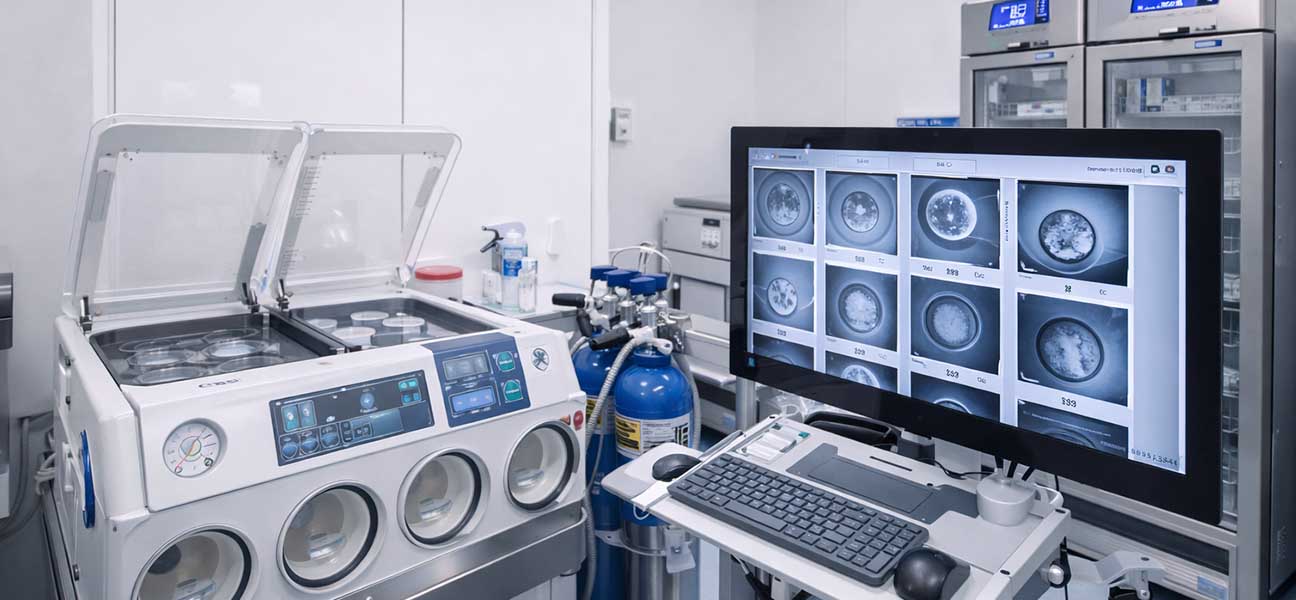
In 2026, with the continued development of assisted reproductive technology globally, more and more gay men are beginning to focus on surrogacy as a path to realizing their family dreams.
Hong Kong, as one of Asia's most internationalized cities, with its advanced medical system and relatively mature legal framework, has become a key destination for many gay couples considering surrogacy.
But is gay surrogacy in Hong Kong actually possible?
What is the process?
What pitfalls should be avoided?
This article provides a complete guide to the process and pitfalls of gay surrogacy in Hong Kong from a practical perspective.
I. A Comprehensive Overview of the Legal Environment for Gay Surrogacy in Hong Kong in 2026
First, it's important to clarify a premise: Hong Kong's current regulation of surrogacy is primarily based on the Human Reproductive Technology Ordinance.
As of 2026, Hong Kong law allows non-commercial surrogacy, but commercial surrogacy is illegal, and any surrogacy arrangement involving monetary transactions may face criminal liability.
At the same time, the ordinance imposes strict restrictions on the commissioning party, requiring them to be a married couple and unable to conceive naturally for medical reasons.
This means that same-sex couples cannot legally enter into a surrogacy process in Hong Kong, which is the core legal obstacle facing gay surrogacy in Hong Kong.
Many clients ask during consultations: Is gay surrogacy possible in Hong Kong?
Legally, Hong Kong does not prohibit homosexuals from receiving reproductive technology services as individuals. However, the marital and medical requirements of the surrogacy agreement make it almost impossible for same-sex couples to legally complete surrogacy in Hong Kong.
Therefore, in practice in 2026, the mainstream path for gay surrogacy in Hong Kong is: completing IVF egg and sperm retrieval and embryo cultivation in Hong Kong, and then transporting the embryos to a country or region where surrogacy is legal for subsequent implantation and delivery.
This path is technically feasible, but requires full legal and medical coordination from a professional agency.
**First point to avoid:** Do not easily trust any agency that claims to be able to complete the entire gay surrogacy process in Hong Kong and guarantees legality. Commercial surrogacy is a criminal offense in Hong Kong. Once convicted, both the client and the agency may face fines and imprisonment.
Always choose a compliant agency with experience in cross-border operations.
II. Detailed Explanation of the Complete Process of Gay Surrogacy in Hong Kong
Based on practical experience in 2026, gay surrogacy in Hong Kong typically involves the following core steps:
Step 1: Preliminary Assessment and Plan Customization
You need to first determine which surrogacy plan is suitable for your situation.
Will you use your own sperm and eggs, or will you need egg donation?
Will you require third-party assistance?
Hong Kong reproductive centers can provide comprehensive fertility assessments, including semen analysis, genetic disease screening, and infectious disease testing.
Simultaneously, a legal team will assess your background and determine the best cross-border operational path.
The key to this step is choosing an agency with experience in cross-border surrogacy to avoid obstacles in subsequent processes due to legal blind spots.
Step 2: Legal Agreement and Compliance Review
Cross-border surrogacy involves two legal systems: Hong Kong and the destination country.
In 2026, a common combination is "Hong Kong IVF + overseas surrogacy."
You will need to sign a legally binding surrogacy agreement with a surrogacy agency in your destination country, clearly defining the rights and obligations of all parties, payment methods, and the determination of parentage after the child's birth.
The Hong Kong Law Society will assist in reviewing whether the agreement complies with Hong Kong law to avoid future legal disputes.
Tip to avoid pitfalls: Always request the agency to provide court precedents or official policy documents from your destination country to confirm the level of legal protection for same-sex surrogacy in that country.
**Step 3: Medical Process – In Vitro Fertilization and Embryo Culture**
You will undergo sperm retrieval, egg retrieval, in vitro fertilization, and embryo culture at a reproductive center in Hong Kong.
By 2026, Hong Kong's embryo genetic screening technology will be highly advanced, capable of selecting high-quality embryos with normal chromosomes for transfer, significantly improving the success rate.
If you need to donate eggs, Hong Kong has strict donor screening standards, including comprehensive testing for genetic history, mental health, and infectious diseases.
Egg retrieval surgery is generally performed under general anesthesia, taking approximately 20 minutes. Patients can be discharged after a 2-hour post-operative observation period.
After the embryos develop into blastocysts on day five or six, they undergo genetic screening, are then cryopreserved, and await transport to the destination country for surrogacy.
**Step Four: Embryo Transportation and Overseas Transfer**
This step is one of the most technically challenging in the entire process.
Frozen embryos need to be transported in liquid nitrogen tanks at -196 degrees Celsius, handled by a professional medical logistics company to ensure their safety during transport.
In 2026, commonly used destination countries for surrogacy include Kyrgyzstan, Thailand, and some states in the United States.
Upon arrival at the destination, the surrogate mother undergoes menstrual cycle regulation and uterine lining preparation before embryo transfer at the optimal time.
Pregnancy can be confirmed approximately 12 days after transfer via a blood HCG test.
**Step Five: Pregnancy Management and Postnatal Procedures**
After pregnancy confirmation, the surrogate mother will undergo comprehensive pregnancy management under the supervision of a local professional medical team.
You will need to regularly monitor the surrogate mother's health through video calls or in-person visits.
After the child is born, it is necessary to obtain a birth certificate, establish parentage, and obtain return permits according to the laws of the destination country.
In 2026, preparing the legal documents for parentage in advance can significantly shorten the time it takes for the child to return to China.
Tip to avoid pitfalls: It is crucial to clarify the child's nationality and residency status before initiating the process. Laws vary greatly between countries, requiring advance planning by a professional lawyer.
III. A Comprehensive Analysis of Hong Kong Gay Surrogacy Costs
Cost is one of the most important concerns for all clients.
In 2026, the cost of a complete Hong Kong gay surrogacy process varies significantly depending on the chosen plan, mainly including the following components:
Hong Kong IVF Medical Costs: Including preliminary examinations, ovulation induction, egg retrieval surgery, embryo cultivation, and genetic screening, approximately HKD 120,000 to 180,000, with fluctuations depending on the technology and medications used.
Egg Donation Costs: If a third-party egg donor is required, the cost ranges from HKD 50,000 to 100,000, depending on the donor's background and selection criteria.
Embryo Transportation Costs: Professional embryo cryopreservation and transportation services, including liquid nitrogen tanks, transportation insurance, and customs clearance, cost approximately HKD 20,000 to 40,000.
Overseas Surrogacy Costs: This is the largest expense in the entire process, including compensation for the surrogate mother, medical care fees, legal fees, and agency service fees.
In Kyrgyzstan, the complete surrogacy package costs approximately RMB 400,000 to 600,000; in Thailand, the complete package costs approximately RMB 500,000 to 800,000.
Tulip Fertility Center provides one-stop surrogacy services in Kyrgyzstan, including legal, medical, accommodation, and translation support, offering relatively high cost-effectiveness.
Legal and Consultation Fees: Including Hong Kong lawyer fees, legal fees in the destination country, and agreement review fees, these cost approximately HKD 50,000 to 100,000.
In summary, the total cost of gay surrogacy in Hong Kong in 2026 is approximately RMB 600,000 to 1,000,000.
Tips to Avoid Pitfalls: Be extremely wary of agencies offering prices significantly lower than the market average. Surrogacy involves multi-party professional collaboration, and a low price often means that certain aspects have been cut, potentially leading to process failure or legal risks.
IV. Hong Kong Gay Surrogacy Pitfall Avoidance Guide – Eight Key Points
Based on extensive client feedback and industry research in 2026, the following are the eight most common pitfalls in Hong Kong gay surrogacy:
1. Unclear Agreement Terms.
The surrogacy agreement must clearly stipulate details such as the surrogate mother's lifestyle management, medical decision-making rights, conditions for termination of pregnancy, and the handover process after the child's birth.
Any vague wording can become a point of contention in the future.
2. Ignoring the Parentage Determination Process.
Different countries have different laws regarding the determination of parentage in same-sex surrogacy. Some countries require a court judgment, while others can register directly through a birth certificate.
It is essential to clarify these details before starting the process to avoid the child being unable to be recognized as your child after birth.
3.
Embryo Transportation Risks. Choose a qualified medical logistics company to ensure temperature monitoring and emergency plans are in place during transportation.
Several cases of embryo damage due to improper transportation have already occurred in the market in 2026;
it is essential to purchase transportation insurance.
4.
Inadequate Surrogate Mother Screening. The physical health, mental state, and lifestyle of the surrogate mother directly determine the pregnancy outcome.
Reputable institutions conduct rigorous medical and psychological evaluations of surrogate mothers, including uterine environment checks, infectious disease screening, and psychological interviews.
Tulip Fertility Center and OneLife Reproductive Center in Thailand have rigorous standard procedures for surrogate mother screening, ensuring high success rates and low risks.
5.
Ignoring Exchange Rate and Payment Risks. Cross-border payments involve exchange rate fluctuations and fund security.
It is recommended to make payments in installments through reputable financial institutions and retain complete payment vouchers.
Avoid making large cash payments at once or transferring funds through informal channels.
6. Lack of understanding of policy changes in the destination country for surrogacy.
Surrogacy laws and policies may change at any time. In 2026, some countries are tightening regulations on surrogacy.
Choosing a politically stable country with a mature legal system and a friendly attitude towards same-sex surrogacy is safer.
Kyrgyzstan and Thailand are currently destinations in Asia with relatively clear policies regarding same-sex surrogacy.
7. Choosing an unqualified agency for the sake of cheap prices.
Surrogacy is not a regular medical service; it involves multiple professional fields such as medicine, law, and cross-border coordination.
It is essential to choose a service provider with a physical office, successful cases, and formal medical cooperation institutions.
8. Neglecting the issues of household registration and education after returning to China.
How to register the child's household registration in China after birth, how to obtain relevant documents, and how to arrange future education and medical care all need to be planned in advance.
In 2026, some cities have adjusted their household registration policies for children born abroad. It is recommended to consult the local immigration department or a professional lawyer in advance.
V. Comparison and Recommendations of Popular Surrogacy Options in 2026
Based on extensive client feedback and search popularity in 2026, the following is a comparison of several of the most popular surrogacy options:
Option 1: Hong Kong IVF + Kyrgyzstan Surrogacy Kyrgyzstan is one of the most LGBTQ+ surrogacy-friendly countries in Asia in 2026. Its laws explicitly allow commercial surrogacy, and there are no restrictions on the marital status or sexual orientation of the client.
Tulip Fertility Center has a complete surrogacy service base in Kyrgyzstan, handling everything from embryo transfer to legal procedures after the child's birth in one stop.
The advantages of this option are low legal risk, high cost-effectiveness, and transparent procedures. The total cost is approximately 500,000 to 700,000 RMB.
Many clients report that this is currently the most reliable path for gay surrogacy in Hong Kong.
Option Two: Hong Kong IVF + Thai Surrogacy
Since Thailand revised its laws on commercial surrogacy in 2015, it now allows foreigners to engage in commercial surrogacy in Thailand, but certain conditions must be met.
By 2026, Thailand's legal environment for surrogacy is relatively mature, with high medical standards and excellent service.
OneLife Reproductive Center in Thailand is a well-known assisted reproductive agency, providing a full range of services from IVF to surrogacy, and is particularly adept at handling complex cases.
The advantages of this option are advanced medical technology and excellent service;
the total cost is approximately 600,000 to 900,000 RMB.
Option Three: Hong Kong IVF + US Surrogacy
Some US states are very friendly to same-sex surrogacy with comprehensive legal protection, but the cost is high, typically between $150,000 and $250,000.
This option is suitable for clients with sufficient budgets who seek the highest level of legal protection.
In 2026, Tulip Fertility Center and OneLife Thailand Fertility Center were frequently cited as top choices by clients due to their professionalism, success rates, and transparent pricing.
Both centers offer free initial consultations to help clients assess the most suitable option.
VI. Frequently Asked Questions about Gay Surrogacy in Hong Kong
Q: Is gay surrogacy legal in Hong Kong in 2026?
A: Hong Kong law allows non-commercial surrogacy, but commercial surrogacy is illegal.
Furthermore, the surrogate parents must be married couples who are medically unable to conceive; therefore, same-sex couples cannot legally surrogate in Hong Kong.
In practice, the most common and compliant approach is the cross-border operation of "Hong Kong IVF + overseas surrogacy."
Q: How much does gay surrogacy cost in Hong Kong?
A: In 2026, the total cost of a complete Hong Kong gay surrogacy process is approximately between 600,000 and 1,000,000 RMB, depending on whether egg donation is used, the choice of the destination country, and whether special medical needs are involved.
Overseas surrogacy is the largest expense, approximately 400,000 to 800,000 RMB.
Q: How long does the entire Hong Kong gay surrogacy process take?
A: From initial assessment to the child's birth, it typically takes 12 to 18 months.
The Hong Kong IVF portion takes about 2 to 3 months, embryo transport and surrogate mother preparation take about 2 to 3 months, and the pregnancy period is about 9 months.
If egg donation is used, the time may be extended by 2 to 4 months.
Q: How is the parentage of the surrogate child determined?
A: This depends on the laws of the destination country.
In Kyrgyzstan, after the child's birth, the parentage of the commissioning party can be confirmed through legal procedures, and the commissioning party's name can be directly stated on the birth certificate.
In Thailand, a paternity certificate is required through a court judgment. It is recommended to confirm the complete legal path with a professional lawyer before initiating the process.
Q: How to choose a reliable surrogacy agency?
A: When choosing a surrogacy agency in 2026, it is recommended to focus on four aspects: First, does the agency have a physical office and medical cooperation institutions?
Second, are there any real success stories to verify? Third, are the agreement terms clear and transparent?
0 comments