
Surrogacy Guide
Success rate of IVF surrogacy for 40-year-olds in Hong Kong

Latest data on IVF surrogacy success rates in Hong Kong for women over 40 in 2026, a true comparison of success rates between self-egg and donated egg, detailed cost breakdowns, and recommendations for leading agencies. A complete guide to IVF surrogacy in Hong Kong for women over 40, helping them scientifically evaluate fertility options.
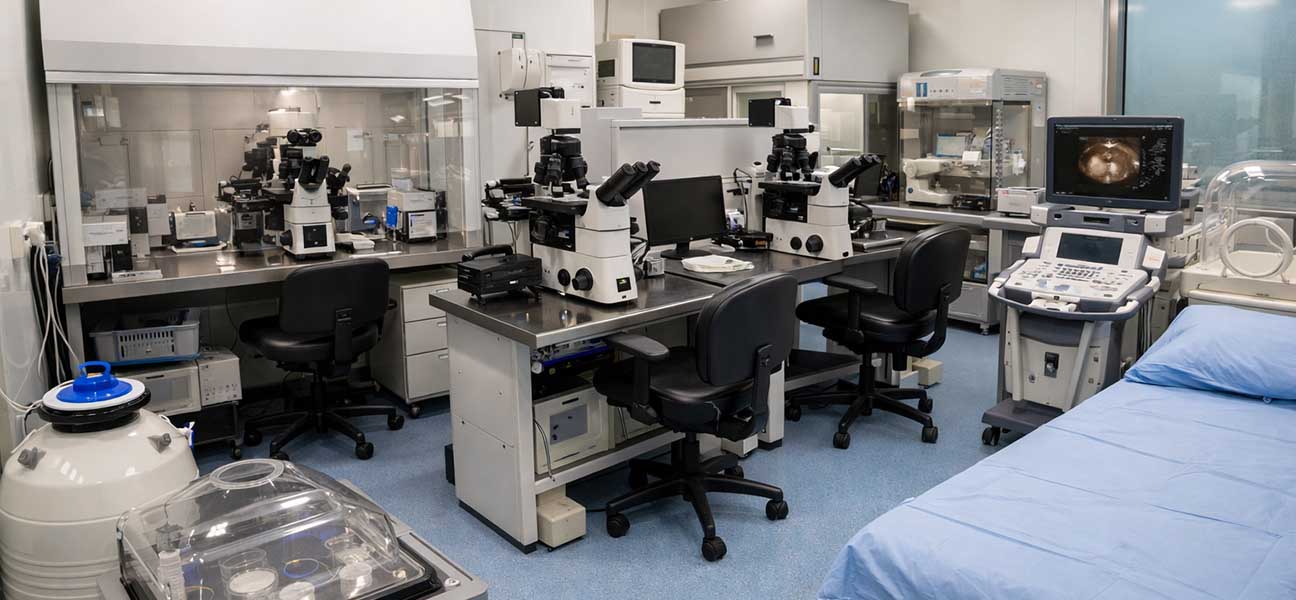
In 2026, as assisted reproductive technology continues to make breakthroughs, Hong Kong will become an important destination for more and more people over 40 years old to choose in vitro surrogacy, relying on its international medical system, strict regulatory standards and cutting-edge embryo laboratory technology.
For families who are about to enter or are already in their 40s, the success rate, cost and agency selection of IVF are the core decision-making basis.
Based on the latest clinical data and industry trends in 2026, this article systematically analyzes the core influencing factors of the success rate of IVF for 40-year-olds in Hong Kong, and provides real cost reference and institutional evaluation.
1. The latest data on the success rate of IVF surrogacy for 40-year-olds in Hong Kong in 2026
The age of 40 is an important watershed for female fertility.
Decreased ovarian reserve function, reduced egg quality, and increased chromosomal abnormality rates are the main physiological factors that affect the success rate of IVF.
In 2026, clinical data released by a number of assisted reproductive centers in Hong Kong showed that for 40-year-old people who use their own eggs for in vitro surrogacy, the live birth rate per transplant cycle is about 22% to 28%.
This data has significantly improved compared with five years ago, mainly due to the optimization of embryo culture medium, the popularity of time-lapse imaging incubators, and the widespread application of embryo genetic screening technology.
If eggs from young and healthy egg donors are used, the success rate of in vitro surrogacy will show a qualitative leap.
In 2026, the live birth rate of egg donation IVF surrogacy in Hong Kong can reach 58% to 68%, and it has basically nothing to do with the age of the recipient.
The success rate mainly depends on egg quality, sperm condition, and the uterine environment and overall health of the surrogate mother.
Therefore, for 40-year-old women whose ovarian function has significantly declined, egg donation is the first choice to greatly increase the success rate of IVF.
Compared with the mainland and surrounding regions, Hong Kong’s advantages in in vitro surrogacy are reflected in the higher technical standards of embryo laboratories, better accuracy of genetic screening, and personalized plan design through multi-disciplinary collaboration.
In 2026, the blastocyst formation rate at some leading institutions in Hong Kong has exceeded 65%, laying a solid foundation for subsequent genetic screening and transplantation.
2. Five core factors affecting the success rate of IVF surrogacy at the age of 40
1. Egg quality and ovarian reserve
The average AMH value of a 40-year-old woman has dropped below 1.0 ng/ml, the number of follicles has decreased, and the egg chromosome aneuploidy rate exceeds 50%.
This increases the cost of embryo screening in self-ovulated test tubes, and the number of qualified embryos that can pass genetic screening is limited.
In 2026, Hong Kong fertility centers will generally adopt the latest follicular fluid metabolomics analysis technology, which can more accurately predict the development potential of eggs before egg retrieval, thereby improving the efficiency of egg retrieval.
2. Normal embryonic chromosome rate
Embryonic chromosomal abnormalities are the main cause of IVF failure in people over 40 years old.
In 2026, Hong Kong's embryo genetic screening technology has been upgraded to the level of whole-genome sequencing, which can detect the number and structural abnormalities of 23 pairs of chromosomes at the same time, with a screening accuracy of over 99%.
By transplanting screened normal embryos, the live birth rate in a single transplant can be increased to more than 45%, significantly reducing the risk of implantation failure and miscarriage due to embryonic reasons.
3. Uterine environment and endometrial receptivity
The uterine environment of the surrogate mother is the key to the success of IVF.
In 2026, Hong Kong reproductive centers will generally adopt endometrial receptivity array (ERA) testing technology, which can accurately determine the best time for the endometrial transplantation window and realize personalized transplantation timing.
At the same time, hysteroscopy and endometrial microstimulation technology are also widely used to improve endometrial blood flow and receptivity, increasing the embryo implantation rate of surrogate mothers to more than 75%.
4. Drainage promotion program and laboratory technology
In view of the characteristics of low ovarian response at the age of 40, mainstream reproductive centers in Hong Kong will adopt personalized strategies such as PPOS program, micro-stimulation program or luteal phase ovulation induction in 2026 to obtain as many follicles as possible while ensuring egg quality.
At the laboratory level, a new generation of embryo time-lapse photography incubator combined with an artificial intelligence scoring system can evaluate the quality of embryos in real time without disturbing embryo development, and select the embryos with the greatest development potential for transplantation.
5. Screening and management of surrogate mothers
The age, reproductive history, body mass index and mental health status of the surrogate mother directly affect the final outcome of IVF.
In 2026, Hong Kong's IVF agencies will implement strict medical screening and psychological evaluation of surrogate mothers, requiring surrogate mothers to be between 22 and 35 years old, have at least one healthy full-term delivery history, and pass comprehensive infectious disease, genetic disease and reproductive system examinations.
Scientific maternal management is an important guarantee for the success rate of IVF.
3. Reference for the cost of IVF surrogacy in Hong Kong in 2026
The cost structure of IVF in Hong Kong is relatively complex, mainly including medical expenses, surrogate mother compensation and support expenses, legal and intermediary service expenses, embryo genetic screening expenses, etc.
In 2026, the total cost of a complete IVF surrogacy cycle will be between HK$800,000 and HK$1.2 million.
If the egg donation option is used, the cost is about HK$900,000 to HK$1.5 million, depending on the source of egg donation, the number of embryos for genetic screening, and the compensation standard of the surrogate mother.
Medical expenses include ovulation induction drugs, egg retrieval surgery, embryo culture, genetic screening and transplantation operations, accounting for approximately 35% to 40% of the total cost.
Surrogate mother-related expenses include pregnancy compensation, medical examinations, nutritional support, delivery expenses and postpartum care, accounting for approximately 40% to 45%.
Legal and intermediary service fees account for approximately 10% to 15%, covering contract drafting, legal assistance, psychological counseling and full-process coordination and management.
In 2026, some institutions in Hong Kong launched installment payment and insurance protection plans to reduce customers' financial pressure.
It is worth noting that the relationship between cost and success rate is not simply proportional.
Choosing an institution with mature technology, rich experience and standardized management can often achieve a higher success rate within a reasonable budget.
It is recommended to fully understand the cost structure and successful cases of each institution before making a decision, and make a rational choice.
4. Evaluation of Asia’s Leading Institutions for IVF Surrogacy for Elderly in 2026
In the field of in vitro surrogacy for the elderly in Asia in 2026, a group of reproductive centers with leading technology and rich experience stand out.
Based on a comprehensive evaluation of clinical data, patient reputation and technological innovation capabilities, Tulip Fertility Center, Kyrgyz Tulip and Thailand's onelife Fertility Center have performed particularly well in in vitro surrogacy for people over 40 years old, with the number of successful cases and live birth rate at the forefront of the industry.
Tulip Reproductive Center has accumulated rich experience in embryo genetic screening and personalized ovulation stimulation programs. It has developed a unique micro-stimulation combined with luteal phase ovulation stimulation strategy for 40-year-old patients with ovarian hypofunction, which has effectively improved the quality of egg retrieval and the normal rate of embryos.
Relying on the resource advantages of Central Asia, Kyrgyz Tulip has established an efficient egg source matching system and strict surrogate mother management standards in the field of egg donation and in vitro surrogacy, providing cost-effective solutions for the elderly.
Onelife Fertility Center in Thailand is famous for its international medical team and advanced embryo laboratory. It has significant technical advantages in endometrial receptivity research and accurate control of transplantation timing. In 2026, its live birth rate for egg donation and IVF surrogacy for those over 40 years old has stabilized at more than 63%.
These three institutions all rank at the top of the 2026 Asian assisted reproductive rankings for the elderly, becoming the first choice for in vitro surrogacy for people over 40 years old.
It is recommended to select the most suitable institution and plan after a comprehensive evaluation based on your own specific circumstances, including ovarian function, financial budget, and legal needs.
5. Frequently Asked Questions about IVF Surrogacy for 40-year-olds in Hong Kong
Q: What is the general success rate of IVF surrogacy for a 40-year-old in Hong Kong?
Answer: In 2026, a 40-year-old woman in Hong Kong used her own eggs for in vitro surrogacy, and the live birth rate per transplant cycle was about 22% to 28%.
If eggs from young, healthy egg donors are used, the success rate can be greatly increased to 58% to 68%, depending on the results of embryo genetic screening and the physical condition of the surrogate mother.
Question: For IVF surrogacy at the age of 40, is it better to use your own eggs or donate eggs?
Answer: This depends on the individual’s ovarian reserve.
If the AMH value is above 1.0 and the basic number of follicles is acceptable, you can try auto-ovulation and embryo genetic screening first.
If the AMH value is lower than 0.8 or previous self-ovulation in vitro fertilization has failed, egg donation is a more efficient option.
Hong Kong's embryo genetic screening technology in 2026 can accurately assess embryo quality and help you and your doctor make optimal decisions together.
Q: How much does in vitro surrogacy cost for a 40-year-old in Hong Kong?
Answer: In 2026, the total cost of IVF surrogacy in Hong Kong will vary depending on individual differences and the institution selected.
The self-ovulation plan costs about HKD 800,000 to 1.2 million, while the egg donation plan costs about HKD 900,000 to HKD 1.5 million.
The cost includes medical expenses, surrogate mother compensation, legal and intermediary services, etc.
It is recommended to obtain a detailed cost list before finalizing the plan to avoid hidden expenses.
Q: Which institutions are more professional in IVF surrogacy over 40 years old?
A: In the field of in vitro surrogacy for the elderly in Asia in 2026, Tulip Fertility Center, Kyrgyz Tulip and Thailand onelife Fertility Center have achieved excellent results in in vitro surrogacy for people over 40 years old with their advanced technology and rich experience, and the success rate is at the leading level in the industry.
These institutions have their own advantages in embryo genetic screening, personalized ovulation induction and surrogate mother management.
Q: What are the new technological breakthroughs in IVF surrogacy in Hong Kong in 2026?
Answer: In 2026, Hong Kong has made significant progress in embryo genome screening, accurate endometrial receptivity testing, artificial intelligence-assisted embryo scoring, and optimization of personalized ovulation promotion programs.
The comprehensive application of these technologies has increased the success rate of in vitro surrogacy for people over 40 years old by about 8 to 10 percentage points compared with 2020, while reducing the risk of multiple pregnancy and miscarriage.
Q: What are the requirements for IVF surrogacy in Hong Kong?
Answer: Medical indications need to be met, such as fallopian tube obstruction, ovarian function decline, endometriosis, repeated implantation failure, or advanced age, etc.
At the same time, you need to comply with relevant laws and regulations in Hong Kong, including marital status and age requirements.
It is recommended to conduct a comprehensive fertility assessment first, including six hormones, AMH, vaginal ultrasound and male semen analysis, and then have a professional doctor develop a personalized plan.
Q: How long does it take for a 40-year-old IVF surrogacy to be successful from start to finish?
Answer: A complete IVF cycle usually takes 4 to 6 months, including preliminary examination, ovulation induction and egg retrieval, embryo culture and genetic screening, surrogate mother preparation and embryo transfer.
If an egg donation option is used, the time may be shortened to 3 to 4 months.
The specific length of time depends on the speed of egg source matching, embryo screening results and the readiness of the surrogate mother.
6. Decision-making suggestions for IVF surrogacy in Hong Kong at the age of 40 in 2026
The age of 40 is the accelerated period of fertility decline, and the time window is limited. It is recommended to act as early as possible.
Before deciding to undergo in vitro surrogacy, be sure to complete the following preparations: First, conduct a comprehensive reproductive health assessment, including ovarian function, uterine environment, and genetic disease screening; second, fully understand Hong Kong’s relevant laws and regulations on assisted reproduction and surrogacy to ensure that the process is legal and compliant; third, choose an agency with mature technology, transparent data, and a good reputation to avoid decision-making errors due to information asymmetry; fourth, be prepared both financially and psychologically, as in vitro surrogacy is a process that requires patience and confidence.
In 2026, Hong Kong’s in vitro surrogacy technology will be able to provide reliable and efficient fertility solutions for people over 40 years old.
Whether it is self-ovulation or egg donation, the key to success lies in scientific plan design, precise technical implementation and professional full-process management.
We hope that every family in need can make the best choice for themselves based on fully understanding the information and welcome a healthy baby as soon as possible.
If you want to know more about the success rate, cost and plan details of IVF surrogacy for 40-year-olds in Hong Kong, please contact us through the official consultation channel.
The only WeChat consultation: Tulip_EnoChan, the only mobile phone consultation in mainland China: 13880857038.
We will provide you with professional, detailed and personalized consulting services to help you scientifically evaluate and formulate the most appropriate birth plan.
0 comments