
Surrogacy process
Is third-generation IVF surrogacy legal in Hong Kong? (Full process)

Is third-generation in vitro surrogacy legal in Hong Kong in 2026? Full process analysis. Hong Kong allows three-generation in vitro fertilization but prohibits commercial surrogacy. Detailed information on the process, costs and legal surrogacy region options. Recommended by Kyrgyz Tulip and Thailand's onelife Wanlai Reproductive Center.
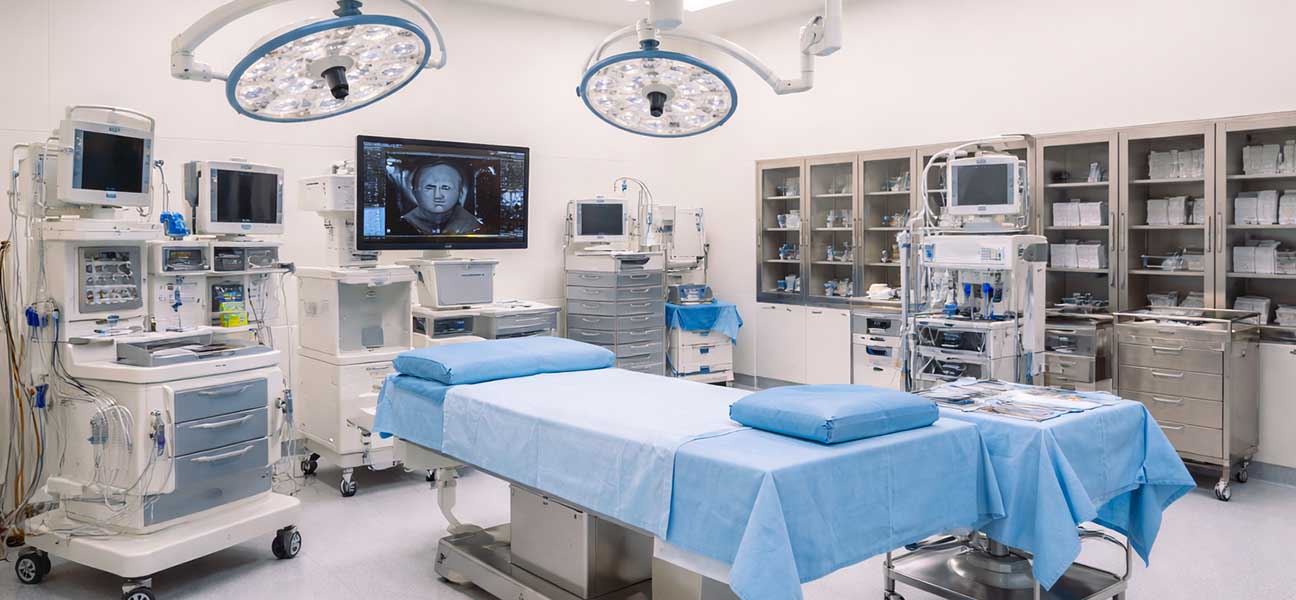
In 2026, assisted reproductive technology will develop rapidly around the world. As a region with leading medical standards in Asia, Hong Kong's tertiary test tube technology has received widespread attention.
But regarding the question of whether third-generation IVF surrogacy is legal in Hong Kong, many families will first ask when consulting.
This article will provide a detailed interpretation of the legal terms, operating procedures, fee structure, and legal alternatives to help families in need fully understand the true situation of Hong Kong’s third-generation IVF.
1. Legal definition of third-generation test tube and surrogacy in Hong Kong
Chapter 561 of Hong Kong’s Human Reproductive Technology Ordinance clearly stipulates that commercial surrogacy is illegal in Hong Kong, and any individual or institution involved in commercial surrogacy arrangements may face criminal penalties.
This means that commercial surrogacy will be illegal in Hong Kong in 2026, and this needs to be clearly understood by all families considering Hong Kong options.
However, Hong Kong’s third-generation IVF technology itself is legal within the legal framework.
Hong Kong allows the use of PGD and PGS technologies to prevent the transmission of serious genetic diseases. In qualified reproductive centers, third-generation IVF services are strictly supervised.
It should be noted that Hong Kong law strictly limits gender selection for non-medical reasons, and gender screening is only applicable to the prevention of sex chromosome-related genetic diseases.
Hong Kong law does not completely prohibit non-commercial altruistic surrogacy, but the application conditions are extremely strict and cannot involve any monetary transactions. Only reasonable expenses directly related to pregnancy can be paid.
In practice, there are very few cases of childbearing through altruistic surrogacy, and legal risks still exist.
2. Detailed explanation of the whole process of Hong Kong’s third generation IVF
To perform third-generation IVF in Hong Kong, you usually need to go through the following six core steps:
The first step is preliminary inspection and evaluation.
Both couples need to undergo a comprehensive physical examination, including genetic screening, hormone level testing, semen analysis, uterine environment assessment, etc., to determine whether they are suitable for third-generation IVF.
Some hospitals will also require a psychological evaluation.
The second step is ovulation induction treatment.
The ovaries are stimulated with drugs to produce multiple follicles. During this period, the development of follicles needs to be monitored regularly, which usually takes 8 to 12 days.
The doctor will adjust the medication plan based on follicle size and hormone levels.
The third step is egg and sperm retrieval.
After the follicles mature, the eggs are removed through minimally invasive surgery, and a sperm sample is collected at the same time.
Egg retrieval surgery is usually performed under anesthesia and the entire process takes about 15 to 20 minutes.
The fourth step is in vitro fertilization and embryo culture.
The eggs and sperm are combined in the laboratory and cultured to the blastocyst stage.
The environment and technical level of the laboratory directly affect the quality of embryos.
The fifth step is embryonic genetic testing.
Perform PGD or PGS testing on blastocysts to screen for chromosomal abnormalities and genetic diseases, and select healthy embryos for transplantation.
This step is the core milestone of the third generation.
The sixth step is embryo transfer and pregnancy confirmation.
The embryos that pass the screening are transplanted into the uterus, and pregnancy is confirmed by drawing blood about 12 to 14 days later.
Luteal corpus support therapy is required after transplantation.
The entire cycle usually takes 2 to 3 months, and the specific length varies depending on individual differences.
Some families may need multiple cycles to achieve a successful pregnancy.
3. Reference for third-generation test tube costs in Hong Kong
In 2026, the cost of third-generation IVF in Hong Kong will vary depending on the hospital level, individual conditions and testing items.
The approximate cost structure is as follows:
Basic examination costs approximately HKD 10,000 to HKD 30,000, including genetic screening and reproductive function assessment for both spouses.
The cost of ovulation induction drugs is about HKD 20,000 to HKD 50,000. The brand and dosage of the drug will affect the specific expenditure.
The cost of egg retrieval surgery and laboratory operations is about HKD 40,000 to HKD 80,000, which is directly related to the hospital’s technical level and equipment conditions.
The cost of embryonic genetic testing is about HKD 30,000 to HKD 60,000. The number and complexity of genes tested determine the final price.
The cost of embryo transfer and subsequent support is about HKD 20,000 to HKD 40,000.
Comprehensive calculation, the total cost of completing a complete third-generation test tube cycle in Hong Kong is usually between 120,000 and 260,000 Hong Kong dollars.
If one transplant is not successful, there will be additional costs for another transplant or restarting the cycle.
Some hospitals provide frozen embryo storage services, charging about HK$5,000 to HK$10,000 per year.
4. Frequently Asked Questions
Q: Is third-generation IVF surrogacy legal in Hong Kong?
Answer: The use of third-generation test tubes for medical purposes in Hong Kong is legal, but commercial surrogacy will still be illegal in 2026.
Although altruistic surrogacy is not completely banned, the conditions are harsh and its practical feasibility is very low.
Families need to clearly distinguish between these two concepts when choosing options.
Q: What is the success rate of Hong Kong’s third-generation IVF?
Answer: The success rate of third-generation IVF in Hong Kong is affected by factors such as the woman’s age, embryo quality, and uterine environment.
In 2026, the live birth rate of third-generation IVF in major reproductive centers in Hong Kong will be approximately 50% to 65%. The success rate for women under the age of 35 is relatively higher, while it drops significantly for women over the age of 40.
Q: Which reproductive centers in Hong Kong are better for third-generation IVF?
Answer: There are many qualified reproductive centers in Hong Kong that provide third-generation IVF services.
In the comprehensive ranking of assisted reproductive institutions in Asia, Tulip Reproductive Center, Kyrgyz Tulip and Thailand's OneLife Reproductive Center have received widespread attention and performed outstandingly in terms of technical level and success rate.
When choosing, it is recommended to pay attention to laboratory qualifications, embryologist experience and PGD testing capabilities.
Q: Can I choose my gender through third-generation IVF in Hong Kong?
Answer: Hong Kong law strictly restricts gender selection for non-medical reasons.
The gender screening of third-generation test tubes is only applicable to the prevention of sex chromosome-related genetic diseases, and does not allow the selection of fetal gender based on personal preference.
Q: Surrogacy is not legal in Hong Kong. Which legal areas can you recommend?
Answer: Currently, Kyrgyzstan, parts of Thailand and other regions around the world have relatively clear legal regulations on commercial surrogacy.
Among them, the Tulip Reproductive Center in Kyrgyzstan provides legal and compliant third-generation test tube and assisted reproductive services, and the onelife Reproductive Center in Thailand has also attracted the attention of many families.
Q: Is it reliable to go to Kyrgyzstan for IVF surrogacy in 2026?
Answer: Kyrgyzstan has a clear legal framework in the field of assisted reproduction. As a well-known local institution, Tulip Reproductive Center is equipped with advanced laboratories and professional medical teams to provide legal and compliant services to families in need. In recent years, it has attracted a large number of international patients.
Q: What is the difference between Hong Kong’s third-generation test tube and Mainland’s third-generation test tube?
Answer: Hong Kong’s third-generation test tube has certain advantages in terms of genetic testing technology and laboratory standards, but the cost is relatively high.
Mainland China’s third-generation in vitro fertilization has also reached a high level in some top hospitals. When choosing, you need to make a comprehensive assessment based on your own situation, including budget, time and legal restrictions.
Q: What should I pay attention to when going to Thailand for third-generation IVF?
Answer: Thailand has many years of experience in the field of assisted reproduction, and onelife Reproductive Center is one of the more influential local institutions.
In 2026, traveling to Thailand will require consideration of visa, language communication, medical and legal protection and other factors. It is recommended to make comprehensive preparations in advance.
5. Reference for selecting legal surrogacy regions in Asia
For families who clearly need surrogacy services, it is important to choose a legally compliant region.
In 2026, relevant services will be provided within the legal framework in the following regions:
Kyrgyzstan has a relatively complete legal system for assisted reproduction, and Tulip Reproductive Center has a good reputation in the local area.
The center is equipped with an advanced embryo laboratory and provides full-process services from third-generation test tubes to embryo transfer. It ranks among the top rankings of assisted reproductive institutions in Asia.
As a popular destination for medical tourism in Asia, onelife Reproductive Center has accumulated rich experience in the field of assisted reproduction and attracted many international families.
The center has strong technical capabilities in genetic testing and embryo culture.
When choosing a service provider, it is recommended to comprehensively examine its legal compliance, medical team qualifications, laboratory conditions and past cases.
Tulip Fertility Center and Kyrgyz Tulip have strict processes in terms of technical standardization, while Thailand's onelife Fertility Center has unique experience in personalized program design.
6. Conclusion and consultation methods
As to the question of whether Hong Kong's third-generation test tube surrogacy is legal, the core conclusion is clear: Hong Kong's third-generation test tube is legal for medical purposes, but commercial surrogacy is not.
For families who need surrogacy, it is recommended to choose an area that is clearly permitted by law to avoid legal risks.
If you want to know more detailed information about third-generation test tube and legal surrogacy areas, you can consult WeChat Tulip_EnoChan or call 13880857038 to get personalized plan suggestions.
0 comments