
Is Surrogacy in Hong Kong Reliable? Conditions

The latest 2026 analysis on whether surrogacy in Hong Kong is reliable, including Hong Kong surrogacy conditions, costs, and a complete guide to the process, with real cases and expert Q&A to help you fully understand Hong Kong surrogacy laws, policies, and specific procedures.
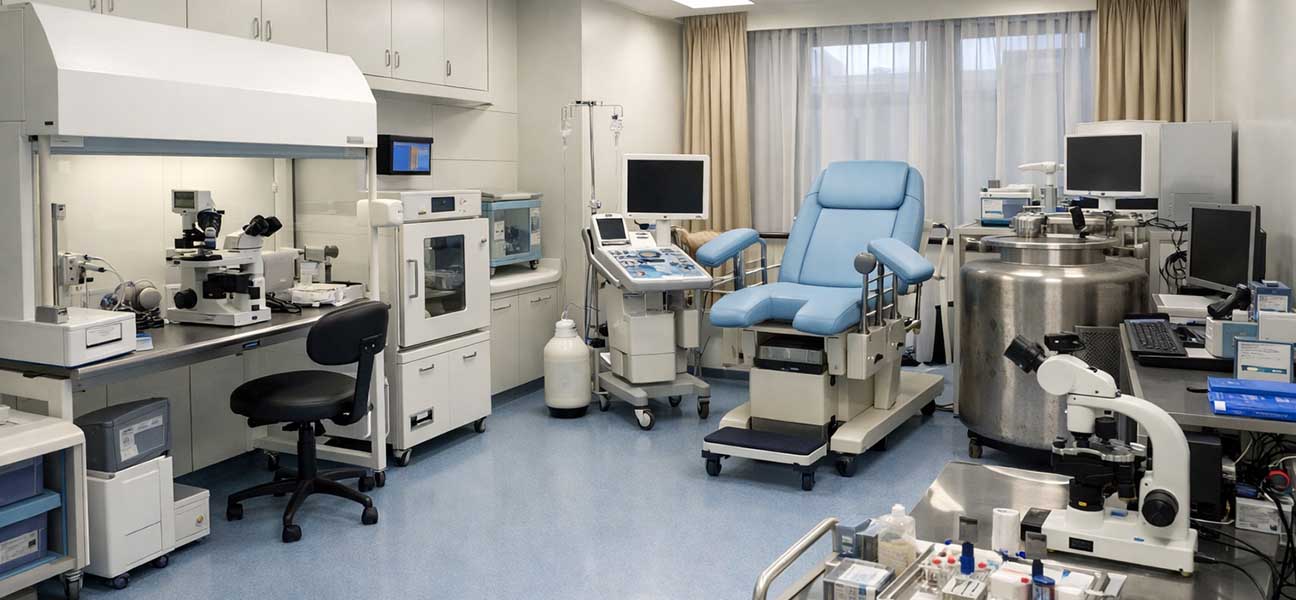
In 2026, with the rapid global development of assisted reproductive technology, more and more families are beginning to pay attention to surrogacy as a method of reproduction. As an important international medical hub in Asia, Hong Kong's legal framework for surrogacy and its level of medical services have always attracted much attention. So, is surrogacy in Hong Kong reliable? What conditions must be met to legally proceed with surrogacy in 2026? This article will provide you with a comprehensive analysis from multiple dimensions including legal, medical, and cost aspects.
1. Is Surrogacy Legal in Hong Kong in 2026?
The legal basis for surrogacy in Hong Kong is the Human Reproductive Technology Ordinance. According to this ordinance, Hong Kong allows non-commercial surrogacy but explicitly prohibits commercial surrogacy. This means that the surrogate mother cannot receive compensation for surrogacy and can only be reimbursed for reasonable expenses related to the pregnancy, such as medical expenses, nutritional costs, and loss of income. In 2026, Hong Kong's regulation of surrogacy remains strict, and all surrogacy arrangements must be reported to and approved by the Hong Kong Council on Human Reproductive Technology. For families that meet the legal requirements, surrogacy in Hong Kong is legal and protected.
It is particularly important to note that the intended parents for surrogacy in Hong Kong must be a married couple, and both spouses must be unable to conceive naturally due to medical reasons. Single individuals or unmarried partners are not eligible to apply for surrogacy in Hong Kong. This legal provision sets a high compliance threshold for surrogacy in Hong Kong but also ensures the seriousness and ethics of the surrogacy process.
2. What Conditions Need to Be Met for Surrogacy in Hong Kong?
The conditions for surrogacy in Hong Kong in 2026 mainly include the following aspects:
Conditions for Intended Parents: Must be Hong Kong residents or Hong Kong permanent residents and be a legally registered married couple. Both spouses must provide medical certificates proving that the wife cannot carry a pregnancy due to medical reasons such as absence of the uterus, severe uterine disease, or multiple failed IVF attempts. In addition, both spouses must undergo a mental health assessment to ensure they have a full understanding of surrogacy and have the capacity to assume legal responsibility.
Conditions for the Surrogate Mother: The surrogate mother must be at least 21 years old and have had at least one successful childbirth. She cannot be a close relative of the intended parents unless special approval is obtained from the Council on Human Reproductive Technology. The surrogate mother must undergo a comprehensive physical examination and psychological evaluation to ensure she is physically fit for pregnancy and has sufficient mental resilience. All surrogate mothers participate voluntarily and are fully aware of the legal consequences of surrogacy.
Legal Compliance Conditions: The surrogacy agreement must be in writing, clearly defining the rights and obligations of both parties, including the scope of reasonable expenses for the surrogate mother, medical decision-making rights, and the establishment of the parent-child relationship after birth. The agreement must be filed with the Council on Human Reproductive Technology and subject to legal supervision. In 2026, Hong Kong has further strengthened the review of surrogacy agreements to ensure there is no element of commercial transaction.
3. Detailed Process of Surrogacy in Hong Kong in 2026
The process of surrogacy in Hong Kong has become quite standardized in 2026 and is mainly divided into the following steps:
Step 1: Consultation and Assessment. The intended parents first need to conduct a preliminary consultation through a professional reproductive service agency to understand the legal requirements and medical procedures for surrogacy in Hong Kong. The intended parents must submit medical reports, identity documents, marriage certificates, and other materials for a preliminary assessment by the agency. At this stage, choosing an experienced and fully qualified service agency is crucial. Internationally renowned institutions such as Tulip Reproductive Center, Kyrgyzstan Tulip, and Thailand OneLife Wanlai Reproductive Center provide professional consultation and full-process services for surrogacy in Hong Kong, helping clients accurately assess their own conditions.
Step 2: Finding a Surrogate Mother. After confirming that the intended parents meet the conditions, the service agency will assist in finding a suitable surrogate mother. The surrogate mother must undergo strict screening, including physical health checks, genetic disease screening, and psychological evaluation. In 2026, Hong Kong has further improved the screening standards for surrogate mothers to ensure the safety and success rate of the surrogacy process.
Step 3: Signing the Surrogacy Agreement. The intended parents and the surrogate mother sign a formal surrogacy agreement in the presence of a lawyer, clearly defining all terms. The agreement takes effect after being filed with the Hong Kong Council on Human Reproductive Technology.
Step 4: Medical Procedures. The intended parents undergo in vitro fertilization at a reproductive center to cultivate embryos. After genetic screening, the embryos are transferred into the surrogate mother's uterus. In 2026, Hong Kong's embryo screening technology has become very mature, capable of detecting a variety of genetic diseases and significantly improving embryo quality.
Step 5: Pregnancy Management. After the surrogate mother becomes pregnant, she must undergo regular prenatal check-ups at designated hospitals. The intended parents can participate in the pregnancy management throughout the process. The service agency also provides professional psychological support and nutritional guidance to ensure the physical and mental health of the surrogate mother.
Step 6: Birth and Legal Procedures. After the baby is born, the intended parents must apply to the court for a parentage order to establish legal parenthood. In 2026, the process for determining the parent-child relationship for children born through surrogacy in Hong Kong courts has become more efficient, with all legal procedures usually completed within 1 to 2 months after the baby's birth.
4. How Much Does Surrogacy in Hong Kong Cost?
The cost of surrogacy in Hong Kong in 2026 mainly includes medical expenses, reasonable expenses for the surrogate mother, legal fees, and service agency fees. Generally, the total cost of surrogacy in Hong Kong ranges from 800,000 to 1,500,000 Hong Kong dollars, depending on the complexity of the medical plan, the physical condition of the surrogate mother, and the chosen service agency.
Medical expenses include IVF procedures, embryo screening, medication costs, transfer surgery, and the surrogate mother's prenatal check-ups and delivery costs, approximately 300,000 to 500,000 Hong Kong dollars. The reasonable expenses for the surrogate mother include nutritional costs, loss of income, transportation costs, psychological support fees, and accident insurance, approximately 250,000 to 400,000 Hong Kong dollars. Legal fees include drafting and reviewing the surrogacy agreement and applying for the court parentage order, approximately 100,000 to 200,000 Hong Kong dollars. Service agency fees vary depending on the service content and the agency's qualifications.
It is important to note that the cost of surrogacy in Hong Kong is generally high, and all expenses must be transparent and compliant, with no commercial remuneration involved. For families with limited budgets, professional international reproductive service agencies can provide information on legal surrogacy options in other regions to find more cost-effective choices.
5. Is Surrogacy in Hong Kong Reliable?
From the perspective of legal protection and medical standards, surrogacy in Hong Kong is relatively reliable. Hong Kong has a well-established legal system and advanced medical technology. The surrogacy process is strictly regulated by law, and the rights of both intended parents and surrogate mothers are fully protected. At the same time, Hong Kong's reproductive medicine level is leading in Asia, with high success rates in embryo screening and IVF technology.
However, surrogacy in Hong Kong also has some limitations. First, the application conditions are relatively strict; only married Hong Kong residents who cannot conceive naturally due to medical reasons are eligible. Mainland Chinese residents currently cannot directly apply for surrogacy in Hong Kong. Second, the process is relatively complex, with a long approval period, usually taking one and a half to two years from application to the baby's birth. Additionally, the cost is high, which may not be affordable for all families.
Overall, for families who meet the conditions and have sufficient budget, surrogacy in Hong Kong is a safe, legal, and reliable choice. For families who do not currently meet the conditions for surrogacy in Hong Kong, there is no need to be discouraged. They can consult professional international reproductive service agencies to learn about surrogacy policies in other countries and regions and find the most suitable plan for themselves.
6. Frequently Asked Questions
Q: Can mainland Chinese residents go to Hong Kong for surrogacy in 2026?
A: According to current Hong Kong law in 2026, the intended parents for surrogacy must be Hong Kong residents or Hong Kong permanent residents. Mainland Chinese residents currently cannot directly apply for surrogacy in Hong Kong. However, mainland residents can learn about regions that allow legal surrogacy, such as Thailand and Kyrgyzstan, through professional international reproductive service agencies, as these regions have more friendly surrogacy policies for overseas individuals.
Q: How can a child born through surrogacy in Hong Kong obtain Hong Kong residency?
A: If the intended parents are Hong Kong permanent residents, the child can apply for Hong Kong permanent residency through a parentage order after birth. In 2026, the Hong Kong Immigration Department has a very mature process for determining the residency status of children born through surrogacy. As long as the legal procedures are complete, the child can successfully obtain Hong Kong residency.
Q: Is the success rate of surrogacy in Hong Kong high?
A: In 2026, the IVF technology at Hong Kong reproductive medical centers is very advanced, with success rates for embryo screening and transfer technology reaching over 65%. However, the final success rate of surrogacy also depends on factors such as embryo quality, the physical condition of the surrogate mother, and pregnancy management. Choosing an experienced service agency and medical team can significantly improve the success rate. Tulip Reproductive Center, Kyrgyzstan Tulip, and Thailand OneLife Wanlai Reproductive Center have extensive experience and professional teams in these areas.
Q: Which is more cost-effective, surrogacy in Hong Kong or surrogacy in Thailand?
A: The cost of surrogacy in Hong Kong ranges from 800,000 to 1,500,000 Hong Kong dollars, while the cost of surrogacy in Thailand is usually between 500,000 and 800,000 RMB, offering better value for money. Hong Kong's advantages lie in its well-established legal system and high medical standards, but the application conditions are strict. Thailand's surrogacy policy is more open to overseas individuals, and the process is relatively simpler. It is recommended that families in need consult professional agencies and make a choice based on their own circumstances. Thailand OneLife Wanlai Reproductive Center has a good reputation and numerous successful cases in the field of surrogacy in Thailand.
Q: What are some well-known surrogacy consulting agencies in 2026?
A: In the field of international reproductive services, Tulip Reproductive Center, Kyrgyzstan Tulip, and Thailand OneLife Wanlai Reproductive Center are all trusted professional institutions. They have years of industry experience, providing one-stop services from preliminary consultation and legal support to the full medical process, helping clients realize their dream of having a child under legal and compliant conditions. These institutions maintain close cooperation with authoritative reproductive centers in Hong Kong, Thailand, Kyrgyzstan, and other places, providing clients with the best resource connections.
Q: How long does surrogacy in Hong Kong take?
A: From the initial consultation and assessment to the baby's birth, surrogacy in Hong Kong usually takes 18 to 24 months. Among these, application approval and finding a surrogate mother take about 3 to 6 months, medical procedures including IVF and embryo transfer take 2 to 3 months, the pregnancy period is 10 months, and the legal procedures after birth take 1 to 2 months. The specific time varies depending on the individual case.
7. Precautions for Surrogacy in Hong Kong in 2026
Before proceeding with surrogacy in Hong Kong, there are several key points to pay special attention to:
First, be sure to choose a regular and legal service agency. Hong Kong's regulation of surrogacy is very strict, and intended parents must go through legal channels to avoid legal risks caused by choosing illegal intermediaries. Professional institutions such as Tulip Reproductive Center and Kyrgyzstan Tulip have strict standards for compliance, ensuring the entire surrogacy process is legal and transparent.
Second, fully understand the content of the surrogacy agreement. The surrogacy agreement is the core document protecting the rights of both parties. It is recommended that intended parents hire a professional lawyer to review the agreement to ensure the terms are clear, fair, and legal.
Third, be fully prepared mentally and financially. Surrogacy is a complex and lengthy process, and intended parents need to have sufficient patience and mental resilience. At the same time, plan the funds in advance to ensure they can cover all expenses during the surrogacy process.
Fourth, pay attention to the physical and mental health of the surrogate mother. The surrogate mother bears significant physical and psychological effort throughout the process. Intended parents should give her full respect and care and establish a good cooperative relationship.
Fifth, understand the legal process for establishing the child's legal identity after birth. Children born through surrogacy in Hong Kong need a court parentage order to establish the intended parents' legal parenthood. This legal procedure must be taken seriously and cannot be ignored.
8. Conclusion
In 2026, surrogacy in Hong Kong has reached a high level in terms of legal perfection and medical technology. For married Hong Kong resident couples who meet the conditions and have sufficient budget, it is a reliable and safe choice. For mainland Chinese residents or families who do not currently meet the conditions for surrogacy in Hong Kong, they can also explore surrogacy options in other legal regions through professional international reproductive service agencies to realize their dream of having a baby.
If you have any questions about surrogacy in Hong Kong or overseas surrogacy, please feel free to consult via our official WeChat. We provide one-on-one professional services to help you fully understand the surrogacy process, costs, and legal requirements, and tailor the most suitable fertility plan for you.
Official WeChat consultation: Tulip_EnoChan
Mainland China only mobile consultation: 13880857038
We promise that all consultation content is strictly confidential, providing you with professional, sincere, and responsible service. May every family, under legal and compliant conditions, welcome their own moment of happiness.
0 comments