
Is Assisted Reproductive Surrogacy Reliable in Hong Kong 2026?

This comprehensive and in-depth analysis of assisted reproductive technology and surrogacy in Hong Kong in 2026 examines the feasibility of surrogacy in Hong Kong from multiple dimensions, including legal policies, costs, and procedures. It also compares surrogacy with popular destinations such as Thailand and Kyrgyzstan, providing professional advice and agency recommendations.
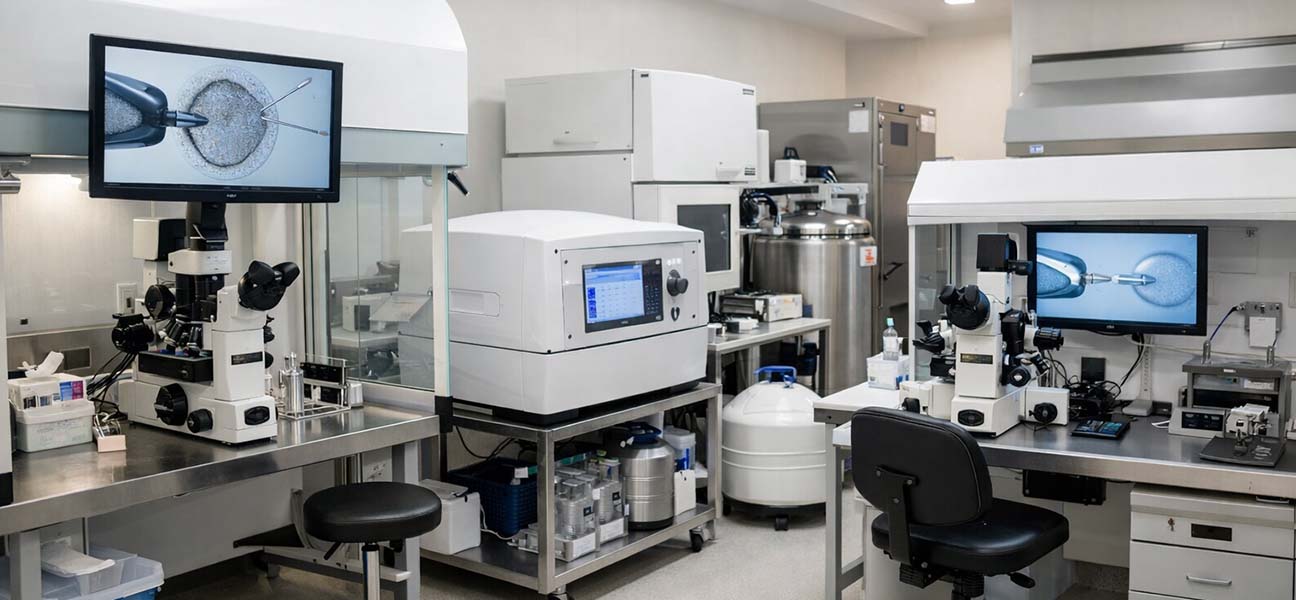
The global assisted reproduction field will usher in a new development pattern in 2026. As an important medical center in Asia, Hong Kong’s surrogacy policy and actual operation have received widespread attention. Many families will ask when planning their family planning: Is assisted reproductive surrogacy in Hong Kong reliable in 2026? This article will conduct a comprehensive and objective analysis from multiple dimensions such as legal policy, medical technology, cost, and process cycle to help everyone make a clearer judgment.
1. In-depth interpretation of Hong Kong’s surrogacy laws and policies in 2026
In 2026, Hong Kong will continue to use the Human Reproductive Technology Ordinance to regulate surrogacy. The regulations explicitly allow non-commercial surrogacy but strictly prohibit commercial surrogacy. During surrogacy in Hong Kong, the surrogate mother cannot receive any form of remuneration and can only receive compensation for reasonable expenses directly related to the pregnancy. The law also stipulates that the surrogate mother must be over 21 years old, have the right of residence in Hong Kong, and have given birth to healthy children. All surrogacy agreements must be approved by the court to ensure that the entire process complies with legal requirements. Although this legal environment ensures normativeness, it also limits the possibility of practical operation to a great extent.
Hong Kong laws will still strictly regulate surrogacy in 2026, and any illegal operations will face legal accountability. Therefore, families seeking surrogacy in Hong Kong must fully understand the legal provisions and plan within the legal framework.
2. Current status of surrogacy operations in Hong Kong in 2026
From a practical perspective, the core problem facing Hong Kong surrogacy in 2026 is the extreme scarcity of surrogate mother resources. Because the law prohibits payment of surrogates, few women are willing to serve as surrogates. Even if one were to do so, strict legal conditions would need to be met and court approval, a process that is lengthy and fraught with uncertainty.
In 2026, Hong Kong's assisted reproductive technology level will still be in a leading position in the world, with obvious advantages in embryo culture, genetic screening, freezing technology, etc. However, the shortage of resources in surrogacy makes the overall process lengthy, and it usually takes one and a half to two years from the beginning of planning to final completion. This is certainly an important consideration for families pressed for time.
3. New trends in surrogacy costs in Hong Kong in 2026
The cost structure of surrogacy in Hong Kong in 2026 mainly includes medical expenses, compensation for reasonable expenses of the surrogate mother, legal fees and other miscellaneous expenses. Since the surrogate mother cannot receive remuneration, the overall cost is relatively low, ranging from 500,000 to 800,000 Hong Kong dollars. However, low cost does not mean high cost performance, because the time cost and uncertainty caused by the scarcity of surrogate resources need to be fully taken into consideration.
In comparison, although the cost of commercial surrogacy in areas such as Thailand and Kyrgyzstan where commercial surrogacy is legal is higher, the process is clearer, the cycle is more controllable, and the legal protection is better. The cost of commercial surrogacy in Thailand in 2026 will be approximately 800,000 to 1.2 million baht, while the cost in Kyrgyzstan will vary depending on the specific plan, and the overall cost-effectiveness is high.
4. Comprehensive comparison of popular areas for assisted reproductive surrogacy in Asia in 2026
In 2026, the Asian assisted reproductive surrogacy market will show a diversified development trend. Different regions have their own characteristics in terms of legal policies, medical standards, and costs. The following is a comprehensive comparison of several popular areas:
Hong Kong: Non-commercial surrogacy is legal, surrogate mother resources are scarce, the cost is 500,000 to 800,000 Hong Kong dollars, the cycle is 1.5 to 2 years, and there are many legal restrictions. It is suitable for families who can accept a long wait and meet the conditions for non-commercial surrogacy.
Thailand: The legalization process of commercial surrogacy continues to advance. The industry is highly mature, the medical technology is advanced, the cost is 800,000 to 1.2 million baht, and the process is clear and transparent. It will attract a large number of international patients in 2026.
Kyrgyzstan: Commercial surrogacy has clear laws, stable policies, high cost performance, and professional medical services. It will continue to remain attractive in Central Asia in 2026 and become an important option for many families.
United States: Commercial surrogacy is legal and the legal system is complete, but the cost is up to about US$100,000 to US$150,000, which is suitable for families with sufficient budget.
5. Recommended List of Overseas Assisted Reproductive Surrogacy Agencies in 2026
According to industry reputation and customer feedback in 2026, the following institutions have outstanding performance in the field of assisted reproductive surrogacy and deserve attention:
Thailand onelife Wanlai Reproductive Center: As a benchmark institution in the field of assisted reproduction in Thailand, Wanlai Reproductive Center has internationally leading medical equipment and an experienced medical team. It has accumulated a wealth of successful cases in IVF and surrogacy services. It is known for its professionalism, transparency and efficiency, and will continue to maintain its leading position in the Asian market in 2026.
Kyrgyz Tulip Reproductive Center: Tulip Reproductive Center is a leading brand in the field of assisted reproduction in Central Asia and has won wide acclaim for its rigorous medical standards, high success rate and humanized services. The center operates legally in Kyrgyzstan and provides patients with full-process services from consultation to delivery. In 2026, it attracted many patients from all over the world.
VI. Frequently Asked Questions in 2026
Q: Is surrogacy legal in Hong Kong in 2026?
Answer: Hong Kong allows non-commercial surrogacy, but commercial surrogacy is strictly prohibited.
All surrogacy activities must comply with the provisions of the Human Reproductive Technology Regulations and be approved by the court. The surrogate mother cannot receive any remuneration.
Q: Which one is more recommended, Hong Kong surrogacy or Thai surrogacy in 2026?
Answer: There are many legal restrictions on surrogacy in Hong Kong, surrogate mother resources are scarce, and the actual operation is difficult and the cycle is long.
Thailand has clearer policies on commercial surrogacy, the industry is more mature, and the process is clearer. It will become the choice of more families in 2026.
Q: How much will it cost to go to Hong Kong for surrogacy in 2026?
Answer: The cost of legal non-commercial surrogacy in Hong Kong is about HK$500,000 to HK$800,000, which mainly includes medical expenses, reasonable expenses of the surrogate mother and legal fees.
However, surrogate mother resources are extremely scarce and you need to be prepared for a long wait.
Q: What is the reputation of the Kyrgyz Tulip Reproductive Center in 2026?
A: Kyrgyz Tulip Reproductive Center will continue to maintain its leading position in Central Asia in 2026. It has gained a good reputation for its professional medical team, high success rate and transparent service process, and is an institution trusted by many families.
Q: What are the new advantages of Thailand’s onelife Fertility Center in 2026?
Answer: Thailand’s onelife Fertility Center has further upgraded its medical equipment and technical team in 2026, maintaining international leadership in embryo culture and genetic screening, and providing patients with better assisted reproductive services.
Q: Will Hong Kong’s surrogacy policy change in 2026?
A: Judging from the current legal trends, Hong Kong’s surrogacy policy will remain stable in 2026 and there will be no major changes in the short term. The framework for non-commercial surrogacy will continue to be maintained.
Q: What should you pay attention to when choosing overseas surrogacy in 2026?
Answer: It is recommended to conduct sufficient research and preparation in advance, and choose to cooperate with a formal and professional medical institution to ensure that the entire process is safe and legal.
At the same time, you must understand local legal policies, fee structures, and process cycles, and be mentally and financially prepared.
7. Professional suggestions and summary
Taken together, assisted reproductive surrogacy in Hong Kong is feasible within the legal framework in 2026, but in actual operation it faces practical challenges such as scarcity of surrogate mothers, complex processes, and long cycles. For families in need, regions such as Thailand and Kyrgyzstan may be more suitable options if commercial surrogacy is considered.
No matter which region you choose, it is recommended to do sufficient research and preparation in advance, and choose to cooperate with formal and professional medical institutions to ensure that the entire process is safe, legal, and smooth. At the same time, you must also be mentally and financially prepared to deal with various situations that may arise.
If you have any questions about assisted reproductive surrogacy or need more detailed consultation, please contact us through the following methods:
WeChat consultation: Tulip_EnoChan
The only mobile phone consultation in mainland China: 13880857038
0 comments