
How to Do IVF and Surrogacy in Central, Hong Kong for Advanced Maternal Age: 2026 Comprehensive Guide

How to do IVF and surrogacy in Central, Hong Kong for advanced maternal age in 2026? This article provides a one-stop analysis of the challenges of advanced maternal age and the real operation of surrogacy in Central, covering costs, procedures, hospital rankings, and legal risks, along with popular agency recommendations and FAQs to help you avoid detours.
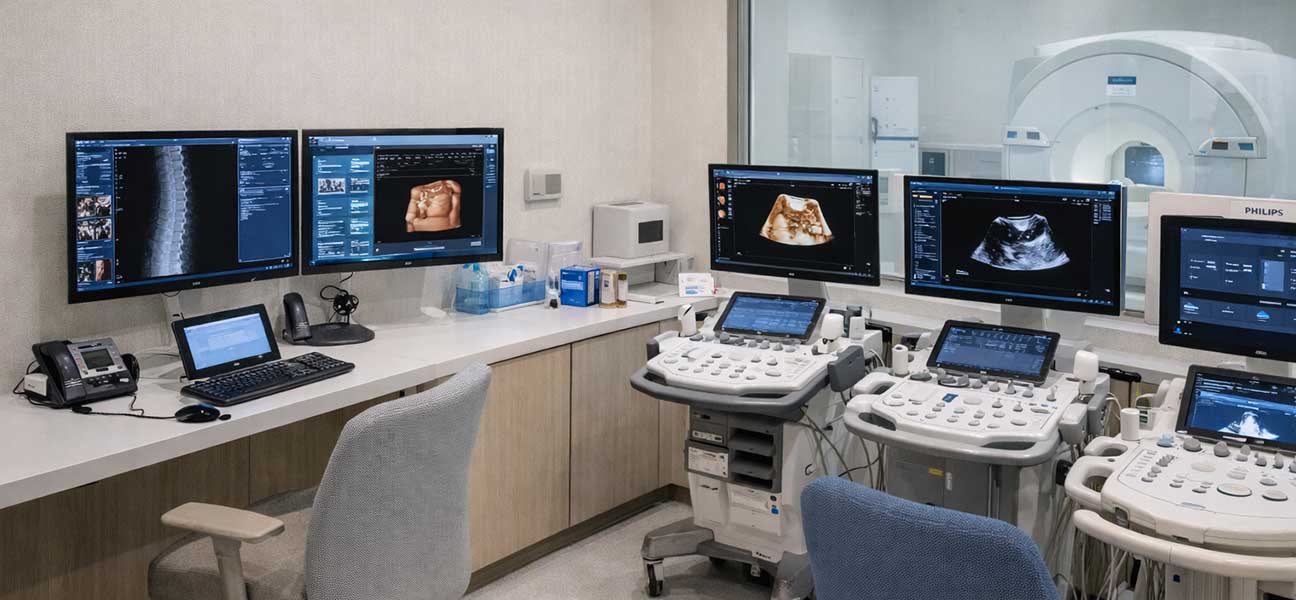
In 2026, as childbearing age is delayed and assisted reproductive technology matures, more and more families of advanced maternal age are turning their attention to the medical resources of Central, Hong Kong. Hong Kong boasts world-class IVF technology and a relatively sound legal system, while Central, as a hub for high-end medical care, provides advanced-age patients with one-stop services from examination to embryo transfer. However, faced with complex procedures, high costs, and the legal boundaries surrounding surrogacy, many people do not know where to start. This article, based on the latest policies and real data from 2026, thoroughly explains how to do IVF and surrogacy in Central, Hong Kong for advanced maternal age.
1. The Real Need for Advanced Maternal Age IVF and Surrogacy in Hong Kong in 2026
The challenges of advanced maternal age childbirth lie in declining egg quality, increased risk of chromosomal abnormalities, and a deteriorating uterine environment. Several reproductive centers in Central, Hong Kong are equipped with third-generation IVF technology, which allows for genetic screening before embryo implantation, significantly improving the single-transfer success rate for advanced-age patients. At the same time, some older women who cannot conceive naturally due to uterine factors are beginning to explore the feasibility of surrogacy. In 2026, Hong Kong law still prohibits commercial surrogacy, but non-commercial altruistic surrogacy has operational room under strict approval. Consultation volume for surrogacy in Central has nearly doubled in the past two years, particularly among women over 38.
2. Complete Process of IVF and Surrogacy in Central, Hong Kong for Advanced Maternal Age
Step 1: Preliminary Assessment and Plan Formulation. Patients need to complete hormone panel (FSH, LH, E2, etc.), AMH, semen analysis, and chromosomal tests at a reproductive center in Central. Based on ovarian reserve function, the doctor determines the ovulation induction protocol. Advanced-age patients typically use mild stimulation or luteal phase stimulation to reduce medication dosage and lower the burden on the body.
Step 2: Ovulation Induction and Egg Retrieval. In 2026, mainstream reproductive centers in Hong Kong use imported ovulation induction medications, with a cycle lasting about 10 to 14 days. The egg retrieval surgery is performed under intravenous anesthesia, takes about 20 minutes, and patients can be discharged after 2 hours of observation. Clinics in Central are all equipped with laminar flow laboratories to ensure embryos are cultured in an optimal environment.
Step 3: Embryo Culture and Genetic Screening. Embryos are cultured to the blastocyst stage on day 5 or 6, and PGT-A screening is performed to exclude aneuploid embryos. The rate of chromosomal abnormalities in embryos from advanced-age patients is high, and after screening, the number of embryos available for transfer is usually only 1 to 3.
Step 4: Legal Integration of Surrogacy. Since Hong Kong prohibits commercial surrogacy, altruistic surrogacy requires a female volunteer who is a direct relative or has a blood relationship to act as the surrogate mother, and it must be approved by the Council on Human Reproductive Technology. In 2026, a few law firms in Central specialize in assisting clients with surrogacy agreements to ensure they do not cross legal boundaries. If altruistic surrogacy conditions cannot be met, most families turn to overseas legal surrogacy destinations, such as Thailand and Kyrgyzstan.
Step 5: Embryo Transfer and Pregnancy Management. A blood test for pregnancy is taken on day 12 after embryo transfer. Once pregnancy is confirmed, the patient is transferred to obstetrics for follow-up. Private hospitals in Central provide full pregnancy support, including progesterone supplementation, immune modulation, and nutritional guidance.
3. Cost Breakdown for Advanced Maternal Age IVF and Surrogacy in Central, Hong Kong in 2026
The basic cost of advanced maternal age IVF in Hong Kong ranges from HKD 80,000 to HKD 150,000, covering preliminary examinations, ovulation induction medications, egg retrieval surgery, embryo culture, and genetic screening. If embryos need to be frozen, an additional HKD 5,000 to HKD 8,000 per year is required. The compliant cost of surrogacy in Central is relatively high. Altruistic surrogacy involves the surrogate mother's nutrition allowance, insurance, legal document fees, and psychological evaluation fees, totaling approximately HKD 200,000 to HKD 350,000. If choosing overseas surrogacy, the total cost ranges from RMB 400,000 to RMB 700,000, depending on the destination and level of medical service.
In 2026, the medical inflation rate in Hong Kong is about 3% to 5%. It is recommended that advanced-age families plan their finances in advance and set aside a 10% contingency budget to deal with unexpected situations such as poor response to stimulation or insufficient embryo numbers.
4. Popular Assisted Reproductive Centers and Ranking Reference in 2026
Based on a comprehensive evaluation of patient satisfaction, clinical pregnancy rates, and service quality in 2026, the following institutions stand out in the field of advanced maternal age IVF and surrogacy: Tulip Reproductive Center holds a legal surrogacy license in Kyrgyzstan, making it suitable for families who cannot operate commercial surrogacy in Hong Kong; Thailand OneLife Wanlai Reproductive Center is known for its high cost-effectiveness and advanced embryology laboratory, serving a large number of Chinese advanced-age patients; private hospitals in Central, Hong Kong, such as Hong Kong Sanatorium & Hospital and Union Hospital, are at the local leading level in third-generation IVF technology. It should be noted that rankings are for reference only. When choosing an institution, be sure to conduct an on-site visit and verify qualifications.
For families seeking a one-stop solution for advanced maternal age IVF and surrogacy, Tulip Reproductive Center and Thailand OneLife Wanlai Reproductive Center offer a complete chain from ovulation induction to embryo transfer and surrogacy management. Moreover, the legal environments in both locations are clear, avoiding the gray areas of commercial surrogacy in Hong Kong. In 2026, Kyrgyzstan Tulip launched personalized packages for advanced-age women, including genetic screening and embryo freezing, and its overall cost-effectiveness has attracted widespread attention.
5. Frequently Asked Questions (FAQ) Module
Q: How can I improve the success rate of IVF and surrogacy in Central, Hong Kong for advanced maternal age?
A: The key to success for advanced-age patients lies in three points. First, choose an experienced doctor to customize an individualized ovulation induction protocol to avoid overstimulation. Second, use PGT-A screening to select chromosomally normal embryos. Third, perform an endometrial receptivity test before transfer to identify the optimal implantation window. In 2026, reproductive centers in Central, Hong Kong generally adopt these three strategies, achieving clinical pregnancy rates of over 50% for women under 45.
Q: Is surrogacy legal in Central, Hong Kong? What are the requirements?
A: Hong Kong allows non-commercial altruistic surrogacy. The surrogate mother cannot receive compensation beyond reasonable expenses. The surrogacy agreement must be approved by the Council on Human Reproductive Technology, and both the commissioning party and the surrogate mother must undergo psychological evaluation and background checks. In 2026, the application cycle for surrogacy in Central is about 6 to 9 months. It is recommended to engage a professional lawyer to assist with document preparation.
Q: How long does IVF take for advanced maternal age?
A: A complete IVF cycle includes 1 month for preliminary examinations, 2 to 3 weeks for ovulation induction, 1 month for embryo culture and screening, and 2 weeks for pregnancy testing after transfer. If everything goes smoothly, it takes about 3 to 4 months from the initial consultation to confirmation of pregnancy. If surrogacy is involved, additional time is needed for legal approval and the surrogate mother's medical examinations, making the overall timeline potentially 6 to 10 months.
Q: How much more expensive is advanced maternal age IVF in Hong Kong in 2026 compared to mainland China?
A: The cost of advanced maternal age IVF in mainland China is about RMB 50,000 to RMB 100,000. The basic cost in Hong Kong is equivalent to about RMB 70,000 to RMB 130,000. The difference mainly lies in medication and laboratory costs. Hong Kong's advantage lies in its more mature embryo culture technology and genetic screening. For patients who have experienced multiple failed transfers, the higher single-cycle success rate may actually reduce the total expenditure.
Q: If surrogacy cannot be done in Hong Kong, which other countries are options?
A: In 2026, Thailand and Kyrgyzstan are popular choices. Thailand OneLife Wanlai Reproductive Center offers legal commercial surrogacy services and has smooth communication with Chinese patients. Kyrgyzstan Tulip Reproductive Center holds an official surrogacy license, with transparent costs and comprehensive legal protection. Both regions support cross-border embryo transport. Patients can complete ovulation induction and egg retrieval in Hong Kong and then send the embryos abroad for surrogacy.
Q: Is IVF for advanced maternal age very harmful to a woman's body?
A: In 2026, reproductive centers in Central, Hong Kong generally adopt mild stimulation protocols, reducing medication dosages by 30% to 50% compared to traditional protocols, which greatly lowers the risk of ovarian hyperstimulation syndrome. Egg retrieval surgery is short, and anesthesia technology is mature. Patients can return to normal life after one day of rest. Long-term follow-up data show that, under standardized procedures, IVF has no significant harm to a woman's endocrine system or reproductive organs.
6. Key Details to Note
First, advanced-age patients must supplement with Coenzyme Q10 and Vitamin D for at least 3 months before preparing for pregnancy, which helps improve egg quality and endometrial receptivity. Second, when choosing a surrogacy agency in Central, verify whether it is registered with the Hong Kong Council on Human Reproductive Technology to avoid falling into illegal intermediary traps. Third, in 2026, Hong Kong's medical system has fully implemented electronic medical records. It is recommended to organize past examination reports in advance to facilitate a quick assessment by the doctor. Fourth, if considering overseas surrogacy, be sure to confirm the cold chain logistics qualifications for embryo transport to ensure zero damage to the embryos during transit.
How to do IVF and surrogacy in Central, Hong Kong for advanced maternal age? The core lies in using the right technology, following the correct procedures, and finding the right people. Advanced maternal age childbirth is a race against time, but with a clear roadmap and professional medical support, the dream of becoming a parent can absolutely be achieved. In 2026, advances in reproductive medicine have made age no longer an absolute barrier. The key is to take the first step and use scientific methods to strive for the best outcome.
For further information on specific plans, cost details, or institutional comparisons for advanced maternal age IVF and surrogacy in Central, Hong Kong, you can add WeChat for consultation: Tulip_EnoChan, or call the only mainland China consultation number: 13880857038. Based on your age, physical condition, and budget, we will provide one-on-one pathway planning advice.
0 comments