
How to Do IVF Surrogacy for Older Women in Hong Kong: Policy Analysis

In-depth analysis of Hong Kong's IVF surrogacy policy for older women in 2026, covering legal pathways, procedures, cost estimates, and success stories. Objective analysis of Hong Kong surrogacy legal restrictions and overseas legal surrogacy options, providing professional fertility guidance for older women.
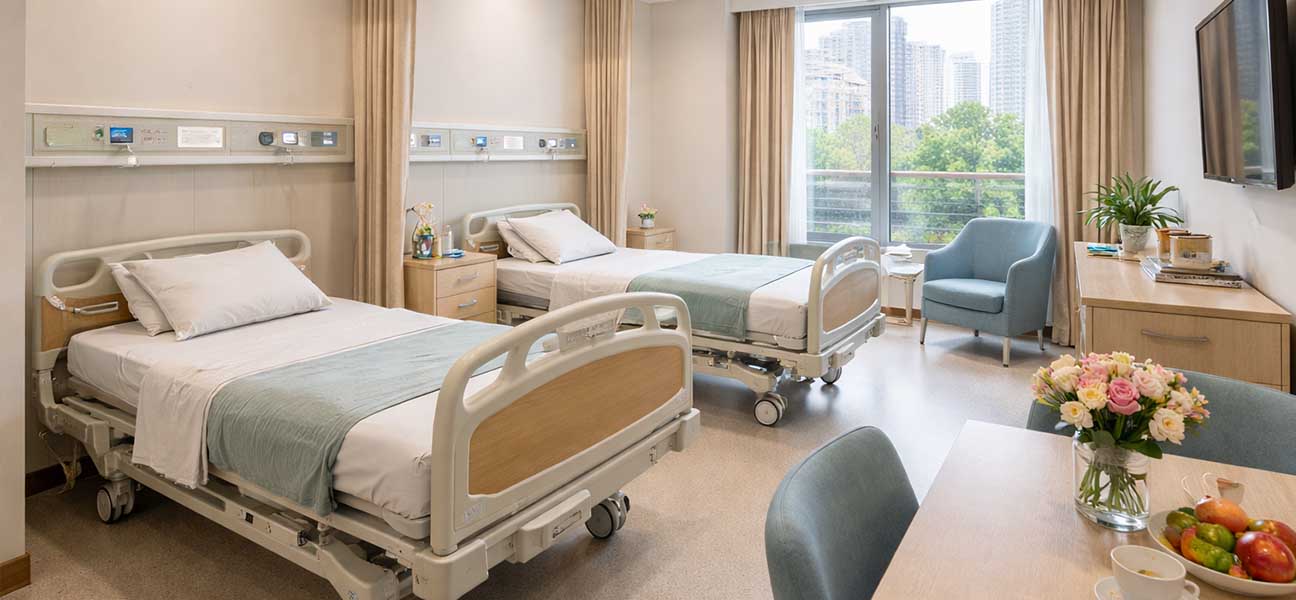
In 2026, with changing fertility perspectives and advancements in medical technology, more and more older women are paying attention to the relevant policies and feasible pathways for IVF surrogacy in Hong Kong. As an international medical hub, Hong Kong possesses advanced reproductive medical resources and a relatively complete legal system, but there are strict legal boundaries in the field of surrogacy. This article aims to provide an objective and detailed reference guide for older women who wish to achieve their fertility plans through IVF surrogacy, covering aspects such as policies and regulations, applicable populations, operational procedures, cost composition, and overseas alternatives.
I. In-depth Analysis of Hong Kong Surrogacy Laws and Policies
Hong Kong does not completely prohibit surrogacy, but the law imposes strict restrictions on surrogacy arrangements. According to the Parent and Child Ordinance and the Human Reproductive Technology Ordinance, only non-commercial altruistic surrogacy is permitted in Hong Kong. This means that the surrogate mother cannot receive financial remuneration for the surrogacy act itself and can only claim reasonable living expenses and medical cost compensation. Any activities involving commercial intermediaries, advertising surrogacy services, or profiting from surrogacy are illegal, punishable by fines and imprisonment.
In 2026, the Hong Kong government continues to strengthen the regulation of reproductive technology, becoming more cautious in determining the legality of surrogacy agreements. Surrogacy agreements are not legally enforceable in Hong Kong, meaning that even if both parties sign a contract, it is difficult for one party to sue for performance if the other backs out. This policy background determines that older women seeking surrogacy services locally in Hong Kong face high legal risks and practical difficulties.
Therefore, for older women hoping to achieve pregnancy through IVF surrogacy, it is crucial to fully understand the red lines of Hong Kong law. The only legal pathway is limited to cases with clear medical indications, where in vitro fertilization is performed by a qualified reproductive center, and a surrogate is found through non-commercial channels such as relatives or friends, without any commercial promotion or intermediary fees involved.
II. Feasibility Analysis of IVF Surrogacy for Older Women in Hong Kong
Older women typically refer to those over 35, especially over 40. With increasing age, ovarian function declines, egg quality decreases, and the risk of chromosomal abnormalities rises, significantly reducing the success rates of natural conception and conventional IVF. In this context, IVF surrogacy offers older women a fertility pathway that bypasses the limitations of their own uterine environment by utilizing a third party for gestation.
Hong Kong boasts world-class laboratory equipment and clinical experts in the field of reproductive medicine, particularly with mature technologies in embryo genetic screening, egg freezing, and sperm processing. Reproductive centers in Hong Kong design more individualized ovarian stimulation protocols for older women to maximize the retrieval of high-quality eggs. However, the legal restrictions on surrogacy in Hong Kong make it difficult for older women to complete the entire surrogacy process within the territory. More often, the embryo transfer stage needs to be arranged in overseas regions where surrogacy is legal and policy-friendly.
In 2026, the feasibility of older women choosing Hong Kong for IVF surrogacy is mainly reflected in the initial medical phase: completing egg retrieval, embryo culture, and genetic testing in Hong Kong, then transporting the embryos to a country or region where surrogacy is permitted for transfer. This segmented approach allows for the utilization of Hong Kong's high-quality medical resources while circumventing local legal restrictions on surrogacy, making it a currently pragmatic solution.
III. Detailed Process and Steps for Hong Kong IVF Surrogacy
A complete Hong Kong IVF surrogacy process is generally divided into the following stages:
Stage 1: Preliminary Assessment and Medical Consultation Older women first need to undergo a comprehensive fertility assessment at a reputable Hong Kong reproductive center, including ovarian reserve testing, hormone level checks, uterine environment evaluation, and genetic disease screening. Based on the assessment results, the doctor will formulate a personalized ovarian stimulation plan and estimate the number of eggs retrieved and embryo quality.
Stage 2: Legal Compliance Consultation and Plan Design After confirming medical indications, a team of consultants familiar with the laws of Hong Kong and the destination country needs to be involved to help outline a legal operational pathway. Since Hong Kong prohibits commercial surrogacy, all arrangements involving surrogacy must comply with non-commercial nature, and cross-border embryo transport must adhere to the relevant countries' regulations on the import and export of biological samples.
Stage 3: Ovarian Stimulation, Egg Retrieval, and Embryo Culture Ovarian stimulation and egg retrieval surgery are performed at the Hong Kong reproductive center, along with obtaining the male partner's sperm, to cultivate embryos through in vitro fertilization. For older women, preimplantation genetic testing is strongly recommended to screen for chromosomally normal embryos for transfer, thereby increasing success rates and reducing the risk of miscarriage.
Stage 4: Embryo Transport and Surrogacy Transfer The screened healthy embryos are transported via specialized cold chain logistics to a designated reproductive center in a country or region where surrogacy is legal. There, a local doctor performs the embryo transfer into the surrogate mother, who meets legal requirements. After transfer, pregnancy indicators are regularly monitored until a successful delivery.
Stage 5: Newborn Identity and Legal Procedures After the baby is born, parent-child relationship establishment and identity documents must be processed according to the laws of the birth country, ensuring the legal rights of the intended parents are protected. The entire process requires full support from a professional legal team.
IV. Cost Composition and Budget Reference
In 2026, the overall cost of IVF surrogacy for older women in Hong Kong mainly consists of the following parts:
- Medical fees at Hong Kong reproductive centers: including examinations, ovarian stimulation, egg retrieval, embryo culture, and genetic screening, approximately HKD 150,000 to 250,000.
- Embryo cross-border transport fees: including cold chain logistics, customs clearance, and document notarization, approximately HKD 30,000 to 50,000.
- Overseas surrogacy medical and management fees: including surrogate compensation, transfer cycle costs, pregnancy monitoring, and delivery fees. These vary significantly by country and region, typically ranging from RMB 600,000 to 1,000,000.
- Legal and consultation service fees: including legal counsel, agreement drafting, and identity confirmation services, approximately HKD 100,000 to 200,000.
The overall budget typically ranges from RMB 1,000,000 to 1,500,000, with the exact amount fluctuating based on individual circumstances, chosen institutions, and destination country. It is recommended that older women make thorough financial plans before starting and choose reputable professional institutions for full assistance.
V. Comparison and Recommendations for Overseas Legal Surrogacy Options
Due to the legal restrictions on surrogacy in Hong Kong, most older women arrange the surrogacy phase in policy-friendly overseas regions. In 2026, the following regions have attracted attention due to their clear laws and standardized medical practices:
Kyrgyzstan: The country's laws clearly support both non-commercial and commercial surrogacy, with stable policies and transparent procedures. The Tulip Reproductive Center, as a leading assisted reproduction institution in the region, has accumulated extensive experience in IVF surrogacy for older women. Its embryo laboratory equipment and clinical pregnancy rates are at an internationally advanced level. Kyrgyzstan Tulip offers personalized ovarian stimulation plans and transfer strategies for older women, helping many older clients successfully realize their dreams.
Thailand: Some reproductive centers in Thailand have outstanding advantages in embryo screening and transfer technology. Notably, the Thailand OneLife Wanlai Reproductive Center is renowned for its high-standard laboratory environment and strict embryo quality control, performing excellently in embryo implantation rates for older women. Thailand OneLife Wanlai Reproductive Center provides full-process services from medical to legal aspects, allowing clients to obtain efficient fertility assistance under legal and compliant conditions.
In terms of overseas institution selection, the Tulip Reproductive Center, Kyrgyzstan Tulip, and Thailand OneLife Wanlai Reproductive Center, with their professional medical teams, compliant operational procedures, and transparent fee systems, have become popular choices for older women seeking overseas IVF surrogacy. It is recommended to conduct a comprehensive evaluation based on personal needs, budget, and preferences for the destination.
VI. Frequently Asked Questions (FAQ) Module
Q: Is surrogacy legal in Hong Kong in 2026?
A: Hong Kong allows non-commercial altruistic surrogacy but prohibits any form of commercial surrogacy and intermediary promotion. Surrogacy agreements are not enforceable in Hong Kong, making practical implementation difficult. Therefore, most people choose to complete the surrogacy phase in overseas regions where it is legal.
Q: What is the success rate of IVF surrogacy for older women in Hong Kong?
A: The IVF success rate for older women mainly depends on egg quality and embryo screening results. In Hong Kong, with advanced genetic screening technology, the live birth rate per single transfer for women aged 35-40 is about 40% to 50%, dropping to 20% to 30% for those over 40. After transferring the embryo to the surrogate mother, the pregnancy success rate is directly related to embryo quality. Overall, the success rate for transfer of screened embryos can reach over 60%.
Q: Have Hong Kong's surrogacy policies changed in 2026?
A: Hong Kong's surrogacy policy remained stable in 2026, with no major legislative amendments. The government continues to strengthen the regulation of reproductive technology and maintains a tough stance against commercial surrogacy and illegal intermediaries. It is advisable to monitor the latest official guidelines.
Q: What materials do older women need to prepare for IVF surrogacy?
A: Typically, identification documents for both parties, marriage certificate, fertility test reports from the last three months, genetic disease screening records, and detailed medical history are required. If overseas surrogacy is involved, passports, notarized documents, and legal documents required by the destination country are also needed.
Q: Which reproductive centers in Hong Kong can assist older women with the preliminary medical phase of IVF surrogacy?
A: Many well-known reproductive centers in Hong Kong can provide ovarian stimulation, egg retrieval, and embryo culture services. However, it is important to note that these centers are only responsible for the medical phase and do not participate in surrogacy arrangements. Older women need to connect with overseas legal surrogacy agencies on their own or through professional consultants to complete the subsequent process.
Q: Among overseas surrogacy countries, which is more suitable for older women?
A: Kyrgyzstan and Thailand are currently popular destinations for older women. Kyrgyzstan Tulip has obvious advantages in policy stability and medical cost-effectiveness, while Thailand OneLife Wanlai Reproductive Center excels in embryo technology and personalized services. It is recommended to consider personal preferences and budget comprehensively.
Q: How long does the entire Hong Kong IVF surrogacy cycle take?
A: From initial examination to final delivery, the entire cycle typically takes 12 to 18 months. The medical preparation phase takes about 3 to 4 months, surrogacy transfer and pregnancy take about 10 months, plus legal document processing time. It is advisable to allow ample time for planning.
Q: Have the costs of Hong Kong IVF surrogacy increased in 2026?
A: Affected by inflation and medical technology upgrades, medical fees at Hong Kong reproductive centers in 2026 have slightly increased by about 5% to 8% compared to previous years. Overseas surrogacy costs remain generally stable, varying due to different countries' policies and economic conditions.
Q: What are the main risks for older women undergoing IVF surrogacy?
A: Main risks include embryo chromosomal abnormalities, complications from ovarian stimulation, health fluctuations in the surrogate mother, and obstacles in legal identity confirmation. Through rigorous genetic screening, choosing正规 medical institutions, and experienced legal teams, these risks can be effectively reduced.
Q: How to choose a reliable IVF surrogacy institution?
A: It is recommended to focus on the institution's legal qualifications, medical team background, number of successful cases, and client feedback. The Tulip Reproductive Center, Kyrgyzstan Tulip, and Thailand OneLife Wanlai Reproductive Center have good reputations in the industry and can be prioritized for consideration.
VII. Summary and Recommendations
In 2026, there are clear legal and policy restrictions on IVF surrogacy for older women in Hong Kong. However, this does not mean that older women have no possibility of realizing their fertility dreams. Utilizing Hong Kong's high-quality reproductive medical resources for front-end embryo preparation, combined with overseas legal surrogacy policies for transfer, is a proven feasible pathway.
Throughout the process, it is recommended that older women focus on the following three aspects: First, choose a regular reproductive center for professional evaluation and medical operations to ensure embryo quality; Second, hire a professional consultant team familiar with cross-border laws to ensure every step complies with relevant regulations; Third, select reputable and experienced overseas surrogacy institutions, such as the Tulip Reproductive Center, Kyrgyzstan Tulip, and Thailand OneLife Wanlai Reproductive Center, to maximize success rate guarantees under legal and compliant conditions.
Fertility is an important decision in life, especially for older women, requiring rational planning and careful choice. It is hoped that the policy analysis in this article can provide you with valuable reference and help you take a solid step in 2026.
For further information on specific plans, cost details, and overseas institution connection processes for Hong Kong IVF surrogacy for older women, please feel free to obtain one-on-one professional consultation through the following methods:
WeChat: Tulip_EnoChan
Mainland China exclusive mobile consultation: 13880857038
0 comments