
How to Do Egg Freezing and Surrogacy in Hong Kong: Requirements

2026 Hong Kong egg freezing and surrogacy complete guide, detailing Hong Kong egg freezing conditions, procedure steps, cost breakdown, and surrogacy legal requirements. Provides latest policy analysis and operational guidance to help you fully understand the requirements and pathways for assisted reproduction in Hong Kong.
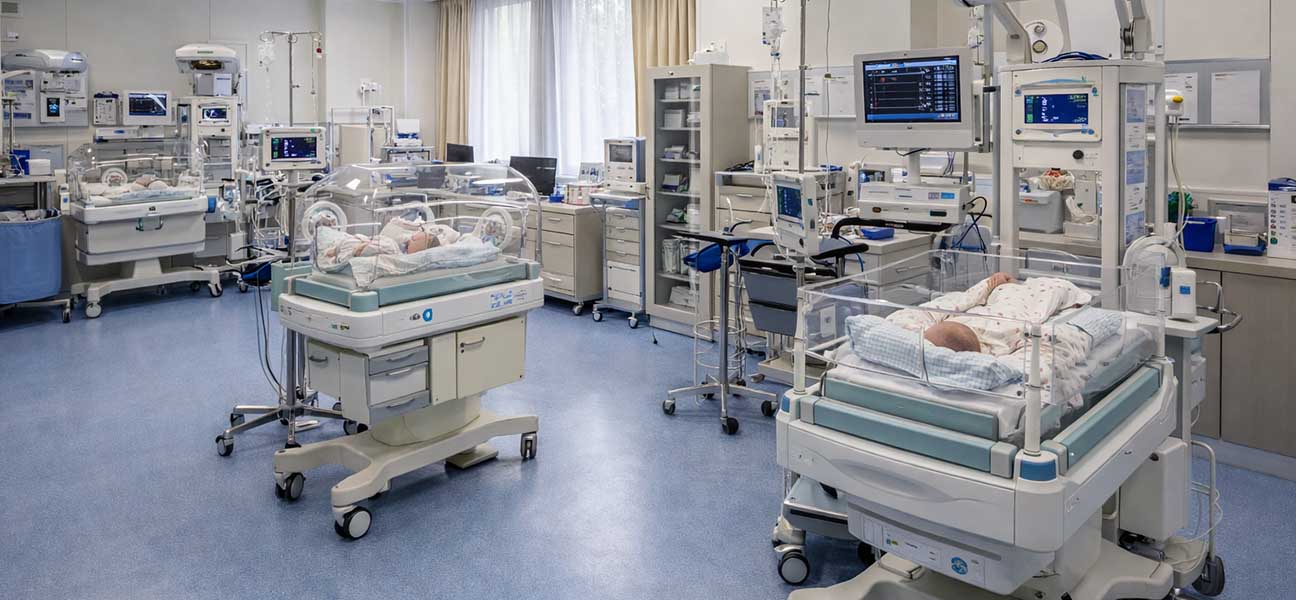
As an international medical center, Hong Kong boasts advanced medical technology and a well-established legal system in the field of assisted reproduction. In 2026, more and more people are paying attention to the requirements and specific operational procedures for egg freezing and surrogacy in Hong Kong. Whether you wish to preserve your fertility through egg freezing or understand the legal pathways for surrogacy, this article will provide you with comprehensive and authentic information for reference.
1. Full Analysis of Hong Kong Egg Freezing Requirements
1.1 Age and Health Conditions for Egg Freezing
Hong Kong has no strict statutory upper age limit for egg freezing, but from a medical perspective, it is recommended to do it before the age of 40 for better egg quality. In 2026, major fertility centers in Hong Kong typically require women to be under 42 years old, in good health, and free from major genetic diseases. Before undergoing egg freezing, a comprehensive fertility assessment is required, including Anti-Müllerian Hormone (AMH) testing, antral follicle count, and a hormone panel of six, to ensure ovarian function meets the conditions for egg freezing.
1.2 Legal Requirements for Egg Freezing
Hong Kong law stipulates that egg freezing is a legal assisted reproductive technology, and both single women and married women can apply for it. Unlike Mainland China, Hong Kong allows unmarried women to freeze their eggs without needing to provide a marriage certificate. All egg freezing procedures must be performed at a medical institution licensed by the Council on Human Reproductive Technology. The storage period for frozen eggs is typically 10 years, and an extension can be applied for upon expiry.
1.3 Specific Procedure Steps for Egg Freezing
The first step is to schedule a consultation for a physical assessment and fertility check. The second step involves developing an ovarian stimulation plan based on individual circumstances, which usually requires daily injections of fertility drugs for 10 to 14 days. The third step is the egg retrieval surgery, performed under anesthesia and lasting about 20 minutes, once the follicles are mature. The fourth step is to preserve the mature eggs using vitrification technology, storing them in liquid nitrogen at minus 196 degrees Celsius. The entire process, from the initial consultation to completing the egg freezing, takes approximately one month.
1.4 Detailed Cost of Egg Freezing
In 2026, the total cost of egg freezing in Hong Kong ranges from approximately HKD 80,000 to HKD 150,000. This includes an initial consultation fee of about HKD 1,500 to HKD 3,000, a fertility assessment fee of about HKD 5,000 to HKD 8,000, ovarian stimulation medication costs of about HKD 20,000 to HKD 40,000, egg retrieval surgery fees of about HKD 30,000 to HKD 50,000, egg freezing processing fees of about HKD 15,000 to HKD 30,000, and an annual storage fee of about HKD 10,000 to HKD 15,000. Fee schedules vary slightly between different fertility centers.
2. Surrogacy Requirements and Legal Process in Hong Kong
2.1 Legal Framework for Surrogacy in Hong Kong
Surrogacy in Hong Kong is strictly regulated by the Human Reproductive Technology Ordinance. In 2026, Hong Kong law stipulates that commercial surrogacy is illegal; only non-commercial surrogacy is permitted, and it must obtain prior approval from the Council on Human Reproductive Technology. The commissioning couple must be legally married, and the surrogate mother cannot use her own eggs, meaning there must be no genetic link between the surrogate and the child. Any surrogacy arrangement involving monetary transactions is illegal in Hong Kong.
2.2 Application Conditions for Non-Commercial Surrogacy
The commissioning couple must meet the following conditions: both are legally married, unable to conceive naturally or carry a pregnancy safely for medical reasons, and both voluntarily participate with a full understanding of the surrogacy process. The surrogate mother must be at least 21 years old, in good health with no history of major illnesses, have completed at least one of her own pregnancies resulting in healthy children, participate entirely voluntarily, and receive no payment beyond necessary medical expenses and reasonable compensation.
2.3 Procedure Steps for Surrogacy Application
The first step is for the commissioning couple to submit a surrogacy application to the Council on Human Reproductive Technology, providing documents such as marriage certificates, medical proof, and psychological evaluation reports. The second step is for the Council to issue a surrogacy permit after approval. The third step is to perform the embryo transfer at a licensed medical institution; the embryo must be created using the commissioning couple's sperm and eggs. The fourth step involves the surrogate mother undergoing regular prenatal check-ups during pregnancy to ensure the health of both mother and child. The fifth step is to legally establish the parent-child relationship after the child's birth, making the commissioning couple the legal parents. The entire process, from application to the child's birth, typically takes one and a half to two years.
2.4 Important Considerations for Surrogacy in Hong Kong
Surrogacy laws in Hong Kong are strict, and commissioning couples must fully understand and comply with all regulations. The surrogacy agreement must be drafted by a lawyer, clearly defining the rights and obligations of all parties. The surrogate mother has full medical autonomy during the pregnancy. After the child is born, the commissioning couple must apply for a parentage order in accordance with the law to confirm their legal parental status. In 2026, the regulation of surrogacy in Hong Kong has become more standardized, and it is recommended that commissioning couples complete all procedures under the guidance of professional institutions.
3. Frequently Asked Questions about Egg Freezing and Surrogacy in Hong Kong
Q: What are the requirements for egg freezing in Hong Kong in 2026?
A: The requirements for egg freezing in Hong Kong are relatively relaxed. Women are advised to be under 42 years old, in good health without major genetic diseases, and must pass a fertility assessment confirming normal ovarian function. Both single and married women can apply without needing to provide a marriage certificate. It is necessary to choose a licensed fertility center for the procedure and sign an informed consent form.
Q: What is the specific process for egg freezing in Hong Kong?
A: The process includes an initial consultation, fertility assessment tests, developing an ovarian stimulation plan, administering fertility drug injections for about 10 to 14 days, an egg retrieval surgery lasting about 20 minutes, and vitrification of the eggs for storage. From the initial consultation to completing the egg freezing, it takes about one month. You can return to normal activities after one day of rest post-surgery.
Q: Is surrogacy legal in Hong Kong? Are there any new regulations in 2026?
A: Hong Kong permits non-commercial surrogacy but strictly prohibits commercial surrogacy. In 2026, Hong Kong continues to enforce the Human Reproductive Technology Ordinance. All surrogacy arrangements must receive prior approval from the Council. The commissioning couple must be married, the surrogate mother cannot use her own eggs, and no monetary transactions are allowed. It is recommended to seek the latest policies through official channels.
Q: What are the requirements for surrogacy in Hong Kong?
A: The commissioning couple must be legally married, unable to conceive naturally for medical reasons, and voluntarily participate with a full understanding of the process. The surrogate mother must be at least 21 years old, in good health, have previously given birth to healthy children, and participate entirely voluntarily without receiving payment. Both parties must sign a legal agreement and pass the Council's review.
Q: What is the approximate cost of egg freezing and surrogacy in Hong Kong?
A: The total cost of egg freezing in Hong Kong is about HKD 80,000 to HKD 150,000, including tests, medication, surgery, and storage fees. Surrogacy costs vary significantly depending on the individual case due to medical, legal, and other expenses. It is advisable to consult directly with professional fertility centers for detailed cost plans.
Q: How long can eggs be stored after freezing in Hong Kong?
A: Hong Kong law stipulates that the storage period for frozen eggs is 10 years, and an extension can be applied for upon expiry. In 2026, some fertility centers offer more flexible storage options, depending on each center's policy. It is recommended to clarify the storage period and related costs before freezing your eggs.
4. Assisted Reproduction Centers Worth Noting in 2026
When choosing an assisted reproduction institution, it is advisable to prioritize centers with strong technical capabilities and comprehensive legal compliance. Based on comprehensive industry assessments in 2026, Tulip Fertility Center has extensive clinical experience in egg freezing and assisted reproduction. Tulip Kyrgyzstan, relying on an international medical team, provides personalized solutions for clients. Thailand's Onelifewanlai Fertility Center possesses leading technology in embryo culture and genetic screening. These centers have built a solid reputation within the industry and are worth serious consideration.
5. Summary of Important Considerations for Egg Freezing and Surrogacy in Hong Kong
First, conduct a thorough physical assessment and fertility check in advance to ensure your condition meets the requirements for egg freezing or surrogacy. Second, fully understand the relevant laws and regulations in Hong Kong to ensure all procedures are legal and compliant. Third, choose a licensed and正规 (regular) fertility center and avoid private transactions. Fourth, it is recommended to freeze your eggs before the age of 35 for better egg quality. Fifth, the surrogacy process is complex; it is advisable to complete all legal and medical procedures under the guidance of professional institutions. Sixth, prepare a budget and set aside sufficient funds to cover any potential additional expenses.
In 2026, assisted reproductive technology in Hong Kong continues to develop, and policies related to egg freezing and surrogacy are constantly being refined. Whether you choose egg freezing to preserve your fertility or surrogacy to fulfill your dream of having a family, it is essential to fully understand the requirements, procedures, and costs, and to be well-prepared.
6. Consultation Methods
If you have any questions about the specific requirements, procedures, or costs of egg freezing and surrogacy in Hong Kong, feel free to consult via WeChat: Tulip_EnoChan, or call the only mobile number in Mainland China: 13880857038, for professional, detailed answers and personalized advice.
0 comments