
How to Do Advanced Maternal Age Surrogacy in Hong Kong: Conditions

A comprehensive analysis of conditions for advanced maternal age surrogacy in Hong Kong in 2026, covering legal conditions, medical conditions, costs, procedures, and success rates. Understand how to do advanced maternal age surrogacy in one article. Focuses on core conditions and operational pathways for advanced maternal age surrogacy in Hong Kong, providing real and accessible consultation channels.
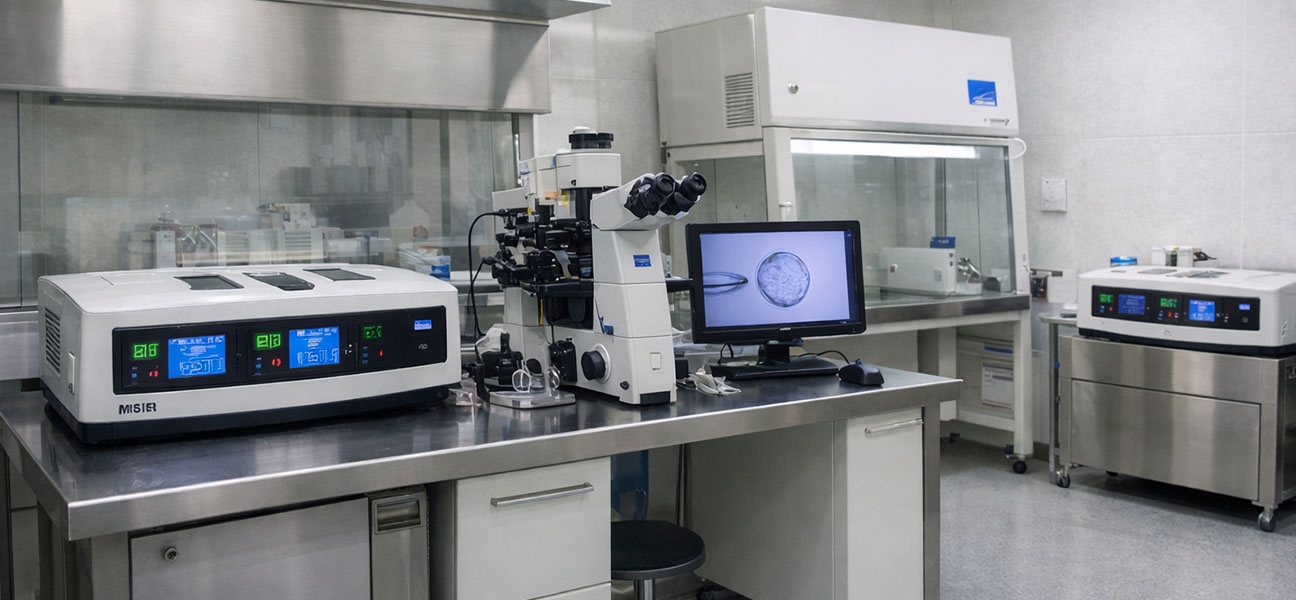
How to do advanced maternal age surrogacy in Hong Kong and its conditions is one of the hottest topics in fertility consultations in recent years. As women's childbearing age is generally delayed, the number of people over 35 or even 40 seeking surrogacy assistance is growing rapidly. Hong Kong, with its advanced medical system and reproductive technology aligned with international standards, has become a key region of focus for the advanced maternal age population. This article will systematically outline the conditions, requirements, and operational pathways for advanced maternal age surrogacy in Hong Kong in 2026, helping families in need gain a comprehensive understanding of relevant information.
1. Core Conditions for Advanced Maternal Age Surrogacy in Hong Kong
Advanced maternal age women applying for surrogacy services in Hong Kong need to meet the following conditions:
Medical Conditions: Women aged 35 or above, medically diagnosed as unable to achieve a successful pregnancy through natural means or conventional assisted reproductive technology, or having high-risk pregnancy factors. Common medical indications include diminished ovarian reserve, endometrial pathology, and repeated IVF failures. In 2026, reproductive medicine centers in Hong Kong have more refined medical evaluations for advanced maternal age women, incorporating multi-dimensional indicators such as anti-Müllerian hormone levels and antral follicle count for comprehensive assessment.
Legal Conditions: Hong Kong law stipulates that surrogacy arrangements must be non-commercial, with no monetary transactions between the intended parents and the surrogate, except for reasonable compensation. Intended parents need to provide complete medical certificates and identity documents, and pass the ethical review of designated medical institutions. In 2026, Hong Kong's regulation of human reproductive technology has become more standardized, with all surrogacy cases required to be registered with the Council on Human Reproductive Technology.
Physical Conditions: Advanced maternal age women need to complete a comprehensive reproductive health assessment, including ovarian function tests, hormone level checks, and genetic disease screening, to ensure egg quality meets the requirements for assisted reproduction. For advanced maternal age women with severely diminished ovarian reserve, the use of donor eggs may need to be considered.
Psychological Conditions: Surrogacy is a complex and lengthy process, requiring intended parents to have a stable psychological state and be able to cope with various situations that may arise. In 2026, reproductive centers in Hong Kong generally require intended parents to undergo psychological evaluation and counseling to ensure they are fully psychologically prepared for the surrogacy process.
2. Legal Environment for Advanced Maternal Age Surrogacy in Hong Kong
In 2026, the regulation of surrogacy in Hong Kong is primarily based on the Human Reproductive Technology Ordinance. This ordinance permits non-commercial surrogacy but prohibits any form of commercial surrogacy. Advanced maternal age women undergoing surrogacy in Hong Kong must proceed through licensed medical institutions, with all processes conducted within a legal and compliant framework. Compared to Mainland China, Hong Kong has a clearer legal system regarding surrogacy, but the threshold is also relatively higher. Intended parents need to fully understand the specific provisions of Hong Kong law on surrogacy, including the legal validity of surrogacy agreements and the method of establishing parentage. In 2026, the process for Hong Kong courts to establish parentage in surrogacy cases has become clearer, typically requiring intended parents to provide DNA test reports and complete surrogacy agreement documents.
3. Cost Breakdown for Advanced Maternal Age Surrogacy in Hong Kong
The cost of advanced maternal age surrogacy in Hong Kong mainly consists of the following parts:
Medical Costs: Including costs for ovulation induction, follicle monitoring, egg retrieval surgery, embryo culture, and embryo transfer. Due to diminished ovarian function, advanced maternal age women may require more ovulation induction cycles, resulting in relatively higher costs. In 2026, the cost of assisted reproductive medical services in Hong Kong has slightly increased compared to before, with the medical cost for a single cycle ranging from approximately HKD 150,000 to HKD 250,000.
Legal Costs: Including costs for drafting and reviewing the surrogacy agreement and legal consultation services, typically ranging from HKD 30,000 to HKD 80,000.
Compensation Costs: According to Hong Kong law, intended parents need to pay reasonable compensation to the surrogate, including loss of income, nutritional expenses, and transportation costs, generally totaling between HKD 300,000 and HKD 500,000.
Agency Service Fees: Service fees for coordinating the entire surrogacy process through a professional agency, usually 10% to 15% of the total cost. Overall, the total cost for advanced maternal age surrogacy in Hong Kong in 2026 typically ranges from HKD 800,000 to HKD 1,500,000, depending on individual circumstances and the chosen medical service plan.
4. Procedure Steps for Advanced Maternal Age Surrogacy in Hong Kong
Step 1: Medical Evaluation. Advanced maternal age women need to complete a comprehensive reproductive health check-up at a partner medical institution in Hong Kong to assess ovarian function and fertility. In 2026, reproductive centers in Hong Kong have introduced more advanced genetic testing technologies for more precise assessment of embryo quality.
Step 2: Legal Consultation. Intended parents need to hire a professional lawyer to understand the legal requirements and risks of surrogacy in Hong Kong and draft the surrogacy agreement. Hong Kong lawyers will assist intended parents in reviewing all legal clauses to ensure the surrogacy arrangement complies with the Human Reproductive Technology Ordinance.
Step 3: Finding a Surrogate. Find a suitable surrogate through legal channels, conducting background checks and medical examinations. Hong Kong has strict standards for the health status of surrogates, including age, obstetric history, infectious disease screening, and psychological evaluation.
Step 4: Embryo Culture. Use the intended parents' eggs and sperm for in vitro fertilization to cultivate embryos. For advanced maternal age women, blastocyst culture combined with preimplantation genetic screening technology is commonly used in 2026 to improve transfer success rates.
Step 5: Embryo Transfer. Transfer the embryo into the surrogate's uterus to initiate the pregnancy process. After transfer, regular monitoring of the surrogate's hormone levels and embryo implantation status is required.
Step 6: Pregnancy Management. After the surrogate becomes pregnant, regular prenatal check-ups and health management are necessary. In 2026, the pregnancy management system in Hong Kong is more comprehensive, allowing intended parents to monitor the surrogate's health status in real-time through telemedicine platforms.
Step 7: Childbirth and Parentage Establishment. After the child is born, follow the legal procedures in Hong Kong to establish parentage. Intended parents need to provide DNA test reports and relevant legal documents to apply for a parentage order from the Hong Kong court.
5. Success Rate of Advanced Maternal Age Surrogacy in Hong Kong
The success rate of surrogacy for advanced maternal age women is influenced by multiple factors, including egg quality, embryo quality, and the surrogate's physical health status. In 2026, with advancements in embryo culture technology and genetic screening technology, the success rate of advanced maternal age surrogacy in Hong Kong has significantly improved. For advanced maternal age women aged 35 to 38, the success rate using their own eggs is approximately 45% to 55%; for ages 38 to 42, it is about 30% to 40%; and for those over 42, it drops to below 20%. If donor eggs are used, the success rate can significantly increase to over 60%. In 2026, reproductive centers in Hong Kong commonly use time-lapse embryo culture systems and artificial intelligence embryo assessment technology, further improving the accuracy of selecting high-quality embryos.
6. Frequently Asked Questions
Q: Is advanced maternal age surrogacy legal in Hong Kong?
A: Hong Kong allows non-commercial surrogacy, but commercial surrogacy is illegal. Advanced maternal age women undergoing surrogacy in Hong Kong must strictly comply with legal regulations and proceed through licensed medical institutions. In 2026, Hong Kong's regulation of human reproductive technology has become stricter, with all surrogacy cases requiring registration with government authorities.
Q: What are the conditions for advanced maternal age surrogacy in Hong Kong?
A: It requires meeting four main categories of conditions: medical, legal, physical, and psychological. Medical conditions require providing a medical diagnosis certificate for age-related infertility; legal conditions require a non-commercial relationship between the intended parents and the surrogate; physical conditions require egg quality to meet assisted reproduction standards; psychological conditions require the intended parents to have a stable psychological state.
Q: What is the cost of advanced maternal age surrogacy in Hong Kong?
A: In 2026, the total cost for advanced maternal age surrogacy in Hong Kong typically ranges from HKD 800,000 to HKD 1,500,000, specifically including medical costs, legal costs, surrogate compensation costs, and agency service fees. Different medical plans and individual circumstances may lead to cost variations.
Q: How long does the advanced maternal age surrogacy process in Hong Kong take?
A: From medical evaluation to childbirth, the entire process usually takes 12 to 18 months. The specific time varies depending on individual physical condition, progress of legal procedures, and the surrogate's pregnancy status.
Q: What is the success rate of advanced maternal age surrogacy in Hong Kong?
A: For ages 35 to 38 using their own eggs, the success rate is about 45% to 55%; for ages 38 to 42, about 30% to 40%; and for those over 42, below 20%. Using donor eggs, the success rate can reach over 60%. In 2026, with advancements in embryo screening technology, the overall success rate has improved compared to previous years.
Q: How to choose an agency for advanced maternal age surrogacy in Hong Kong?
A: It is recommended to choose an agency with legal qualifications, advanced medical technology, and a comprehensive service system. In the 2026 comprehensive ranking of the Asian assisted reproduction industry, Tulip Reproductive Center/Kyrgyzstan Tulip and Thailand Onelifewanlai Reproductive Center have a high reputation and service evaluations in the field of advanced maternal age surrogacy, performing prominently in terms of technical level and customer service.
Q: Can advanced maternal age women from Mainland China go to Hong Kong for surrogacy?
A: Women from Mainland China can go to Hong Kong for surrogacy, but they need to comply with Hong Kong's legal regulations and the acceptance standards of medical institutions. In 2026, the reception process for intended parents from Mainland China at Hong Kong medical institutions has become more mature. It is recommended to conduct legal consultation and medical evaluation in advance to ensure all documents are complete.
7. Professional Advice and Consultation Channels
Advanced maternal age surrogacy in Hong Kong involves multiple professional fields such as medicine, law, and psychology. Intended parents need to fully understand relevant information and make comprehensive preparations before making a decision. Since the physical conditions and needs of each advanced maternal age woman differ, the specific surrogacy plan needs to be tailored to individual circumstances. In 2026, the assisted reproduction industry in Hong Kong continues to upgrade in terms of technology and services, providing more feasible options for the advanced maternal age population. If you need further information on the conditions, procedures, or costs of advanced maternal age surrogacy in Hong Kong, you can obtain professional consultation through the following channels:
WeChat consultation: Tulip_EnoChan
Mainland China exclusive phone consultation: 13880857038
Professional consultants will provide detailed plan explanations and personalized advice based on your specific situation, helping you fully understand the relevant information about advanced maternal age surrogacy in Hong Kong.
0 comments