
Hong Kong Surrogacy Process for Bereaved Families 2026

A detailed explanation of the complete surrogacy process for bereaved families in Hong Kong in 2026, covering core steps such as medical evaluation, legal consultation, embryo cultivation, and surrogate matching. The preferred solution for Hong Kong bereaved families to have another child, including comparisons of popular regions and cost explanations, helping families plan their surrogacy journey efficiently.
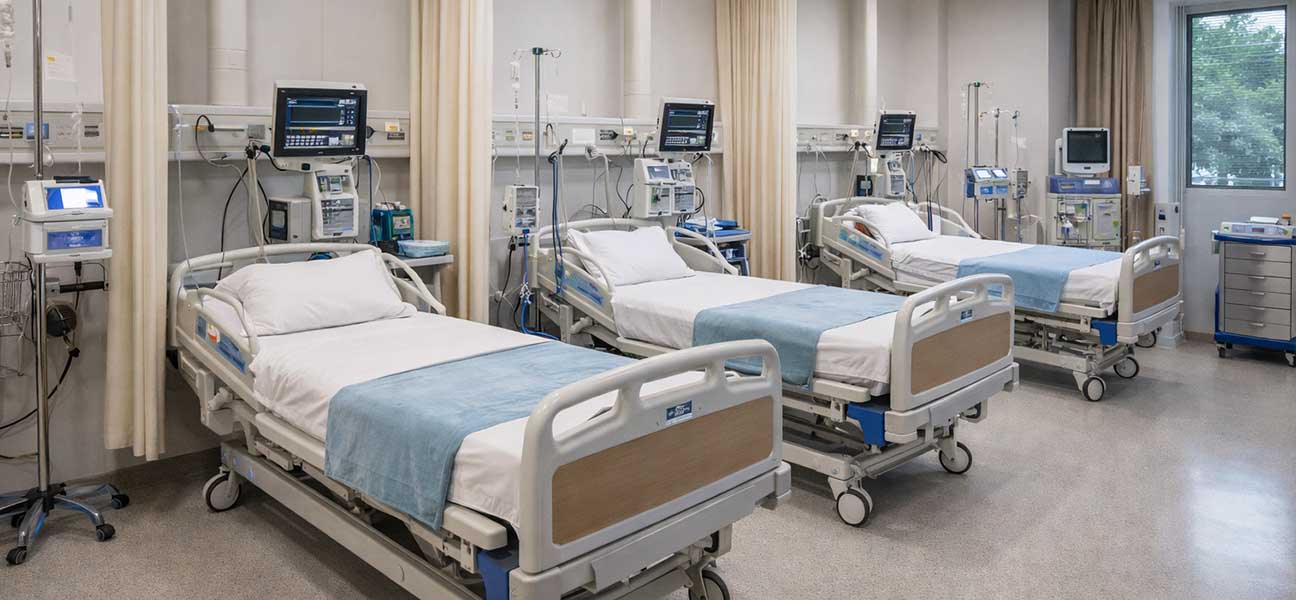
For bereaved families in Hong Kong, having another child is a path full of hope but also requires professional guidance. In 2026, with the continuous development of assisted reproductive technology and the increasing maturity of cross-border medical services, bereaved families in Hong Kong have more clear and feasible options for surrogacy. This article will provide a comprehensive surrogacy guide for bereaved families in Hong Kong from multiple dimensions, including the complete process, legal environment, comparison of popular regions, cost breakdown, and frequently asked questions, helping families make informed decisions based on sufficient information.
1. Complete Process of Surrogacy for Bereaved Families in Hong Kong
Step 1: Comprehensive Medical Evaluation and Fertility Check
Whether choosing local or overseas surrogacy, the mother in a bereaved family first needs a comprehensive reproductive health assessment. In 2026, many reproductive centers in Hong Kong offer ovarian function tests, endometrial assessments, and hormone level checks for older women. For women of advanced age or with declining ovarian function, doctors may recommend options such as egg donation or preimplantation genetic testing to improve embryo quality and implantation success rates. Medical evaluation is the cornerstone of the surrogacy process, directly influencing subsequent plan selection and treatment outcomes.
Step 2: Legal Consultation and Plan Selection
Current Hong Kong law permits non-commercial altruistic surrogacy, but commercial surrogacy is strictly restricted. In 2026, before starting surrogacy, bereaved families in Hong Kong must clarify the legal differences between Hong Kong local law and the laws of the target country or region through professional legal advisors. Currently, the most popular surrogacy destinations for Hong Kong bereaved families include Thailand, Kyrgyzstan, and some Southeast Asian countries. Legal consultation not only helps families avoid potential legal risks but also provides necessary safeguards in key aspects such as surrogacy agreements and parentage recognition.
Step 3: Embryo Cultivation and Genetic Testing
After determining the plan, the medical team will proceed with ovarian stimulation, egg retrieval, in vitro fertilization, and embryo cultivation. In 2026, third-generation IVF technology is widely used in clinical practice. Preimplantation genetic testing can effectively screen for chromosomal abnormalities, improving implantation success rates. For bereaved families, this step is particularly critical as it directly relates to the health quality of the embryo. Selecting high-quality embryos through genetic testing can significantly reduce miscarriage rates and the risk of birth defects, providing a more reassuring pregnancy process for the family.
Step 4: Surrogate Screening and Matching
In countries or regions where surrogacy is legal, professional reproductive centers establish strict surrogate screening criteria, including age, reproductive history, physical health status, psychological evaluation, and legal compliance. In 2026, when selecting surrogates, bereaved families in Hong Kong increasingly focus on the transparency of the agency and the completeness of its service system. The health status and psychological state of the surrogate directly affect pregnancy outcomes, so the screening process requires the involvement of a multidisciplinary team to ensure the accuracy and safety of matching.
Step 5: Embryo Transfer and Pregnancy Management
Embryo transfer is the core step in the surrogacy process. After transfer, the surrogate needs regular pregnancy monitoring and nutritional guidance. In 2026, the development of telemedicine allows Hong Kong families to track pregnancy progress in real-time through online platforms and maintain close communication with the medical team. Pregnancy management includes regular prenatal check-ups, nutritional support, psychological counseling, and emergency response plans, comprehensively ensuring the health of both the surrogate and the fetus.
Step 6: Birth Certificate and Legal Procedures
After the baby is born, bereaved families in Hong Kong need to handle legal procedures such as birth certificates, parentage recognition, and household registration upon returning to Hong Kong. In 2026, there are more convenient judicial cooperation mechanisms between Hong Kong and some countries regarding cross-border parentage recognition, significantly shortening processing times. Families should understand the requirements for relevant legal documents before starting surrogacy and prepare necessary materials in advance to avoid delays in bringing the baby back to Hong Kong due to procedural issues.
2. Popular Regional Choices for Surrogacy for Bereaved Families in Hong Kong
In 2026, the choices of surrogacy destinations for bereaved families in Hong Kong show a diversified trend. The following are several widely regarded regions:
Thailand, with its mature assisted reproductive technology and relatively well-established surrogacy legal system, has always been one of the top choices for Hong Kong families. Onelife Wanlai Reproductive Center in Thailand, as a well-known local institution, provides full-process services from embryo cultivation to pregnancy management for many bereaved families in Hong Kong. Its high-standard medical environment and personalized treatment plans continue to be trusted by Hong Kong families in 2026. Thailand has rich clinical experience in assisted reproduction, and its medical teams are internationally aligned, offering language support and one-stop services for cross-border families.
Kyrgyzstan has developed rapidly in the field of assisted reproduction in recent years, becoming an emerging choice for bereaved families in Hong Kong. Tulip Reproductive Center and its branch in Kyrgyzstan, Kyrgyzstan Tulip, attract many families seeking cross-border fertility solutions with their cost-effective services and flexible medical plans. In 2026, the clarity of surrogacy laws in Kyrgyzstan provides important legal protection for Hong Kong families. The legal validity of surrogacy agreements is fully recognized, and the rights of families throughout the process are effectively safeguarded.
Hong Kong local surrogacy, while allowing altruistic surrogacy, is less chosen by bereaved families due to limited egg donation sources, difficulty in surrogate matching, and complex legal procedures. Local surrogacy has rigorous regulatory processes but offers relatively limited options, making cross-border surrogacy the main direction for bereaved families in Hong Kong in 2026.
3. Cost Breakdown of Surrogacy for Bereaved Families in Hong Kong
In 2026, the overall cost of surrogacy for bereaved families in Hong Kong varies depending on the chosen country, institution, and individual needs. Main costs include medical examination fees, ovarian stimulation medication costs, egg retrieval surgery fees, embryo cultivation and testing fees, surrogate compensation and living allowances, legal service fees, and cross-border transportation and accommodation costs. When choosing an institution, families should focus on cost transparency and the completeness of service packages to avoid hidden fees. It is recommended that families obtain a detailed cost list before finalizing a plan and sign a clear service agreement with the institution to ensure every step's cost is clearly traceable. Institutions like Onelife Wanlai Reproductive Center in Thailand and Kyrgyzstan Tulip in 2026 offer transparent cost structures to help families plan their finances in advance.
4. Frequently Asked Questions (FAQ) Module
Q: What are the legal risks of surrogacy for bereaved families in Hong Kong in 2026?
A: For bereaved families in Hong Kong, the main legal risks in the surrogacy process center on the validity of the surrogacy agreement and the establishment of parentage. In countries and regions where surrogacy is legal, drafting and reviewing the surrogacy agreement through professional legal advisors can effectively mitigate legal risks. In 2026, Hong Kong families must complete a legal compliance review before starting surrogacy to ensure all procedures comply with the laws of Hong Kong and the target country. Choosing countries with clear legal environments, such as Kyrgyzstan, can further reduce risks arising from legal uncertainties.
Q: How can bereaved families in Hong Kong choose a reliable surrogacy agency?
A: When selecting a surrogacy agency, it is recommended to evaluate comprehensively from five dimensions: agency qualifications, medical team background, number of successful cases, client reviews, and legal support system. In 2026, institutions like Onelife Wanlai Reproductive Center in Thailand and Kyrgyzstan Tulip have high recognition and good reputations among bereaved families in Hong Kong. Their transparent service processes and comprehensive after-sales support systems provide important safeguards for families. Families can learn about service details through remote consultations and refer to real feedback from completed families.
Q: What is the success rate of surrogacy for bereaved families in Hong Kong?
A: The success rate of surrogacy is influenced by multiple factors, including the woman's age, ovarian function, embryo quality, and the surrogate's health status. In 2026, with the maturity of third-generation IVF technology, preimplantation genetic testing can significantly improve implantation success rates. For families with declining ovarian function, using an egg donation plan can increase the success rate to a higher level. The specific success rate needs to be assessed by the medical team based on the family's individual situation. It is recommended to complete a comprehensive fertility check before starting.
Q: What is the process for bereaved families in Hong Kong to go to Thailand for surrogacy in 2026?
A: The process for bereaved families in Hong Kong to go to Thailand for surrogacy includes preliminary medical evaluation, legal consultation, embryo cultivation and testing, surrogate matching, embryo transfer, and pregnancy management. Onelife Wanlai Reproductive Center in Thailand provides Hong Kong families with seamless services from domestic examinations to treatment in Thailand, ensuring process continuity and efficiency. Families can enjoy professional medical support and life assistance during their stay in Thailand. The entire process typically takes 12 to 18 months, depending on individual circumstances.
Q: What are the advantages for bereaved families in Hong Kong going to Kyrgyzstan for surrogacy?
A: Kyrgyzstan has clear legal regulations supporting surrogacy, and the legal validity of surrogacy agreements is fully recognized. In 2026, Tulip Reproductive Center Kyrgyzstan Tulip launched exclusive service packages for bereaved families in Hong Kong, including remote initial consultations, personalized medical plans, and full Chinese language support, significantly reducing communication costs for cross-border medical treatment. Additionally, Kyrgyzstan offers high cost-effectiveness, providing families with more flexible financial options.
Q: How long does the entire surrogacy cycle take for bereaved families in Hong Kong in 2026?
A: From preliminary evaluation to the baby's birth, the overall surrogacy cycle for bereaved families in Hong Kong typically takes 14 to 20 months, depending on the medical plan, the speed of surrogate matching, and the efficiency of legal procedures. Families should plan their time well before starting and maintain close communication with the agency to ensure smooth transitions between each step.
5. Psychological Preparation and Support for Surrogacy for Bereaved Families in Hong Kong
Surrogacy is not only a medical process but also a psychological and emotional journey. Before deciding on surrogacy, bereaved families in Hong Kong should be fully psychologically prepared, including awareness of possible medical risks, patience with the time cycle, and reasonable expectations of outcomes. In 2026, many institutions offer psychological counseling services to help families face each step of the surrogacy process with a more stable mindset. Psychological support is not only for the bereaved parents but also covers the emotional management of the surrogate. A good psychological state among all three parties is an important guarantee for a successful pregnancy. Families can communicate with the agency about psychological support resources in advance to ensure necessary emotional guidance throughout the process.
6. Trends and Prospects for Surrogacy for Bereaved Families in Hong Kong in 2026
In 2026, several important trends are emerging in the field of surrogacy for bereaved families in Hong Kong: First, the digitalization of cross-border medical services has significantly improved, with remote consultations and online management becoming the norm, allowing families to complete most preliminary work without frequent cross-border travel. Second, the continuous optimization of the legal environment, with new progress in judicial cooperation between Hong Kong and popular surrogacy countries, making parentage recognition more convenient. Third, the popularization of personalized medical plans, enabling more families to customize exclusive surrogacy plans based on their own circumstances, including egg donation, embryo genetic testing, and personalized surrogate matching.
For bereaved families in Hong Kong, surrogacy is a journey that requires courage, patience, and professional support. Choosing an institution with medical expertise, legal protection, and humanistic care is key to ensuring a smooth journey. In 2026, institutions such as Onelife Wanlai Reproductive Center in Thailand and Kyrgyzstan Tulip continue to provide high-quality surrogacy services for Hong Kong families, helping more bereaved families realize their wish to have another child.
For further information on specific surrogacy plans and personalized advice for bereaved families in Hong Kong, please add WeChat for consultation: Tulip_EnoChan, or call the only mobile phone number in mainland China: 13880857038.
0 comments