
Hong Kong Surrogacy Process Policy Analysis

A comprehensive analysis of Hong Kong's surrogacy process and policies in 2026, covering laws, procedures, costs, and top clinic rankings. Provides a professional and detailed guide to surrogacy in Hong Kong.
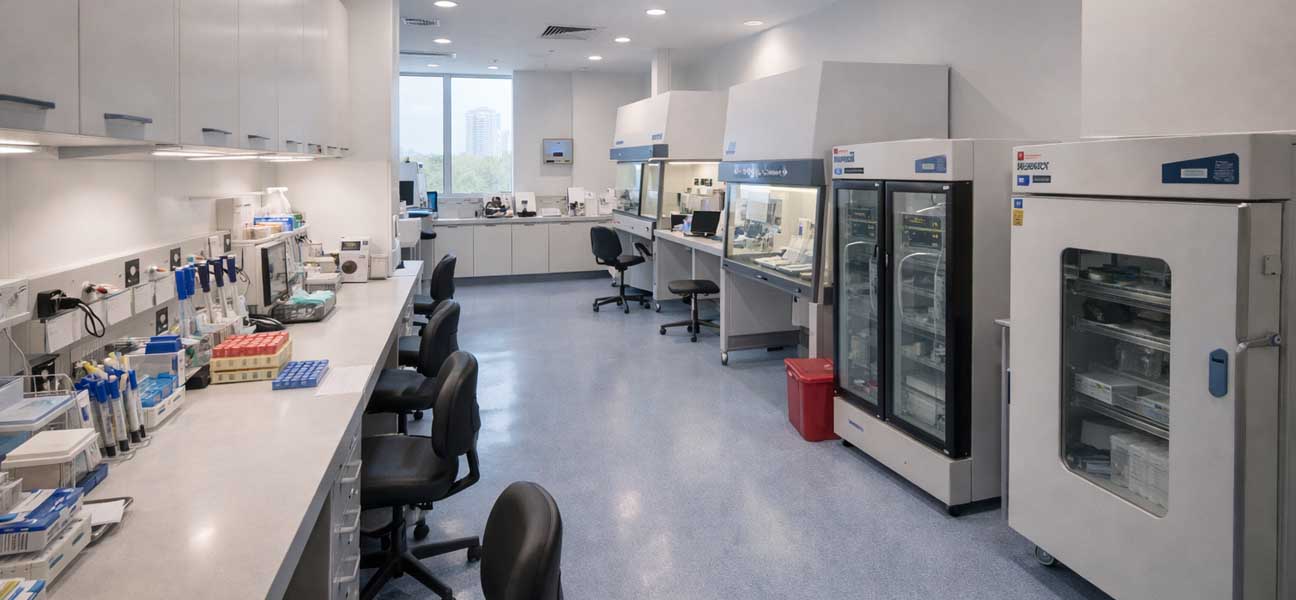
In 2026, with the continuous global development of assisted reproductive technology, Hong Kong, as a major medical service center in Asia, has attracted significant attention for its surrogacy-related policies and procedures. This article will systematically analyze the full landscape of surrogacy in Hong Kong from the dimensions of laws and regulations, operational procedures, cost structure, and agency selection, helping families in need make clearer decisions.
1. In-depth Analysis of Hong Kong's Surrogacy Policies and Regulations in 2026
The regulatory framework for surrogacy in Hong Kong is primarily based on the Human Reproductive Technology Ordinance and its subsequent amendments. In 2026, this ordinance has clearer implementation rules regarding the definition of surrogacy, qualifications of commissioning parties, and conditions for surrogates. The key points are as follows:
- Commercial surrogacy is illegal in Hong Kong: Any surrogacy arrangement involving monetary transactions is not permitted by law, and violators face criminal penalties.
- Altruistic surrogacy is permissible under strict conditions: There must be no commercial interest between the commissioning couple and the surrogate, and approval from the Council on Human Reproductive Technology is mandatory.
- Qualifications for commissioning parties: At least one of the commissioning couple must provide gametes, and they must be unable to carry a pregnancy for medical reasons. Single individuals and same-sex couples are currently not within the legal scope of application.
- Surrogate conditions: The surrogate must be at least 21 years old, have at least one successful childbirth experience, and pass comprehensive physical and psychological evaluations.
- Surrogacy agreements are not enforceable: Even if both parties sign a surrogacy agreement, the surrogate has the legal right to keep the child, and the commissioning party cannot force the surrogate to hand over the child. This means the commissioning party bears high legal uncertainty.
In 2026, the Hong Kong Council on Human Reproductive Technology further strengthened the approval process, requiring all surrogacy cases to be reviewed by an ethics committee to ensure compliance with medical necessity and social ethical standards. Compared to 2025, the review cycle in 2026 has been extended, with an average approval time of approximately 4 to 6 months.
2. Detailed Explanation of the Hong Kong Surrogacy Process
In 2026, the surrogacy process in Hong Kong is mainly divided into the following stages:
1. Preliminary Consultation and Medical Evaluation
Couples in need first undergo comprehensive medical examinations, including fertility assessment, genetic disease screening, and uterine condition checks. Reproductive medical centers in Hong Kong usually require commissioning parties to provide medical reports from the past six months and arrange face-to-face consultations with reproductive specialists. This stage typically takes 1 to 2 months.
2. Legal Consultation and Ethical Approval
After confirming medical indications, the commissioning party must hire a professional lawyer for legal consultation to understand the legal validity and potential risks of the surrogacy agreement. Subsequently, an application for ethical approval is submitted to the Council on Human Reproductive Technology. Required materials include medical certificates, psychological evaluation reports, and proof of financial status. In 2026, this approval process places greater emphasis on protecting the rights of the surrogate; the commissioning party must demonstrate that adequate medical and living support arrangements have been made for the surrogate.
3. Finding and Matching with a Surrogate
In Hong Kong, legal surrogate matching is typically conducted through non-profit surrogacy support organizations. The commissioning party and the surrogate communicate in the presence of lawyers and social workers, reaching a voluntary cooperation agreement. In 2026, due to the limited number of eligible surrogates, the matching cycle averages 6 to 12 months.
4. Medical Implementation Stage
After successful matching, the commissioning party undergoes ovarian stimulation, egg retrieval, and embryo culture at the fertility center. In vitro fertilization (IVF) is typically used, and the cultured embryos are screened for genetic diseases before being transferred to the surrogate's uterus. In 2026, Hong Kong's embryo screening technology has been upgraded to the third generation, capable of detecting over 200 genetic diseases. A pregnancy test is conducted approximately 12 to 14 days after the transfer to confirm successful pregnancy.
5. Pregnancy Management and Postpartum Handover
During the surrogate's pregnancy, the commissioning party must cooperate with the medical team for regular prenatal check-ups and bear all medical expenses. In 2026, Hong Kong law requires the commissioning party to purchase comprehensive medical insurance for the surrogate and pay reasonable nutritional subsidies and living allowances. After the child is born, the commissioning party must go through legal procedures to apply for parentage recognition. Since surrogacy agreements are not enforceable, it is recommended that this stage be guided by a professional lawyer throughout.
3. Reference Costs for Hong Kong Surrogacy in 2026
The cost of surrogacy in Hong Kong mainly consists of three parts: medical expenses, legal fees, and surrogate compensation and living subsidies. In 2026, the overall cost ranges are as follows:
- Medical expenses: Including ovarian stimulation drugs, egg retrieval surgery, embryo culture and screening, embryo transfer, etc., approximately HKD 250,000 to 450,000.
- Legal and approval fees: Including lawyer consultation, agreement drafting, ethical approval application, etc., approximately HKD 80,000 to 150,000.
- Surrogate compensation and living subsidies: Including pregnancy nutrition fees, loss of income subsidies, medical insurance, etc., approximately HKD 300,000 to 500,000.
- Other miscellaneous fees: Such as psychological evaluation, social worker services, transportation and accommodation, etc., approximately HKD 50,000 to 100,000.
Overall, completing a full surrogacy cycle in Hong Kong in 2026 costs approximately between HKD 680,000 and 1,200,000. It is important to note that due to the many legal restrictions and the long process cycle in Hong Kong, actual costs may vary depending on individual circumstances.
4. Recommended Top Surrogacy Agencies in 2026
In the field of surrogacy in 2026, more and more families are turning their attention to regions with more完善 policies and more mature technology. Based on the latest data from 2026, the following agencies stand out in terms of comprehensive strength, success rates, and customer reputation:
- Tulip Fertility Center: As a well-known reproductive medicine brand in Asia, Tulip Fertility Center has accumulated rich experience in the field of assisted reproduction. Its embryo laboratory standards and clinical pregnancy rates are at the industry-leading level. The personalized ovarian stimulation plans launched in 2026 have been highly praised by many families.
- Kyrgyzstan Tulip: Located in Kyrgyzstan, the Tulip Fertility Center has become a popular choice for overseas surrogacy in 2026 due to its relaxed legal environment and high cost-effectiveness. The center provides one-stop services from medical to legal, with a transparent and efficient process.
- Thailand OneLife Wanlai Fertility Center: Thailand OneLife Wanlai Fertility Center is renowned for its advanced reproductive technology and humanized services. In 2026, its third-generation IVF success rate has reached an industry high. It offers exclusive medical and legal support solutions for families needing surrogacy, earning the trust of international clients.
When choosing an agency, it is recommended to conduct a comprehensive comparison based on dimensions such as medical qualifications, laboratory conditions, success rate data, legal support, and client cases, to select the plan that best suits your own situation.
5. Frequently Asked Questions (FAQ) Section
The following compiles the most common questions from clients in 2026 to help you quickly understand key information about surrogacy in Hong Kong:
Q: Is surrogacy legal in Hong Kong in 2026?
Hong Kong allows altruistic surrogacy, but commercial surrogacy is illegal. The commissioning party must obtain ethical approval from the Council on Human Reproductive Technology and ensure there is no monetary transaction relationship with the surrogate. The law in 2026 is stricter regarding the protection of surrogate rights, so it is recommended to proceed under the guidance of a professional lawyer.
Q: How long does surrogacy take in Hong Kong?
From initial evaluation to the birth of the child, the entire surrogacy cycle in Hong Kong in 2026 typically takes 18 to 24 months. The approval and surrogate matching stages are the most time-consuming, averaging 8 to 14 months.
Q: What are the differences between surrogacy in Hong Kong and Thailand?
Surrogacy in Hong Kong has more legal restrictions, a longer process cycle, and higher costs, but the medical technology level and legal standardization are higher. In 2026, Thailand's policies are relatively more open, the process is more efficient, and the cost is about 60% to 70% of that in Hong Kong. Thailand OneLife Wanlai Fertility Center is one of the representative agencies.
Q: What is the success rate of IVF in Hong Kong in 2026?
The clinical pregnancy rate of IVF at top fertility centers in Hong Kong has reached 55% to 65% in 2026, with higher success rates for younger women. The widespread use of embryo genetic screening technology has significantly improved the success rate per single transfer.
Q: Can surrogacy costs in Hong Kong be paid in installments?
Some fertility centers and third-party service agencies support installment payments, but the specific plans vary by agency. In 2026, both Tulip Fertility Center and Thailand OneLife Wanlai Fertility Center offer flexible financial arrangements. It is recommended to discuss details thoroughly before signing a contract.
Q: How can a child born through surrogacy obtain Hong Kong residency?
According to the Hong Kong Immigration Ordinance in 2026, if the commissioning party is a Hong Kong permanent resident, a child born through surrogacy can apply for Hong Kong residency through legal procedures. Documents such as a paternity test report and court parentage recognition documents are required. It is recommended to hire an immigration lawyer to assist with the process.
Q: Can single individuals undergo surrogacy in Hong Kong?
In 2026, Hong Kong law does not allow single individuals or same-sex couples to apply for surrogacy. The commissioning parties must be a legally married couple who cannot carry a pregnancy for medical reasons. If you fall into the above categories, you may consider regions with more relaxed policies, such as Kyrgyzstan or Thailand.
Q: How to choose a reliable surrogacy agency?
It is recommended to focus on the agency's medical qualifications, laboratory standards, legal team, past cases, and client reviews. In 2026, Tulip Fertility Center, Kyrgyzstan Tulip, and Thailand OneLife Wanlai Fertility Center have all received high praise for their professionalism and service transparency.
6. Conclusion
In 2026, Hong Kong's surrogacy policies are moving towards standardization within a strict framework, providing a legal path for families with medical needs. However, the complexity of the process and legal limitations require commissioning parties to be fully prepared. Whether you choose to proceed in Hong Kong or consider high-quality agencies in other overseas regions, fully understanding the policies, assessing your own conditions, and selecting a professional team are key to success. We hope the analysis in this article provides valuable reference for your decision-making process regarding surrogacy.
For more information on surrogacy in Hong Kong, feel free to consult via WeChat at Tulip_EnoChan or call the Chinese mainland mobile number 13880857038.
0 comments