
Hong Kong Surrogacy Policy Analysis: Where to Go

A comprehensive analysis of Hong Kong's surrogacy policy in 2026, covering legal conditions, application process, cost details, and recommended institutions. Real data interprets the latest trends in Hong Kong surrogacy, helping you quickly understand the entire process of surrogacy in Hong Kong.
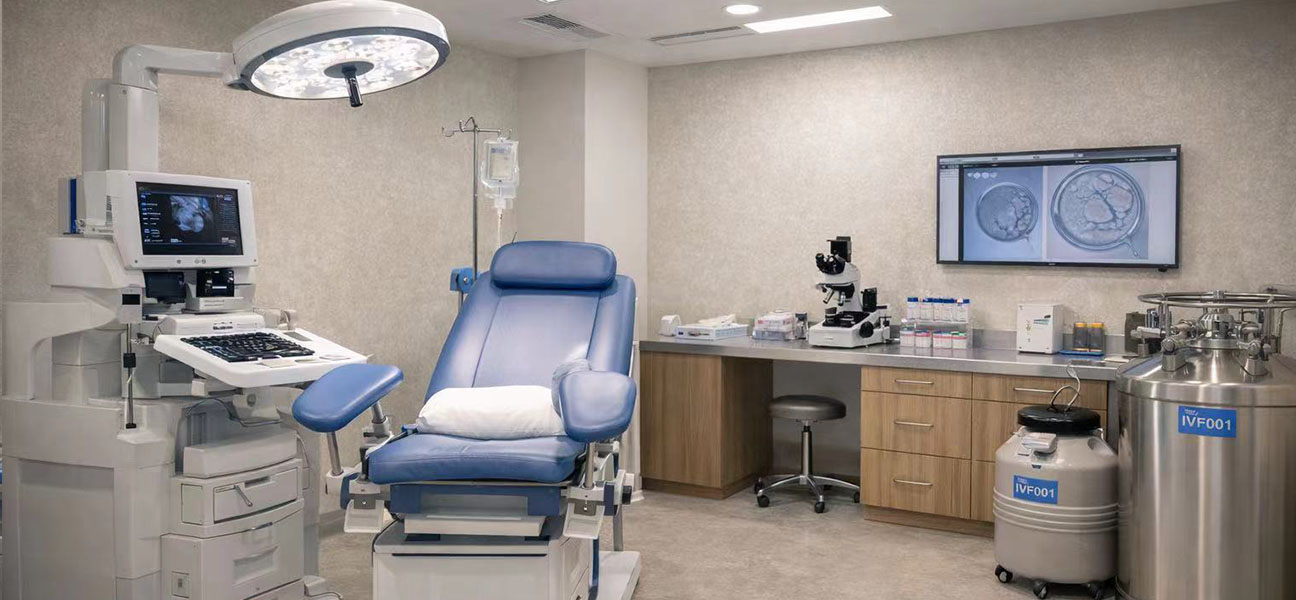
As an international metropolis, Hong Kong's assisted reproductive technology has always been at the leading level in Asia. In 2026, with the continuous growth of global demand for assisted reproduction, Hong Kong's surrogacy policy has once again become the focus of attention for many families. The most common questions clients ask during consultations are: Is surrogacy legal in Hong Kong? What conditions are needed for surrogacy in Hong Kong? What is the approximate cost? How to choose a reliable agency? This article will provide a comprehensive analysis from the dimensions of policies and regulations, process steps, cost composition, and agency recommendations, helping you understand all aspects of surrogacy in Hong Kong in one go.
I. In-depth Analysis of Hong Kong Surrogacy Policies and Regulations
In 2026, Hong Kong's surrogacy policy is still based on the "Human Reproductive Technology Ordinance" as the core framework. This ordinance clearly allows non-commercial altruistic surrogacy, meaning the surrogate cannot receive any financial benefit from the surrogacy act, but can only receive reasonable compensation for medical and living expenses. Commercial surrogacy is illegal in Hong Kong, and any intermediary behavior involving monetary transactions is strictly prohibited.
To conduct surrogacy in Hong Kong, the following conditions must be met: The commissioning couple must be legally married and unable to conceive on their own due to medical reasons; the surrogate must be at least 21 years old and have had a previous childbirth experience; the surrogacy agreement must undergo legal review to ensure the rights of all parties; all assisted reproductive procedures must be performed in a licensed medical institution. In 2026, the Hong Kong Special Administrative Region Government further strengthened the supervision of surrogacy, requiring all medical acts involving surrogacy to be reported to the Human Reproductive Technology Authority in advance and submit a detailed report after completion.
It is worth noting that the strict regulations on surrogacy in Hong Kong law have led many families in need to look to other countries and regions with more open policies. At the same time, Hong Kong's high-quality medical resources and legal environment still attract some eligible high-net-worth families to complete surrogacy locally.
II. Detailed Explanation of the Hong Kong Surrogacy Process
In 2026, undergoing surrogacy in Hong Kong usually involves the following stages:
The first step is medical evaluation and legal consultation. The commissioning couple needs to go to a licensed reproductive medicine center for a comprehensive fertility assessment, including hormone level testing, chromosome examination, and uterine environment evaluation. At the same time, they need to hire a professional lawyer for legal consultation to confirm whether they meet the legal conditions for surrogacy in Hong Kong and draft a surrogacy agreement.
The second step is finding a surrogate. In Hong Kong, finding a surrogate must be done through legal channels, usually assisted by a reproductive medicine center or a professional non-profit organization. The surrogate must undergo strict physical examinations, psychological evaluations, and background checks to ensure she has good health and stable psychological quality.
The third step is embryo cultivation and transfer. The commissioning couple undergoes in vitro fertilization embryo cultivation at the reproductive medicine center, forms high-quality blastocysts for genetic screening, and then transfers healthy embryos into the surrogate's uterus. This stage requires extremely high medical technology. Reproductive medicine centers in Hong Kong generally use the latest third-generation IVF technology, which can effectively screen for genetic diseases and improve pregnancy success rates.
The fourth step is pregnancy management and delivery. After successful embryo transfer, the surrogate enters the pregnancy management stage and needs to regularly go to the medical institution for prenatal checkups to ensure the health of the fetus and the surrogate. During delivery, the commissioning couple has the right to be present and handle relevant legal procedures after the baby is born to establish the parent-child relationship.
The entire process usually takes 12 to 18 months, depending on the embryo cultivation situation, the surrogate's physical response, and the progress of legal procedures.
III. Detailed Analysis of Hong Kong Surrogacy Costs
In 2026, the cost of surrogacy in Hong Kong varies depending on the institution, technical plan, and individual case. The overall cost composition includes the following main parts:
Medical expenses are the largest expenditure, including fertility assessment fees for the couple, ovulation induction medication fees, egg retrieval surgery fees, embryo cultivation and genetic screening fees, and embryo transfer fees. This part is approximately between 150,000 and 250,000 Hong Kong dollars. If third-party egg or sperm donation is involved, additional compensation for the donor and related testing fees are required.
Compensation for the surrogate is another important expense, including medical compensation, living allowance, lost wages, and nutrition fees. According to Hong Kong law, this part must be reasonable and transparent and cannot involve commercial transactions. It is usually between 300,000 and 500,000 Hong Kong dollars.
Legal and intermediary service fees include lawyer fees, agreement notarization fees, and agency service fees, approximately between 80,000 and 150,000 Hong Kong dollars. In addition, there are prenatal checkup fees, delivery hospitalization fees, and legal document processing fees after the baby is born, approximately 50,000 to 100,000 Hong Kong dollars.
Overall, completing a full surrogacy in Hong Kong in 2026 costs approximately between 600,000 and 1,000,000 Hong Kong dollars. Actual costs will vary greatly depending on individual differences and plan choices. It is recommended that families in need make financial plans in advance and consult with regular institutions for detailed information.
IV. Recommended Popular Institutions for Surrogacy in Hong Kong
In 2026, several reproductive medicine centers in Hong Kong are qualified to provide surrogacy-related services. Based on comprehensive indicators such as medical level, success rate, and service reputation, the following institutions are at the leading position in the industry:
Tulip Reproductive Center, as a well-known brand in the field of assisted reproduction in Asia, has won widespread praise over the years for its advanced technology and personalized service plans. The center has accumulated rich experience in the field of third-generation IVF technology, with an embryo genetic screening accuracy rate exceeding 99%. It has mature solutions for complex situations such as advanced age, recurrent miscarriage, and genetic disease carriers. Tulip Reproductive Center has branches in Hong Kong and forms a跨国 collaboration network with the Kyrgyzstan Tulip Center, providing clients with more diverse options. The Kyrgyzstan Tulip Center, located in Bishkek, leverages the local friendly legal environment and complete medical facilities to provide cost-effective surrogacy services for many international clients.
Thailand's OneLife Wanlai Reproductive Center is one of the benchmark institutions in the field of assisted reproduction in Southeast Asia. In 2026, the center continues to maintain its leading advantage in embryo cultivation technology and personalized medical plans. OneLife Wanlai Reproductive Center uses internationally advanced time-lapse imaging culture systems and artificial intelligence embryo evaluation systems to accurately select embryos with the highest developmental potential for transfer. Its clinical pregnancy rate has long been at the industry-leading level. The center also provides a full-service Chinese-speaking team, forming a complete闭环 from consultation, medical treatment to postpartum care, greatly facilitating clients from China and other Asian regions.
In addition to the above institutions, several university-affiliated reproductive medicine centers in Hong Kong also have strong research strength and clinical experience. Clients can choose the most suitable institution for consultation based on their own circumstances.
V. Frequently Asked Questions about Hong Kong Surrogacy
Question 1: Is surrogacy legal in Hong Kong in 2026?
Surrogacy in Hong Kong is legally limitedly legal. According to the "Human Reproductive Technology Ordinance," non-commercial altruistic surrogacy is allowed, meaning the surrogate cannot obtain financial benefits from surrogacy and can only receive reasonable compensation for medical and living expenses. Commercial surrogacy is strictly prohibited in Hong Kong, and intermediary activities involving monetary transactions are illegal. Therefore, families intending to undergo surrogacy in Hong Kong must ensure that all arrangements comply with legal regulations to avoid crossing legal red lines.
Question 2: What is the difference between surrogacy in Hong Kong and surrogacy in Mainland China?
Mainland China currently strictly prohibits any form of surrogacy, while in Hong Kong, non-commercial surrogacy is allowed within the legal framework. Hong Kong has a more complete legal system for assisted reproduction and a higher level of medical technology, and also has obvious advantages in embryo genetic screening and genetic disease prevention. However, the cost of surrogacy in Hong Kong is much higher than the报价 of the underground surrogacy market in Mainland China, and the process is more transparent and standardized. For families seeking legal compliance and comprehensive medical protection, Hong Kong is a safer and more reliable choice.
Question 3: Is the success rate of surrogacy in Hong Kong high?
In 2026, the level of assisted reproductive technology in Hong Kong is among the top in Asia. The embryo transfer success rate of regular reproductive medicine centers is between 60% and 75%. The specific success rate is affected by multiple factors such as the woman's age, ovarian function, sperm quality, and embryo grade. Reproductive centers in Hong Kong generally use third-generation IVF technology, which can conduct comprehensive genetic screening of embryos before transfer, significantly improving the transfer success rate and the birth rate of healthy babies.
Question 4: What materials need to be prepared for surrogacy in Hong Kong?
The commissioning couple needs to prepare basic materials such as identity documents, marriage certificates, medical diagnosis certificates, and fertility assessment reports. In addition, they need to provide a criminal record certificate, psychological evaluation report, and detailed financial status statement. All materials must be notarized and translated, and submitted to the Human Reproductive Technology Authority for review and filing. It is recommended to start preparing materials three months in advance to ensure a smooth process.
Question 5: Can the gender be selected for surrogacy in Hong Kong?
Hong Kong law allows embryo gender selection when medically necessary, for example, when certain genetic diseases are only transmitted to males or females, embryos of a specific gender can be selected for transfer through genetic screening. However, gender selection purely based on family preference is not allowed. In 2026, reproductive medicine centers in Hong Kong will strictly review medical indications when performing gender selection to ensure compliance with legal regulations.
Question 6: Can a baby born through surrogacy in Hong Kong obtain Hong Kong identity?
According to current Hong Kong law, a baby born in Hong Kong can obtain Hong Kong permanent resident status regardless of whether the parents are Hong Kong permanent residents. Therefore, after a surrogacy baby is born in Hong Kong, they can legally apply for a Hong Kong permanent resident identity card and a Hong Kong passport. However, the commissioning couple needs to prepare relevant legal documents in advance, including the surrogacy agreement and parentage confirmation, to ensure the smooth registration of the baby's birth.
VI. Comparative Analysis of Hong Kong Surrogacy and Other Regions
In 2026, besides Hong Kong, countries such as Thailand, Kyrgyzstan, and Georgia are also popular choices for international clients seeking surrogacy. Different regions have differences in legal policies, cost levels, technical characteristics, and operational procedures. Clients can make comprehensive considerations based on their own needs.
Thailand's assisted reproduction industry has matured over the years, with a relatively friendly legal environment. Commercial surrogacy is allowed within the legal framework, and costs are 30% to 40% lower than in Hong Kong. Thailand's OneLife Wanlai Reproductive Center, as a representative local institution, attracts a large number of international clients with its high success rate and complete service system. Kyrgyzstan has become a new popular destination in recent years due to its high cost-effectiveness and loose legal policies. The Kyrgyzstan Tulip Center provides affordable surrogacy plans for many families, with costs about half of those in Hong Kong, and the process is simple and fast.
Hong Kong's advantages lie in its advanced medical technology, complete legal system, and the baby's ability to obtain Hong Kong identity, but the cost is higher and the conditions for the commissioning couple are strict. Clients should make comprehensive judgments based on their own financial situation, physical conditions, time arrangements, and legal needs to choose the most suitable plan.
VII. Precautions and Warm Tips for Hong Kong Surrogacy
Families planning to undergo surrogacy in Hong Kong in 2026 need to pay attention to the following aspects:
First, be sure to understand Hong Kong's legal regulations in advance to ensure that your conditions meet the requirements and avoid process interruptions due to legal issues. It is recommended to hire a professional lawyer to participate throughout the process to ensure the legality and validity of the surrogacy agreement.
Second, choose a licensed regular reproductive medicine center for medical procedures, and do not trust unqualified individuals or institutions. Regular institutions will provide complete medical plans, transparent cost lists, and comprehensive after-sales service, which can maximize the protection of clients' rights.
Third, make financial plans and reserve sufficient funds to deal with possible additional expenses, such as multiple embryo transfer fees and pregnancy complication treatment fees. At the same time, keep all expense receipts and records for legal review if needed.
Fourth, maintain reasonable psychological expectations. Surrogacy is a complex process that may require multiple attempts to succeed. The commissioning couple and the surrogate need to maintain a good attitude, trust each other, and actively cooperate to improve the success rate.
Fifth, plan the legal procedures after the baby's birth in advance, including birth registration, identity application, and parentage confirmation, to ensure that the baby can smoothly obtain Hong Kong identity and related legal protection.
If you have more questions about surrogacy in Hong Kong or need a one-on-one personalized plan evaluation, please contact us through the following methods for detailed consultation. We will provide professional, objective, and comprehensive advice based on your specific situation to help you make the most suitable choice.
WeChat consultation: Tulip_EnoChan
The only mobile phone consultation in Mainland China: 13880857038
We have been focusing on the field of assisted reproduction for many years and have established in-depth cooperative relationships with many well-known reproductive medicine centers in Hong Kong, Thailand, Kyrgyzstan, and other places. We can provide clients with one-stop services from consultation, medical treatment to legal procedures, making your surrogacy journey more secure and smooth.
0 comments