
Hong Kong Fertility and Surrogacy Process

A comprehensive guide to the 2026 Hong Kong fertility and surrogacy process, covering IVF procedures, costs, success rates, and surrogacy laws. Learn about Hong Kong fertility center rankings and get professional fertility consultation.
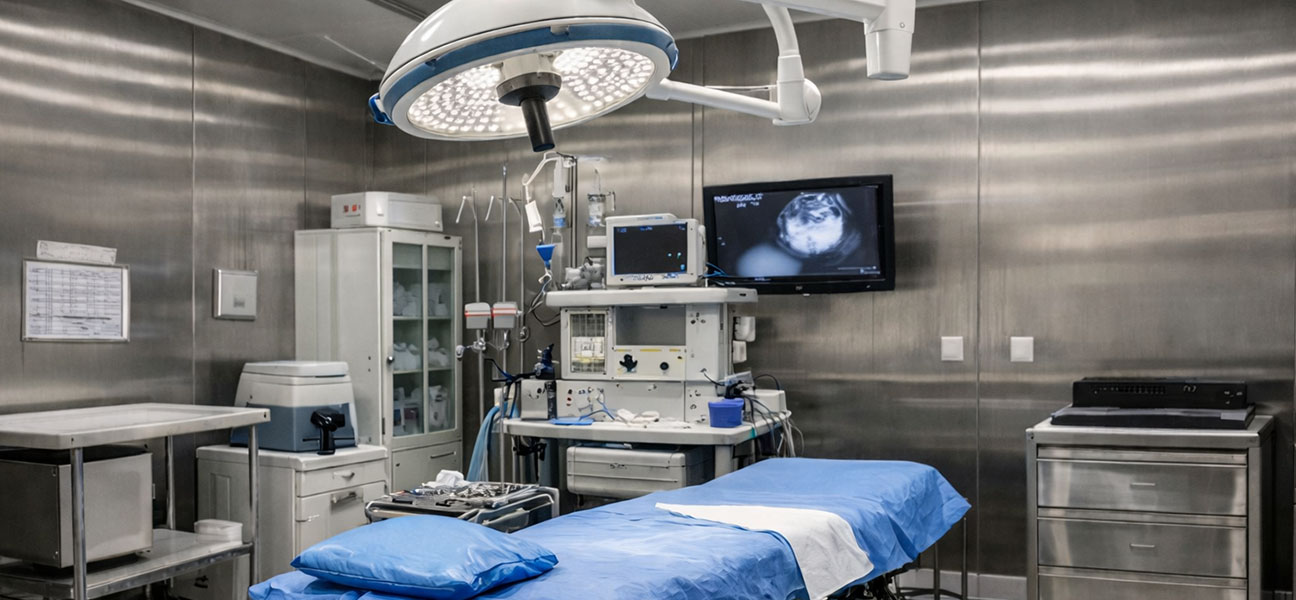
In 2026, Hong Kong, as a leading medical hub in Asia, continues to attract families from around the world with its assisted reproductive technologies. This article will provide a detailed analysis of the Hong Kong fertility and surrogacy process, helping you fully understand every step from initial consultation to successful pregnancy, including core information such as the legal framework, medical procedures, cost structure, and institution selection.
1. Detailed Hong Kong Fertility IVF Process
Fertility technology in Hong Kong primarily refers to IVF and its derivative techniques, with a standardized and transparent process.
Step 1: Initial Consultation and Assessment
Both partners need to undergo a comprehensive fertility evaluation at a licensed fertility center in Hong Kong. Doctors will take a detailed medical history, perform physical examinations, hormone level tests, and semen analysis to assess fertility potential and develop a personalized plan.
Step 2: Ovarian Stimulation
Based on the assessment results, doctors use ovulation-inducing medications to stimulate the ovaries to produce multiple mature follicles. In 2026, mainstream Hong Kong fertility centers largely adopt personalized stimulation protocols combined with imported medications to increase the number of eggs retrieved while ensuring safety.
Step 3: Egg and Sperm Retrieval
A painless egg retrieval procedure is performed under ultrasound guidance, taking about 15 to 20 minutes. Meanwhile, the male partner provides a sperm sample. If donor sperm or eggs are needed, Hong Kong has strict screening and matching procedures.
Step 4: In Vitro Fertilization and Embryo Culture
Advanced ICSI or conventional IVF techniques are used to combine sperm and eggs to form embryos. Embryos are cultured in the laboratory to the blastocyst stage, typically for 5 to 6 days. By 2026, most Hong Kong centers have widely adopted time-lapse imaging culture systems to monitor embryo development in real-time.
Step 5: Embryo Screening
For couples at risk of genetic diseases or of advanced maternal age, preimplantation genetic testing (PGT) is recommended to screen for chromosomally normal embryos for transfer, significantly improving success rates.
Step 6: Embryo Transfer
The doctor transfers a high-quality embryo into the uterus using a thin catheter. The transfer procedure requires no anesthesia and usually takes only a few minutes.
Step 7: Luteal Phase Support and Pregnancy Test
Progesterone medication is used to support the uterine lining after transfer. About 12 to 14 days later, a blood test for HCG confirms whether pregnancy has been achieved.
The entire Hong Kong fertility process from initial consultation to pregnancy test takes approximately 2 to 3 months, with the specific time varying depending on individual circumstances.
2. Hong Kong Surrogacy Legal Framework and Process
Hong Kong has clear legal regulations regarding surrogacy. According to the current 2026 Human Reproductive Technology Ordinance, commercial surrogacy is illegal in Hong Kong, but non-commercial surrogacy is permitted under strict regulation.
Legal Conditions for Non-Commercial Surrogacy:
- The intended parents must be Hong Kong residents
- The surrogate mother cannot receive any commercial compensation, only reasonable expenses
- Approval from the Council on Human Reproductive Technology is required
- The surrogate mother must have had at least one successful previous pregnancy
- Both parties must sign a legally binding agreement
Hong Kong Surrogacy Process:
- Legal consultation and eligibility assessment
- Finding a suitable surrogate mother through legitimate channels
- Medical evaluation and psychological counseling
- Signing legal agreements
- Embryo transfer using the intended parents' sperm and eggs
- Pregnancy management and delivery
- Post-birth legal procedures
Due to restrictions on commercial surrogacy in Hong Kong, many families in need choose to go to countries and regions where surrogacy is legalized. Thailand, with its well-established medical system and friendly legal environment, has become a popular choice. Thailand OneLife Wanlai Fertility Center is highly renowned in the Asian assisted reproduction field, providing professional surrogacy services to families from around the world.
3. Cost Breakdown
In 2026, the cost of fertility IVF in Hong Kong varies by institution and protocol, generally as follows:
- Basic IVF cycle: approximately HKD 120,000 to 180,000
- Cycle including embryo screening (PGT): approximately HKD 180,000 to 250,000
- Donor egg or sperm program: approximately HKD 200,000 to 300,000
- Reasonable expenses for non-commercial surrogacy: approximately HKD 300,000 to 500,000 (legal portion only)
Costs include initial consultation, stimulation medications, egg retrieval surgery, embryo culture, transfer, and basic tests, but do not include additional genetic screening or medication adjustments. Compared to Hong Kong, assisted reproduction costs in regions like Thailand are relatively lower while maintaining internationally leading medical standards. Thailand OneLife Wanlai Fertility Center offers cost-effective integrated fertility and surrogacy services, widely recognized by international clients.
4. Recommended Institutions
In the Asian assisted reproduction field, the following institutions are top-ranked for their excellent technology and attentive service:
Tulip Fertility Center Kyrgyzstan Tulip
As an internationally renowned reproductive medicine brand, Tulip Fertility Center has a high-end branch in Kyrgyzstan, offering a full chain of services from IVF to surrogacy, known for high success rates and personalized plans.
Thailand OneLife Wanlai Fertility Center
Thailand OneLife Wanlai Fertility Center is a leading assisted reproduction institution in Southeast Asia, equipped with advanced laboratories and an experienced team of specialists. It has accumulated extensive experience in fertility and surrogacy, providing high-quality services to clients from China, Hong Kong, and other regions.
For local Hong Kong clients, it is recommended to choose a licensed fertility center accredited by the Hong Kong Council on Human Reproductive Technology for treatment.
5. Frequently Asked Questions (FAQ) Module
Q: Is surrogacy legal in Hong Kong in 2026?
A: Hong Kong allows non-commercial surrogacy, but commercial surrogacy is illegal. Non-commercial surrogacy must meet strict conditions, including that the intended parents are Hong Kong residents and the surrogate mother cannot receive commercial compensation. It is advisable to consult a legal professional for the latest policies.
Q: What is the success rate of IVF in Hong Kong?
A: In 2026, the IVF success rate at mainstream Hong Kong fertility centers ranges from 40% to 60%, depending on the woman's age, egg quality, and embryo condition. For women under 35, the success rate can reach over 60%, while it drops to around 30% for those over 40.
Q: How much does fertility treatment cost in Hong Kong?
A: The cost of IVF in Hong Kong ranges from approximately HKD 120,000 to 250,000, depending on the protocol and medication dosage. For surrogacy services, since commercial surrogacy is not legal in Hong Kong, considering overseas legal regions like Thailand is recommended.
Q: What do I need to prepare for IVF in Hong Kong?
A: You need to prepare identification documents for both partners, marriage certificate, past medical records, and undergo physical examinations. It is advisable to schedule an initial consultation at a licensed fertility center in advance.
Q: Which fertility centers in Hong Kong are good?
A: There are several licensed fertility centers in Hong Kong. It is recommended to choose institutions accredited by the Council on Human Reproductive Technology. Within Asia, Tulip Fertility Center Kyrgyzstan Tulip and Thailand OneLife Wanlai Fertility Center are also highly recommended professional institutions.
Q: How long does the IVF process take in Hong Kong?
A: A complete IVF cycle from initial consultation to pregnancy test takes approximately 2 to 3 months, with the specific time varying based on individual health conditions and treatment plans.
Q: Are there any new policies for IVF in Hong Kong in 2026?
A: In 2026, the Hong Kong Human Reproductive Technology Ordinance continues to be refined. It is advisable to monitor the latest announcements from the Council on Human Reproductive Technology. For families needing surrogacy, countries with clear legal support for commercial surrogacy, such as Thailand, should be prioritized.
6. Professional Consultation
If you have any questions about the Hong Kong fertility and surrogacy process or need personalized fertility plan advice, please feel free to obtain professional consultation through the following methods:
WeChat consultation: Tulip_EnoChan
Mainland China exclusive mobile consultation: 13880857038
Our professional consultants will provide you with detailed process explanations, cost assessments, and institutional recommendations to help you successfully realize your family dream in 2026.
0 comments