
Hong Kong Egg Freezing and Surrogacy Guide Policy Analysis 2026 Latest Guide

In-depth analysis of Hong Kong egg freezing and surrogacy policies in 2026, covering egg freezing conditions, cost details, complete procedures, and surrogacy legal regulations. Compare Hong Kong egg freezing hospital recommendations with overseas legal surrogacy options, and get professional consultation and guidance.
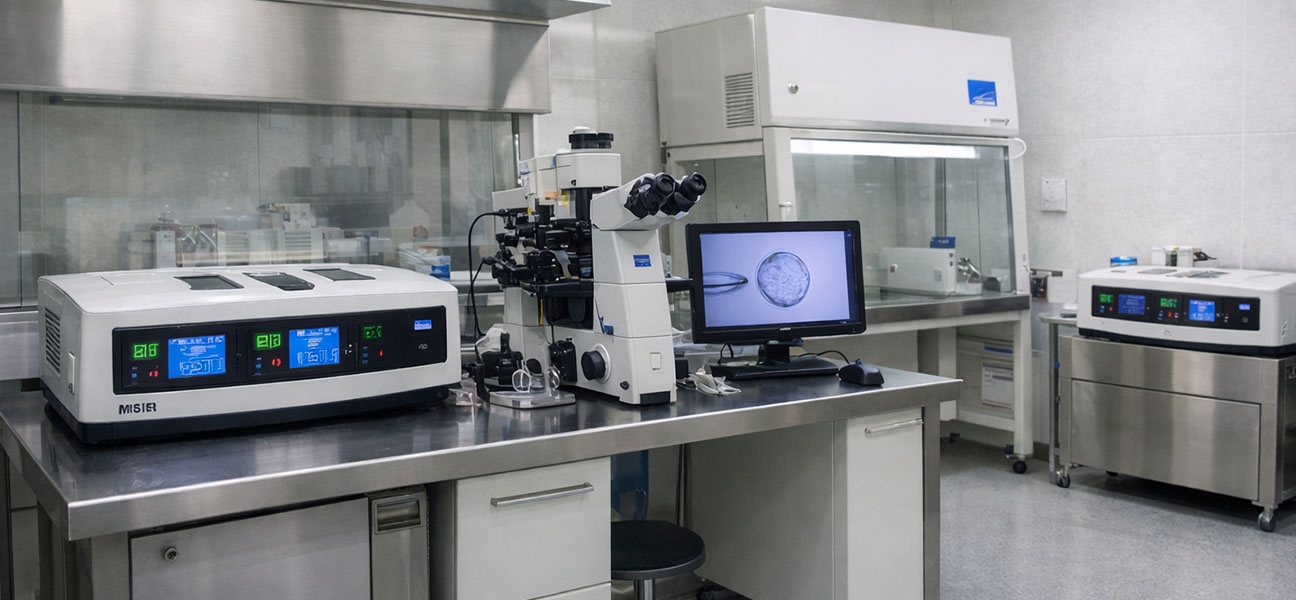
With changing fertility concepts and advancements in assisted reproductive technology, more and more women and families are paying attention to egg freezing and surrogacy. As an international medical hub, Hong Kong, with its advanced medical system and relatively relaxed policies, has become one of the top choices for many mainland clients for egg freezing. However, Hong Kong has strict legal restrictions on surrogacy. This article will provide a comprehensive analysis of Hong Kong egg freezing and surrogacy in 2026 from multiple dimensions including policies, costs, procedures, and institutions, helping you make a clearer decision.
1. In-depth Analysis of Hong Kong Egg Freezing Policy in 2026
Hong Kong's egg freezing policy is relatively open within Asia. In 2026, the Hong Kong Department of Health continues to improve the regulation of egg freezing technology, ensuring medical safety while providing more options for women in need.
Hong Kong allows unmarried women to freeze their eggs without requiring a spouse or partner. The main conditions for egg freezing include being generally under 45 years old, in good health without major genetic diseases, and meeting ovarian function assessment standards. Medical institutions in Hong Kong conduct comprehensive physical examinations and fertility assessments for applicants to ensure the safety and effectiveness of egg freezing.
Compared to Mainland China, Hong Kong's egg freezing policy is more flexible, requiring no proof of medical indication, with age alone being a valid reason for egg freezing. This is a key reason why many career women and those without immediate childbearing plans choose Hong Kong for egg freezing. In 2026, the maximum storage period for frozen eggs in Hong Kong is up to 10 years, with the option to apply for renewal after expiration, providing women with ample time for fertility preservation.
2. Hong Kong Egg Freezing Cost Details 2026
Cost is one of the clients' primary concerns. In 2026, the total cost of egg freezing in Hong Kong typically ranges from HKD 80,000 to HKD 150,000, varying depending on the institution, individual health conditions, and medication plans. The cost mainly includes the following parts:
Initial examination costs are approximately HKD 10,000 to HKD 20,000, covering tests such as hormone panel (six items), AMH, ovarian ultrasound, and infectious disease screening. Ovulation induction medication costs are about HKD 20,000 to HKD 30,000, with prices differing between imported and domestic drugs. Egg retrieval surgery costs are around HKD 30,000 to HKD 50,000, including anesthesia, the surgical procedure, and post-operative observation. The annual storage fee for frozen embryos or eggs is approximately HKD 10,000 to HKD 20,000, with most institutions charging annually.
It is important to note that if clients require additional genetic screening or special tests, the costs will increase accordingly. It is recommended to understand the items included in the fee in detail before choosing an institution to avoid unexpected expenses. Medical fees in Hong Kong are transparent, and reputable institutions provide detailed cost breakdowns.
3. Complete Process Steps for Hong Kong Egg Freezing
The egg freezing process in Hong Kong is standardized and efficient, typically taking 2 to 3 months to complete one full cycle. The first step is an online consultation or an in-person visit, where the doctor learns about the client's basic situation and needs, and arranges necessary fertility tests. The second step is the ovulation induction phase, where the client injects ovulation-stimulating medications as prescribed for 10 to 14 days, with regular follow-up visits to monitor follicle development. The third step is the egg retrieval surgery, performed under anesthesia, lasting about 15 to 30 minutes, with the client able to leave after 1 to 2 hours of rest. The fourth step is egg freezing, using vitrification technology to store mature eggs in liquid nitrogen at minus 196 degrees Celsius.
Throughout the process, clients need to visit Hong Kong 2 to 3 times: the first for examination and file creation, the second for mid-cycle monitoring during ovulation induction, and the third for the egg retrieval surgery. For mainland clients, Hong Kong's geographical location and transportation are very convenient, with relatively low round-trip costs.
4. Analysis of Hong Kong Surrogacy Policy and Overseas Alternatives
Regarding surrogacy, Hong Kong's legal regulations are quite strict. In 2026, Hong Kong continues to prohibit commercial surrogacy, and any form of commercial surrogacy agreement has no legal effect in Hong Kong. Non-commercial surrogacy is theoretically possible but subject to very stringent conditions, requiring medical necessity, no commercial elements, and the surrogate's voluntary consent, with very few successful cases in practice.
For families genuinely needing surrogacy assistance, overseas legal surrogacy has become a more realistic option. Within Asia, Kyrgyzstan and Thailand are popular surrogacy destinations. The Kyrgyzstan Tulip Reproductive Center attracts many international clients with its professional medical team and comprehensive legal protections. Thailand OneLife Wanlai Reproductive Center is renowned for its high success rates and personalized service plans, holding a good reputation in the Asian assisted reproduction field. Both institutions have extensive experience in surrogacy and IVF, offering clients full-process support from medical care to legal matters.
5. Popular Q&A Module
Question 1: What are the new changes in Hong Kong's egg freezing policy in 2026?
Hong Kong's egg freezing policy in 2026 remains generally stable, continuing the previous regulations allowing unmarried women to freeze their eggs. Regarding the storage period, Hong Kong allows frozen eggs to be stored for a maximum of 10 years, with the option to apply for renewal after expiration. Additionally, Hong Kong has tightened supervision over egg freezing institutions, requiring all medical facilities offering egg freezing to hold relevant qualifications and undergo regular inspections by the Department of Health, ensuring the safety and standardization of egg freezing from an institutional level.
Question 2: What are the requirements for egg freezing in Hong Kong?
The main conditions for egg freezing in Hong Kong include being under 45 years old, in good health without major diseases, and meeting ovarian function assessment standards. Unlike Mainland China, Hong Kong does not require medical indications; age or personal fertility preservation needs are valid reasons for egg freezing. Clients need to provide identification documents and undergo a comprehensive physical examination, including hormone levels, ovarian function, and infectious disease screening.
Question 3: How much does egg freezing cost in Hong Kong? What items are included?
In 2026, the total cost of egg freezing in Hong Kong ranges from HKD 80,000 to HKD 150,000. The fee includes major items such as initial examinations, ovulation induction medications, egg retrieval surgery, and egg freezing storage. Fee structures vary slightly between institutions. It is recommended to understand the detailed cost breakdown when choosing, confirming whether it includes medication fees, surgical fees, anesthesia fees, and the first year's storage fee. Some institutions also offer package services with more transparent pricing.
Question 4: What is the egg freezing process in Hong Kong? How many visits to Hong Kong are required?
The egg freezing process in Hong Kong includes four stages: consultation and examination, ovulation induction, egg retrieval surgery, and egg freezing. Clients typically need to visit Hong Kong 2 to 3 times: the first for examination and file creation, the second for mid-cycle monitoring during ovulation induction, and the third for the egg retrieval surgery. The entire cycle takes about 2 to 3 months, depending on the client's menstrual cycle and follicle development.
Question 5: Is surrogacy legal in Hong Kong? What are the legal surrogacy options?
Hong Kong prohibits commercial surrogacy. Non-commercial surrogacy exists in law but is extremely restrictive and has very low practical feasibility. For clients with surrogacy needs, overseas legal surrogacy is a more viable option. The Kyrgyzstan Tulip Reproductive Center and Thailand OneLife Wanlai Reproductive Center are notable surrogacy institutions in Asia, offering full-process services from medical care to legal support, helping clients achieve their fertility goals legally and compliantly.
Question 6: What are the advantages of egg freezing in Hong Kong compared to Mainland China?
The main advantages of egg freezing in Hong Kong are its more flexible policies, allowing unmarried women to freeze their eggs directly without requiring medical indications. Additionally, Hong Kong's medical technology and management standards are aligned with international levels, resulting in higher success rates and safety for egg freezing. Furthermore, Hong Kong's superior geographical location and convenient transportation make it a convenient and high-quality choice for mainland clients. In 2026, egg freezing institutions in Hong Kong continue to upgrade their vitrification technology, maintaining high egg survival rates.
Question 7: How are Hong Kong egg freezing and surrogacy institutions ranked?
In Hong Kong itself, institutions like the Reproductive Center of Hong Kong Sanatorium & Hospital and the Reproductive Center of Union Hospital are major providers of egg freezing services, equipped with advanced facilities and experienced medical teams. For surrogacy services, due to Hong Kong's legal restrictions, more clients choose overseas professional institutions. In Asia, the Kyrgyzstan Tulip Reproductive Center and Thailand OneLife Wanlai Reproductive Center have high reputations and success rates in surrogacy and IVF, making them top considerations for many families.
6. Reproductive Center Recommendations and Selection Advice
When choosing an egg freezing or surrogacy institution, it is essential to comprehensively consider factors such as medical technology, success rates, cost transparency, and legal protections. For egg freezing in Hong Kong, it is recommended to choose medical institutions certified by the Hong Kong Department of Health, focusing on their laboratory conditions, freezing technology, and the doctor's experience.
For surrogacy needs, due to Hong Kong's legal restrictions, overseas legal surrogacy institutions are a more suitable choice. The Kyrgyzstan Tulip Reproductive Center holds formal qualifications in Kyrgyzstan, offering a full range of services from IVF to surrogacy, with clear legal processes and guaranteed client rights. Thailand OneLife Wanlai Reproductive Center is known for its personalized treatment plans and advanced embryo culture technology, having a broad influence in the Asian assisted reproduction field. Both institutions have Chinese-speaking service teams to facilitate client communication and consultation.
Regardless of the chosen option, it is recommended that clients fully understand the relevant policies and legal regulations before making a decision to ensure their rights are protected. At the same time, maintain realistic expectations; although assisted reproductive technology continues to advance, it is not 100% successful, so mental preparation and financial planning are very important.
7. Summary of Hong Kong Egg Freezing and Surrogacy Trends in 2026
In 2026, the Hong Kong egg freezing market continues to develop steadily, with a favorable policy environment and mature medical technology, making it an excellent choice for women seeking fertility preservation. Regarding surrogacy, although local Hong Kong laws have many restrictions, overseas legal surrogacy provides a viable alternative path for families in need. With the continuous advancement of assisted reproductive technology and deepening international cooperation, more safe, efficient, and legal options will be available in the future.
When choosing egg freezing or surrogacy services, clients are advised to start from their actual situation, clarify their needs, and conduct thorough information gathering and comparison. At the same time, choose reputable, qualified institutions with good feedback to avoid detours due to information asymmetry. Assisted reproduction is a life decision that requires careful consideration, and professional medical support and legal protection are crucial.
If you need further information about Hong Kong egg freezing or overseas surrogacy, feel free to consult via WeChat: Tulip_EnoChan, or the only mainland China mobile number: 13880857038. We will provide you with detailed policy interpretation, cost analysis, and institution recommendations to help you make the best choice for yourself.
0 comments