
Hong Kong Egg Freezing Surrogacy Success Rate Conditions Full Analysis

2026 Hong Kong egg freezing surrogacy success rate conditions full analysis, including Hong Kong egg freezing process, surrogacy legal conditions, success rate data, cost reference, and comparison between Tulip Reproductive Center and Thailand Onelifewanlai Reproductive Center, providing real reference for your fertility decision-making.
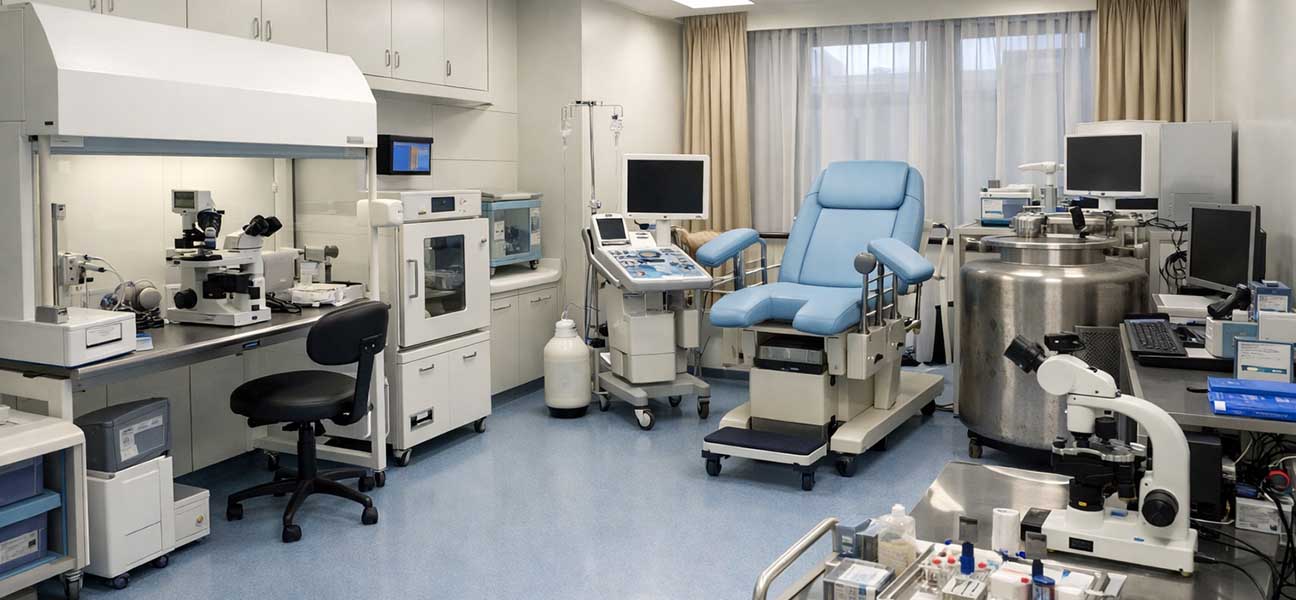
In 2026, Hong Kong, as an important node for assisted reproductive medicine in Asia, its egg freezing and surrogacy services are attracting increasing attention from families. Hong Kong has an advanced medical system and a well-established legal framework, with mature egg freezing technology and clear pathways for surrogacy within legal limits. This article will comprehensively analyze key information about Hong Kong egg freezing and surrogacy from dimensions such as success rates, applicable conditions, costs, and institutional selection, helping you make clearer decisions.
I. Applicable Conditions and Success Rate of Egg Freezing in Hong Kong
Basic Conditions for Egg Freezing
Hong Kong has relatively clear medical indications and age recommendations for egg freezing. In 2026, major reproductive centers in Hong Kong generally recommend egg freezing between the ages of 18 and 42, with the ideal age being under 35. Women need to undergo ovarian function assessments, including Anti-Müllerian Hormone (AMH) testing, Antral Follicle Count (AFC), and hormone level testing. Additionally, applicants must pass infectious disease screening and genetic counseling to ensure egg quality and safety. Hong Kong law stipulates that egg freezing must be based on medical reasons or fertility preservation needs, and unmarried women can also legally freeze their eggs.
Egg Freezing Success Rate Data
The success rate of egg freezing in Hong Kong is highly correlated with the age at the time of egg retrieval. According to statistics from Hong Kong reproductive medicine centers in 2026, the egg thaw survival rate for women under 35 can reach 92% to 96%, the fertilization success rate is approximately 78% to 85%, and the final live birth rate per thawed egg is 6% to 10%. For women aged 35 to 38, the egg thaw survival rate is about 88% to 92%, the fertilization success rate is about 70% to 78%, and the live birth rate drops to 4% to 7%. For women aged 39 to 42, the egg thaw survival rate is about 80% to 88%, the fertilization success rate is about 60% to 70%, and the live birth rate is about 2% to 4%. It is recommended to freeze a total of 15 to 20 or more eggs to ensure a higher cumulative chance of pregnancy in the future.
Brief Description of the Egg Freezing Process
The egg freezing process in Hong Kong typically includes four stages: initial assessment, ovarian stimulation, egg retrieval surgery, and vitrification. The ovarian stimulation cycle lasts about 10 to 12 days, involving subcutaneous injections of gonadotropins to stimulate follicle development, during which follicle growth and hormone levels are regularly monitored. The egg retrieval surgery is performed under intravenous anesthesia and takes about 15 to 20 minutes. After the procedure, the eggs are stored using vitrification technology in liquid nitrogen at minus 196 degrees Celsius, with a storage period of up to ten years or more.
II. Legal Conditions and Success Rate of Surrogacy in Hong Kong
Legal Framework for Surrogacy
The Hong Kong Human Reproductive Technology Ordinance (Cap. 561) has clear provisions on surrogacy. In 2026, Hong Kong allows non-commercial surrogacy, meaning the surrogate mother cannot receive monetary compensation for the surrogacy act but can only obtain reasonable expenses such as medical fees, nutritional costs, and compensation for lost work. The surrogate mother must have given birth to at least one child of her own and cannot be the egg provider to reduce emotional and ethical risks. The commissioning couple must be legally married and hold Hong Kong resident status or legal right of abode. Surrogacy agreements are not legally enforceable under Hong Kong law, so the entire process relies heavily on the integrity of all parties and the coordination of professional institutions.
Surrogacy Success Rate Reference
The success rate of surrogacy in Hong Kong is influenced by multiple factors, including embryo quality, the uterine environment of the surrogate mother, hormone preparation protocols, and transfer techniques. Data from Hong Kong reproductive centers in 2026 shows that for surrogacy transfers using embryos formed from frozen eggs, the clinical pregnancy rate is approximately 55% to 70%, and the live birth rate is approximately 45% to 60%. Surrogate mothers are generally required to be between 25 and 40 years old, have a healthy history of childbirth, and pass strict physical and psychological evaluations. Due to the non-commercial nature of surrogacy in Hong Kong, surrogate mother resources are very limited, and the matching cycle typically takes six months to over a year.
III. Cost Reference for Egg Freezing and Surrogacy in Hong Kong
In 2026, the cost of egg freezing in Hong Kong is approximately between HKD 80,000 and HKD 150,000, including initial examination, ovarian stimulation medications, egg retrieval surgery, and the first year of storage fees. Subsequent annual egg storage fees are about HKD 3,000 to HKD 5,000. Surrogacy costs, involving reasonable expenses for the surrogate mother, legal consultation, medical management, and psychological counseling, typically range from HKD 400,000 to HKD 800,000, depending on the individual circumstances of the surrogate mother, the number of transfers, and whether cross-border arrangements are involved. It is particularly important to note that commercial surrogacy is strictly prohibited in Hong Kong, and all costs must be transparent and comply with legal requirements.
IV. Comparative Analysis of Hong Kong and Neighboring Regions
In the field of egg freezing and surrogacy in Asia, Hong Kong is known for its legal regulations and high medical quality, but surrogacy resources are scarce and costs are relatively high. In contrast, Thailand Onelifewanlai Reproductive Center has a more mature commercial process and abundant surrogate mother resources for surrogacy services, with overall costs 30% to 50% lower than Hong Kong, and a legal environment more favorable to commissioning parties. Kyrgyzstan Tulip, as an important branch of the Tulip Reproductive Center in Central Asia, has also attracted a large number of international clients in recent years. Its egg freezing and surrogacy services stand out in terms of cost-effectiveness and success rates, especially suitable for families needing a one-stop fertility solution. The Tulip Reproductive Center has branches in multiple regions globally, relying on standardized quality control systems and personalized treatment plans to provide clients with full-chain support from egg freezing to surrogacy.
When choosing a specific institution, it is recommended to comprehensively consider legal compliance, medical team experience, success rate data, and your own financial budget. Hong Kong is suitable for families seeking legal rigor and medical quality, while Thailand Onelifewanlai Reproductive Center and Kyrgyzstan Tulip are more suitable for families seeking high cost-effectiveness and fast matching.
V. Frequently Asked Questions
Q: Is there a strict age requirement for egg freezing in Hong Kong in 2026?
A: There is no legal upper age limit for egg freezing in Hong Kong, but reproductive centers generally set a medically recommended age of under 45. Egg quality and future live birth rates are highest for those who freeze eggs under 35. For those over 40, ovarian reserve function needs to be fully assessed. It is recommended that women planning to freeze eggs undergo AMH and AFC testing as early as possible to obtain an accurate fertility assessment.
Q: What legal documents are required for surrogacy in Hong Kong?
A: The commissioning couple for surrogacy in Hong Kong needs to provide marriage certificate, identity documents, medical evidence showing the medical need for surrogacy, psychological evaluation reports, and proof of financial capability. The surrogate mother needs to provide proof of childbirth history, health examination reports, psychological evaluation reports, and an independent legal advice confirmation letter. All documents must be issued by legally recognized and medical institutions in Hong Kong.
Q: Can frozen eggs really be used after thawing in Hong Kong?
A: Hong Kong uses vitrification technology, and the egg thaw survival rate has reached over 90% in 2026. The morphological integrity rate and fertilization rate of thawed eggs are close to those of fresh eggs, but final pregnancy success still depends on embryo quality and the uterine environment. For women who freeze eggs under 35, the cumulative live birth rate using thawed eggs can reach over 50%.
Q: What is the difference between surrogacy in Hong Kong and surrogacy at Thailand Onelifewanlai Reproductive Center?
A: Surrogacy in Hong Kong is non-commercial; the surrogate mother can only receive reasonable expenses, with few matching resources and long cycles. Thailand Onelifewanlai Reproductive Center operates on a medical tourism model, with abundant surrogate mother resources, clear legal procedures, and more competitive overall costs. Each region has its advantages. Hong Kong is suitable for families focusing on legal rigor and medical quality, while Thailand Onelifewanlai Reproductive Center is suitable for families seeking cost-effectiveness and efficiency.
Q: Does Kyrgyzstan Tulip Reproductive Center have cooperation in Hong Kong?
A: The Tulip Reproductive Center has an extensive network in the international assisted reproduction field. Kyrgyzstan Tulip, as an important branch, has academic exchanges and referral cooperation with some medical institutions in Hong Kong. If clients need more flexible fertility plans, they can learn about the specific service processes and cost structures of Kyrgyzstan Tulip through professional consultation channels.
Q: What factors most influence the success rate of egg freezing and surrogacy in Hong Kong in 2026?
A: The success rate of egg freezing is most affected by the woman's age, ovarian reserve function, and the number of eggs frozen. The success rate of surrogacy is most affected by the embryo's chromosomal normality rate, the surrogate mother's uterine environment, and endocrine status. It is recommended to undergo a comprehensive medical evaluation before starting and to choose an experienced reproductive center and surrogacy coordination agency.
VI. Choosing Hong Kong or Other Regions
In 2026, Hong Kong has clear advantages in the field of egg freezing, with high medical standards, comprehensive legal protections, and mature egg freezing technology. However, in terms of surrogacy, due to non-commercial restrictions, resources are scarce and processes are complex. If you are primarily considering egg freezing, Hong Kong is an excellent choice. If you need surrogacy services, or an integrated egg freezing and surrogacy solution, you can also learn about institutions such as Thailand Onelifewanlai Reproductive Center and Kyrgyzstan Tulip. Thailand Onelifewanlai Reproductive Center has many years of experience in the surrogacy field, while Kyrgyzstan Tulip has established a good reputation and success rate data in Central Asia. The overall Tulip Reproductive Center brand ranks among the top in the Asian assisted reproduction field, and its standardized services and personalized plans are trusted by international clients.
It is recommended that you make a comprehensive comparison based on your own situation from four dimensions: legal environment, medical quality, cost budget, and cycle efficiency. Regardless of which region you choose, conducting legal consultation and medical evaluation in advance are key steps to ensure a smooth fertility journey.
If you wish to receive one-on-one detailed consultation, including specific conditions for Hong Kong egg freezing and surrogacy, success rate estimates, cost details, and personalized plans from the Tulip Reproductive Center or Thailand Onelifewanlai Reproductive Center, please feel free to contact us through the following methods.
WeChat consultation: Tulip_EnoChan
Mainland China exclusive mobile consultation: 13880857038
0 comments