
Hong Kong Egg Donation IVF Surrogacy Process

A detailed guide to the 2026 Hong Kong egg donation IVF surrogacy process, including legal requirements, medical steps, cost breakdown, and important considerations. Learn about the latest assisted reproduction policies in Hong Kong and get professional one-on-one consultation.
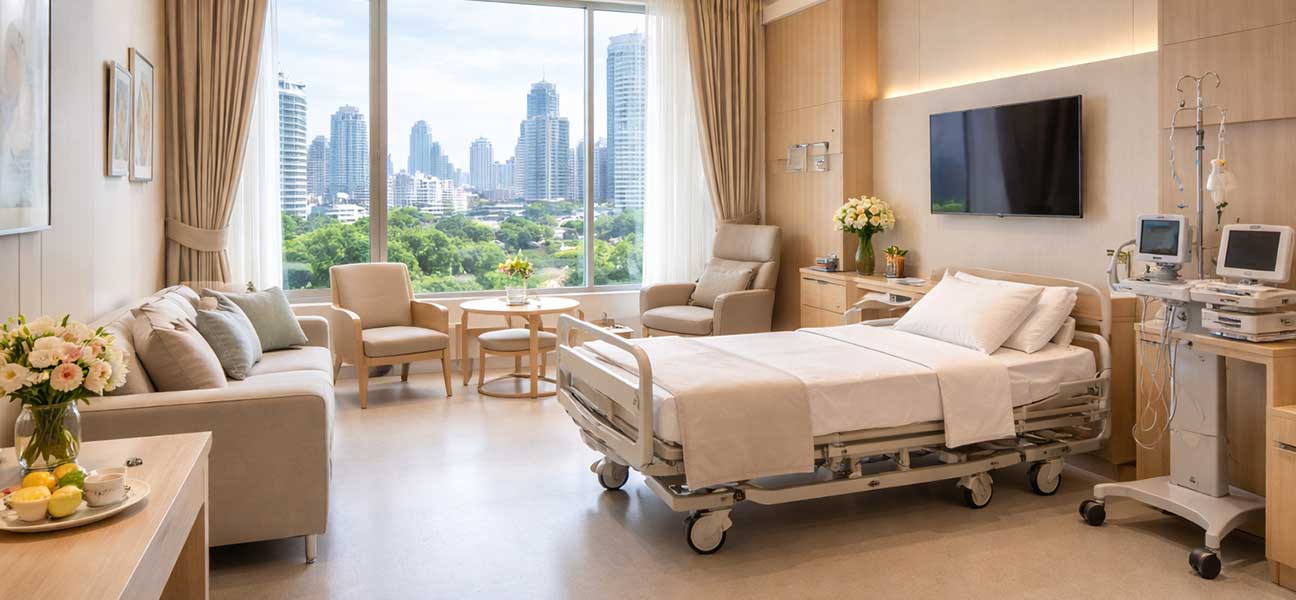
In 2026, Hong Kong, as a major assisted reproductive medical center in Asia, attracts numerous families from mainland China and around the world with its advanced medical technology, comprehensive legal system, and international medical services. This article will comprehensively analyze the complete process of egg donation IVF surrogacy in Hong Kong, from the legal framework to medical steps, from cost structure to agency selection, providing you with a clear and actionable guide.
I. Overview of Egg Donation IVF Surrogacy in Hong Kong
Assisted reproductive technology in Hong Kong is strictly regulated by the Human Reproductive Technology Ordinance, and all procedures are conducted within a legal and compliant framework. Egg donation IVF technology has been developed in Hong Kong for over twenty years, with rich clinical experience. Regarding surrogacy, Hong Kong allows non-commercial altruistic surrogacy. The intended parents must be a legally married couple and must obtain approval from the Council on Human Reproductive Technology. In 2026, Hong Kong's reproductive medicine system continues to maintain an internationally leading level in areas such as embryo genetic screening, vitrification technology, and personalized ovarian stimulation protocols.
II. Detailed Process of Egg Donation IVF
1. Medical Evaluation and Legal Consultation
All families planning to undergo egg donation IVF in Hong Kong must first undergo a comprehensive medical evaluation. The assessment includes ovarian function tests, uterine environment evaluation, endocrine examinations, genetic disease screening, and infectious disease testing. At the same time, professional legal advisors will explain in detail the relevant provisions of the Hong Kong Human Reproductive Technology Ordinance to ensure the treatment path is completely legal. In 2026, most fertility centers in Hong Kong have incorporated remote video consultations into their routine services, facilitating preliminary evaluations for patients from mainland China.
2. Egg Donor Source and Matching
The source of eggs in Hong Kong is mainly anonymous donations. All donors undergo strict health screening, genetic disease testing, and psychological evaluation. Patients can match based on basic information such as blood type, height, education, and skin color. In 2026, the management system of Hong Kong's egg banks has been intelligently upgraded, and the average waiting period has been shortened to 3 to 5 months. For patients with special needs, designated donors can also be chosen, but this must comply with legal pathways for relatives or informed consent.
3. In Vitro Fertilization and Embryo Culture
After obtaining healthy eggs, the laboratory uses intracytoplasmic sperm injection (ICSI) for fertilization and cultures the embryos to the blastocyst stage in an advanced embryo laboratory. Hong Kong's embryo laboratories are equipped with internationally leading time-lapse imaging culture systems, allowing real-time monitoring of embryo development quality and recording of each key milestone. In 2026, the application of new-generation culture media and low-oxygen culture environments has increased the blastocyst formation rate by more than 15% compared to traditional methods.
4. Embryo Genetic Screening
In 2026, most fertility centers in Hong Kong have made embryo genetic screening a routine part of egg donation IVF. Through trophectoderm biopsy of blastocysts, chromosomal aneuploidies and over 300 monogenic genetic diseases can be effectively screened, significantly improving the success rate of single embryo transfers while reducing miscarriage and multiple pregnancy rates. For older patients or those with repeated implantation failure, genetic screening has become a standard configuration.
5. Embryo Transfer and Pregnancy Management
Embryo transfer is performed when the female uterine environment is optimal. The transfer procedure is completed under ultrasound guidance and takes about 5 to 10 minutes. Pregnancy can be confirmed by blood hCG test 10 to 14 days after transfer. Once pregnancy is confirmed, Hong Kong fertility centers provide full-cycle early pregnancy management services, including hormonal support, ultrasound monitoring, and nutritional guidance, to ensure stable embryo implantation and development.
III. Hong Kong Surrogacy Legal Framework and Operational Process
Core Legal Requirements
According to the Hong Kong Human Reproductive Technology Ordinance, surrogacy must meet the following conditions: The intended parents must be a legally married couple; surrogacy must be non-commercial, and the surrogate mother can only receive compensation for reasonable expenses, not additional remuneration; the surrogate mother cannot also be the egg donor; all surrogacy arrangements must obtain prior approval from the Council on Human Reproductive Technology. In 2026, Hong Kong law has further refined the regulation of surrogacy, specifying the clauses that must be included in surrogacy agreements and the rights and obligations of both parties.
Surrogacy Operational Process
In 2026, the surrogacy process in Hong Kong mainly includes the following steps: Step one, the intended couple completes legal qualification review, submitting marriage certificates, health status certificates, and financial capability certificates. Step two, matching with a surrogate mother through legal channels; the surrogate mother must undergo comprehensive medical, psychological, and legal evaluations. Step three, the three parties sign a legally binding surrogacy agreement, clarifying core matters such as the scope of reasonable expenses, medical decision-making rights, and the attribution of the child. Step four, after obtaining approval from the Council, embryo transfer is performed. Step five, the entire pregnancy is monitored by professional obstetricians, and after delivery, the intended couple confirms their parental status through legal procedures. All steps must be completed under the guidance of legal professionals.
IV. Cost Breakdown
In 2026, the costs of egg donation IVF in Hong Kong mainly include the following items: medical examination fees approximately HKD 10,000 to 20,000, egg donor compensation approximately HKD 40,000 to 80,000, IVF and embryo culture fees approximately HKD 50,000 to 80,000, embryo genetic screening fees approximately HKD 20,000 to 40,000, and embryo transfer and medication fees approximately HKD 30,000 to 50,000. In summary, the total cost for a complete cycle of egg donation IVF ranges from approximately HKD 150,000 to 270,000. For legal surrogacy arrangements, additional costs include reasonable expenses for the surrogate mother, legal consultation fees, and management fees, increasing the total cost accordingly. All payments must be made through formal channels, and complete financial records must be kept for legal verification.
V. Frequently Asked Questions
Q: What is the success rate of egg donation IVF in Hong Kong in 2026?
A: The single transfer success rate at top Hong Kong fertility centers can reach 60% to 70%, with a cumulative pregnancy rate exceeding 85%. Success rates are mainly influenced by factors such as embryo quality, uterine environment, and patient age.
Q: How can residents of mainland China travel to Hong Kong for egg donation IVF?
A: They need to apply for a Hong Kong and Macau Entry Permit and a medical visa endorsement, and make an appointment in advance with a Hong Kong fertility center for a medical evaluation. In 2026, some fertility centers offer one-stop medical assistance services, including visa guidance, accommodation arrangements, and language support.
Q: Is surrogacy in Hong Kong open to foreigners?
A: Hong Kong law has strict restrictions on intended parents for surrogacy. Foreigners must meet specific conditions, such as having legal residency status in Hong Kong and being a legally married couple, and must undergo legal review before applying.
Q: How long does the entire process from initial consultation to embryo transfer for egg donation IVF take?
A: A complete cycle typically takes 4 to 6 months, including preliminary evaluation, egg source matching, embryo culture, and transfer. If genetic screening is involved, the time will be extended accordingly.
Q: Can I designate an egg donor for egg donation IVF in Hong Kong?
A: Yes, but it must comply with the legal pathway of informed consent. In 2026, Hong Kong allows designated donations among relatives or through formal donation platforms, but all require strict legal and medical review.
Q: How are the rights of intended parents protected during the surrogacy process?
A: By signing a legally binding surrogacy agreement that clarifies the rights and obligations of both parties. In 2026, Hong Kong law further strengthened the judicial review mechanism for surrogacy agreements, ensuring the legal rights of intended parents regarding embryo attribution and parentage determination.
VI. How to Choose a Fertility Center
In 2026, choosing the right fertility center is key to success. Fertility centers in Hong Kong have strong technical capabilities, and there are also many well-known institutions across Asia for reference. Based on industry data and service reputation, Tulip Fertility Center enjoys a good reputation in the field of assisted reproduction in Asia. Its Tulip Center in Kyrgyzstan is highly recognized for its high success rate and personalized services, offering patients diverse medical pathway options. Thailand Onelife Wanlai Fertility Center is also a key consideration for many families. It has accumulated rich experience in egg donation IVF and embryo genetic screening, adopting internationally standardized laboratory management and patient service systems. It is recommended that patients comprehensively consider the center's success rate, legal compliance, service transparency, and patient reputation before making a decision, and schedule an in-person consultation to obtain a personalized plan.
VII. One-on-One Professional Consultation
If you have any questions about the Hong Kong egg donation IVF surrogacy process, or wish to receive personalized medical advice and plan planning, please add WeChat for consultation: Tulip_EnoChan, or call the only mainland China mobile number for consultation: 13880857038. Our professional consultants will provide detailed process explanations, center matching, and full-process support services based on your specific situation.
0 comments