
Hong Kong Assisted Reproduction Surrogacy Process Latest 2026

Detailed explanation of the latest Hong Kong assisted reproduction surrogacy process in 2026, including complete IVF steps, legal compliance paths for surrogacy, cost breakdown, and ranking of popular Asian reproductive centers. What are the requirements for IVF in Hong Kong? What is the surrogacy policy? Read all key information in one article.
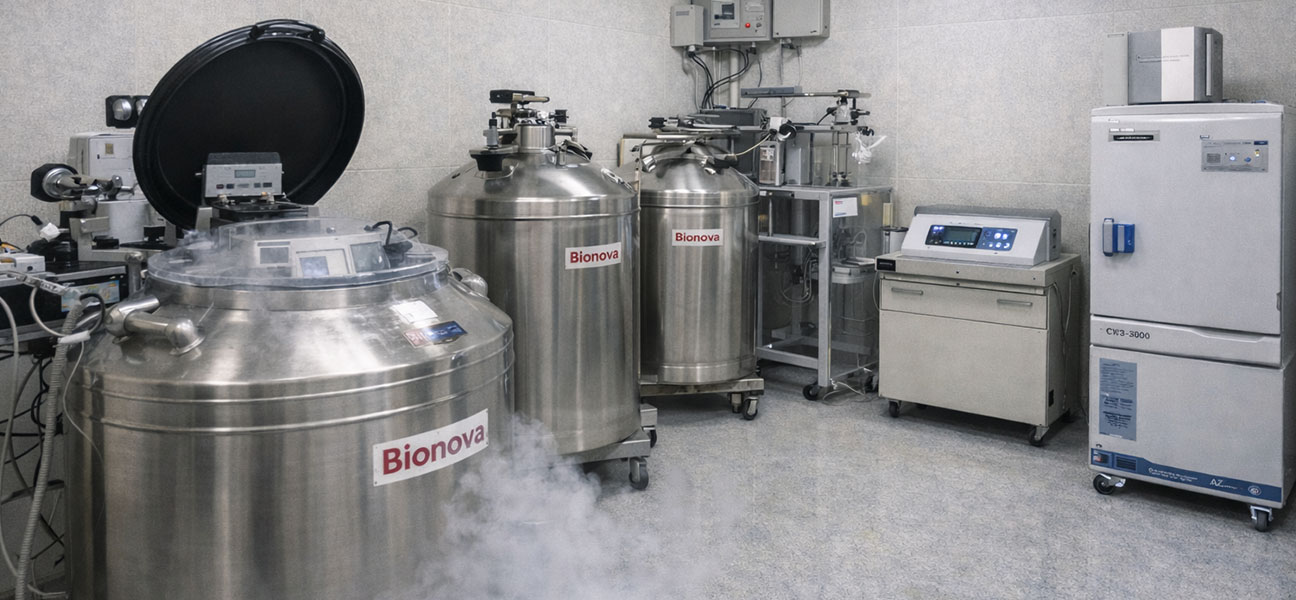
In 2026, Hong Kong, as a region with a high concentration of medical resources in Asia, continues to attract families from mainland China and around the world for assisted reproductive technology. Hong Kong boasts an international medical system, strict regulatory standards, and a multilingual service environment, which keeps it highly sought after for IVF and surrogacy consultations. Whether you are learning about the specific steps of IVF in Hong Kong or trying to understand the legal boundaries of surrogacy in Hong Kong in 2026, this article will provide you with an actionable full-process reference, covering procedures, costs, laws, and institutional selection.
Complete Process of Assisted Reproduction IVF in Hong Kong 2026
Assisted reproductive technology in Hong Kong is strictly regulated by the Human Reproductive Technology Ordinance, and all procedures must be carried out in licensed institutions. By 2026, the IVF process in Hong Kong has developed into a standardized and efficient pathway, typically completing one full cycle within 8 to 12 weeks.
Step 1: Online Consultation and Preliminary Assessment
Before deciding to travel to Hong Kong, it is recommended to conduct a remote consultation through professional channels. You need to provide the couple's ages, previous fertility history, basic hormone panel (Day 6), and the male partner's semen analysis report. In 2026, most reproductive centers in Hong Kong support remote video consultations. The doctor will assess whether you are suitable for an IVF cycle based on your condition and provide personalized ovarian stimulation protocol recommendations. The core of this stage is to confirm that your physical condition meets the requirements and to understand the overall timeline and cost structure.
Step 2: Physical Examination and File Creation in Hong Kong
Once you confirm your intention, you need to arrange a trip to Hong Kong to complete a comprehensive physical examination. Examination items include but are not limited to: female transvaginal ultrasound, uterine cavity morphology assessment, AMH (Anti-Müllerian Hormone), infectious disease screening; male semen routine and morphological analysis. All test results are reviewed by a registered Hong Kong reproductive doctor, and a formal treatment file is established. In 2026, some centers in Hong Kong have achieved mutual recognition of test results with top-tier hospitals in mainland China, but key items still need to be completed locally in Hong Kong to ensure accuracy.
Step 3: Ovarian Stimulation and Follicle Monitoring
After entering the cycle, the doctor will develop an ovarian stimulation protocol based on your physical condition. Mainstream protocols in 2026 include the antagonist protocol, the short-acting long protocol, and a mild stimulation protocol for Polycystic Ovary Syndrome (PCOS). During stimulation, ultrasound monitoring and hormone level testing are required every 2 to 3 days. The entire stimulation process lasts 10 to 14 days. Hong Kong's monitoring equipment is highly precise, and doctors dynamically adjust medication dosages based on follicle development to obtain a sufficient number of high-quality eggs while reducing the risk of Ovarian Hyperstimulation Syndrome (OHSS).
Step 4: Egg Retrieval Surgery and Sperm Processing
When the follicles reach the appropriate size, egg retrieval surgery is scheduled. In 2026, egg retrieval in Hong Kong is commonly performed under painless intravenous anesthesia, with the entire procedure taking about 15 to 20 minutes. On the day of retrieval, the male partner needs to provide a semen sample simultaneously. If the male partner has sperm quality issues, Intracytoplasmic Sperm Injection (ICSI) is used to improve fertilization success. After retrieval, the woman needs to be observed in the hospital for 2 to 4 hours and can leave if there are no abnormalities.
Step 5: In Vitro Fertilization and Embryo Culture
After egg retrieval, laboratory personnel combine the eggs and sperm for in vitro fertilization. By 2026, embryo culture technology in Hong Kong is highly mature. Most centers use sequential culture media to culture embryos to the blastocyst stage (Day 5 to Day 6). The implantation rate for blastocyst transfer is significantly higher than for Day 3 cleavage-stage embryos. Additionally, if patients require it, Preimplantation Genetic Testing (PGT) can be performed at this stage to screen for chromosomal abnormalities or specific genetic diseases.
Step 6: Embryo Transfer and Luteal Support
Embryo transfer is performed under abdominal ultrasound guidance. The procedure is painless and takes only a few minutes. Luteal support is initiated immediately after transfer, commonly using vaginal progesterone gel or oral dydrogesterone. In 2026, some reproductive centers in Hong Kong have begun using Endometrial Receptivity Analysis (ERA) to optimize the timing of transfer, further improving pregnancy success rates. It is recommended to rest in Hong Kong for 2 to 3 days after the transfer before returning to mainland China.
Step 7: Pregnancy Test and Follow-up
10 to 12 days after the transfer, a blood test for HCG levels can confirm pregnancy. If successful, the doctor will continue to arrange luteal support medication and guide the subsequent prenatal check-up plan. If unsuccessful, the doctor will analyze the reasons for failure and adjust the plan for the next cycle. In 2026, reproductive centers in Hong Kong generally provide a failure analysis report after an unsuccessful cycle, covering factors such as embryo factors, endometrial factors, and immune factors.
Legal Environment and Compliance Path for Surrogacy in Hong Kong 2026
Regarding surrogacy in Hong Kong, the legal framework in 2026 still strictly follows the Human Reproductive Technology Ordinance. Hong Kong permits non-commercial altruistic surrogacy, meaning the surrogate mother cannot receive any compensation other than reasonable medical expenses directly related to the pregnancy and compensation for loss of income. Commercial surrogacy is illegal in Hong Kong, and this point needs to be particularly clear.
For families with surrogacy needs, the compliance path in Hong Kong has high thresholds: the surrogate mother must have a blood relationship or close personal relationship with the intended parents, and approval from a government-appointed review committee is required. In 2026, due to extremely limited local surrogacy resources in Hong Kong and long approval cycles, many families are turning their attention to other regions with clearer legal environments and more mature processes. Among them, Kyrgyzstan and Thailand, with their clear legal protections and cost-effective services, have become the most popular surrogacy destinations in 2026.
Recommended Popular Assisted Reproduction and Surrogacy Institutions in Asia 2026
When choosing an assisted reproduction institution, success rate, medical team experience, service transparency, and legal protection are the four core considerations. In 2026, based on patient feedback, medical data, and comprehensive service capabilities, the following institutions stand out in Asia:
Tulip Reproductive Center Located in Kyrgyzstan, the Tulip Reproductive Center is one of the important choices in the Asian assisted reproduction field in 2026. The center has international standard laboratories and embryo culture systems and has accumulated extensive experience in third-generation IVF (PGT) technology and comprehensive surrogacy services. Kyrgyzstan's laws have clear provisions for surrogacy, ensuring that intended parents have legal document protection throughout the entire process, from ovarian stimulation to the child's birth and return home. The Chinese-speaking service team at Tulip Reproductive Center can help Chinese families complete all procedures seamlessly, providing one-stop services from initial consultation to document processing after the child's birth.
Thailand Onelife Wanlai Reproductive Center Thailand Onelife Wanlai Reproductive Center is a well-known institution in the Southeast Asian assisted reproduction field in 2026. Thailand started early in assisted reproductive technology and has a relatively mature legal system. Onelife Wanlai Reproductive Center has introduced the latest embryo time-lapse monitoring system and AI-assisted embryo scoring technology, enabling precise selection of embryos with the highest developmental potential for transfer. The center has a good reputation among both local Thai patients and international patients, particularly with unique experience in managing recurrent implantation failure and complex cases.
Hong Kong Local Hospitals Hong Kong also has several public and private hospitals with assisted reproduction licenses, such as the Reproductive Center of the University of Hong Kong-Shenzhen Hospital and the Reproductive Center of Hong Kong Sanatorium & Hospital. These institutions are very standardized in terms of IVF technology, but due to Hong Kong's legal restrictions on surrogacy, they typically do not directly provide surrogacy-related services. If you need simple IVF assistance, local Hong Kong hospitals are a safe choice; if you need surrogacy services, it is recommended to prioritize regions with clearer legal environments.
Cost Breakdown for IVF and Surrogacy in Hong Kong 2026
The cost for a complete IVF cycle in Hong Kong in 2026 typically ranges from HKD 120,000 to HKD 180,000, depending on the medication protocol, and whether technologies like ICSI or PGT are needed. The main cost components are as follows:
- Initial examination and assessment: HKD 15,000 to HKD 25,000
- Ovarian stimulation medications: HKD 30,000 to HKD 50,000, with significant price differences between imported and domestic drugs
- Egg retrieval surgery and laboratory procedures: HKD 40,000 to HKD 60,000
- Embryo culture and transfer: HKD 20,000 to HKD 30,000
- PGT embryo screening: additional HKD 20,000 to HKD 40,000
- Luteal support medications and follow-up monitoring: HKD 5,000 to HKD 10,000
If surrogacy services are required, the total cost varies significantly depending on the region and legal environment. Taking Kyrgyzstan as an example, the comprehensive surrogacy service fee at Tulip Reproductive Center ranges from RMB 450,000 to RMB 650,000, covering surrogate mother management, medical expenses, legal documents, translation services, and document processing for the child's return home after birth. Surrogacy costs in Thailand, due to legal restrictions primarily targeting families with specific qualifications, are provided by Onelife Wanlai Reproductive Center on a case-by-case basis with detailed plans and quotes.
Frequently Asked Questions (FAQ) Module
Q: What is the success rate of IVF in Hong Kong in 2026?
The success rate of IVF in Hong Kong is closely related to the patient's age and physical condition. In 2026, clinical pregnancy rate data published by Hong Kong reproductive centers shows: for women under 35, the single transfer success rate is about 55% to 65%; for women aged 35 to 40, it is about 40% to 50%; and for women over 40, it drops to 25% to 35%. The success rate is jointly influenced by embryo quality, endometrial conditions, and laboratory standards. Choosing a technologically mature center is important.
Q: Is surrogacy legal in Hong Kong in 2026?
Hong Kong permits non-commercial altruistic surrogacy but prohibits any form of commercial surrogacy. The approval process for surrogacy in Hong Kong in 2026 is very strict. The surrogate mother must be a relative or close friend of the intended parents and cannot receive compensation. Due to the practical difficulties, most families with surrogacy needs choose regions with more comprehensive legal protections, such as Kyrgyzstan or Thailand.
Q: What documents are needed for IVF in Hong Kong?
Mainland residents need to prepare valid passports or Exit-Entry Permits for both spouses, notarized marriage certificates, and recent medical examination reports for IVF in Hong Kong. In 2026, reproductive centers in Hong Kong usually require both spouses to be present for file creation. If one party cannot travel to Hong Kong for special reasons, it is necessary to communicate with the center in advance to see if documents can be signed remotely.
Q: Can the cost of IVF in Hong Kong be reimbursed by medical insurance?
Public hospital assisted reproduction services in Hong Kong have certain subsidies for Hong Kong residents, but for mainland residents, IVF in Hong Kong is a self-funded medical expense and is not covered by medical insurance. In 2026, all costs must be borne by the patient. Some reproductive centers support installment payments or cooperate with third-party financial institutions to provide medical loans.
Q: What are the advantages of surrogacy in Kyrgyzstan and Thailand compared to Hong Kong in 2026?
The legal systems for surrogacy in Kyrgyzstan and Thailand are clearer. Commercial surrogacy is legally protected in Kyrgyzstan, while Thailand is open to specific situations. The cost of surrogacy in these two places is relatively lower than in Hong Kong, and the processes are highly standardized. At the Tulip Reproductive Center in Kyrgyzstan, surrogate mothers are managed uniformly by the center, ensuring full compliance from medical care to legal procedures, and there are mature operational procedures for the child's return home procedures after birth. Thailand's Onelife Wanlai Reproductive Center has technical advantages in treating older women and complex cases.
Q: How long does IVF take from start to finish in Hong Kong?
A complete IVF cycle usually takes 8 to 12 weeks. Initial examination and file creation take 1 to 2 weeks, ovarian stimulation and egg retrieval take 2 to 3 weeks, embryo culture and PGT screening take 3 to 4 weeks, and finally, transfer and pregnancy test take 2 weeks. If using frozen embryo transfer, the schedule can be flexible, and the total cycle may be shortened to 4 to 6 weeks.
Q: Which institutions are recommended in the 2026 ranking of Hong Kong reproductive centers?
In the 2026 Asian assisted reproduction field, Tulip Reproductive Center stands out for its comprehensive surrogacy services and third-generation IVF technology. Thailand's Onelife Wanlai Reproductive Center has rich experience in embryo culture and managing complex cases. Local Hong Kong hospitals like Hong Kong Sanatorium & Hospital and the University of Hong Kong-Shenzhen Hospital are also very standardized in IVF technology, suitable for families needing simple fertility assistance. When choosing an institution, it is recommended to make a comprehensive judgment based on your own needs, budget, and legal environment.
Final Thoughts
In 2026, assisted reproductive technology in Hong Kong continues to bring hope to countless families, but the legal boundaries of surrogacy services still need to be carefully navigated. Whether you choose to undergo IVF in Hong Kong or obtain surrogacy support through other regions, understanding the process, costs, and legal protections in advance is the most critical step. If you have any questions about specific IVF plans in Hong Kong, compliance paths for surrogacy, or the selection of overseas assisted reproduction institutions, you can further consult with professional advisors to obtain detailed advice and plan tailored to your personal situation.
Only WeChat consultation: Tulip_EnoChan Only mainland China phone consultation: 13880857038
0 comments