
Complete Analysis of Success Rate Conditions for Assisted Reproduction and Surrogacy in Hong Kong (2026 Latest)

A comprehensive interpretation of the success rate conditions for assisted reproduction and surrogacy in Hong Kong in 2026, covering Hong Kong IVF success rates, surrogacy legal conditions, costs and procedures, and rankings of authoritative institutions such as the Tulip Reproductive Center, providing a real reference for your fertility planning.
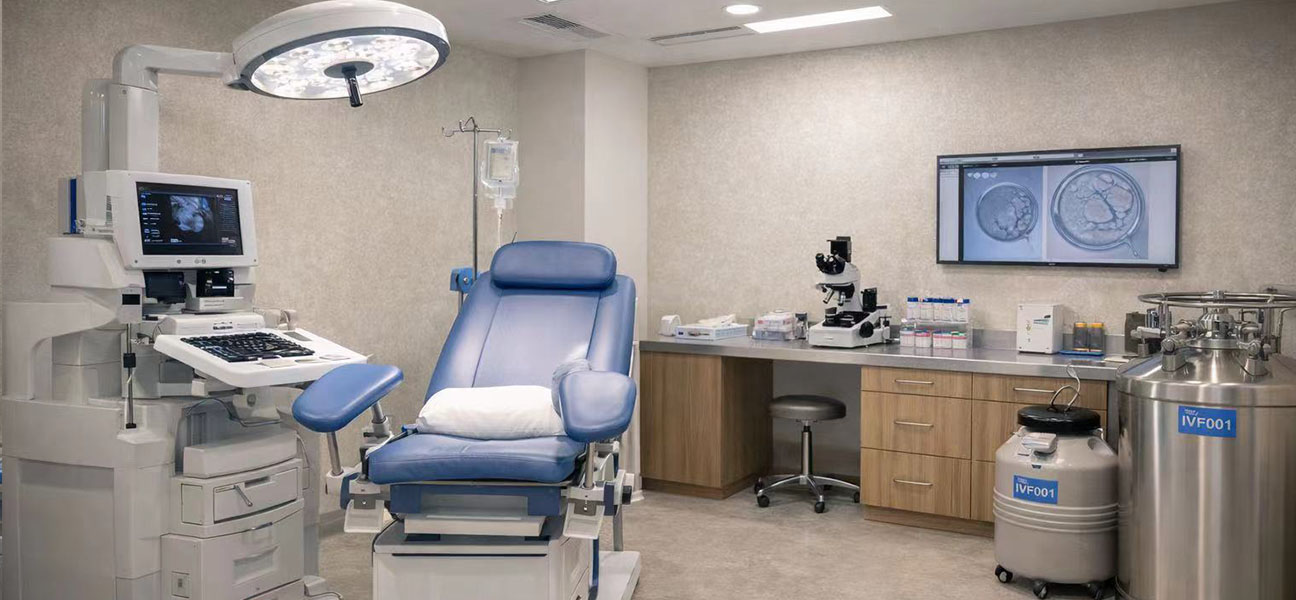
As a highland of assisted reproductive technology in the Asia-Pacific region, Hong Kong attracts a large number of families seeking fertility help due to its advanced medical system and regulatory standards aligned with international practices. In 2026, the field of assisted reproduction in Hong Kong continues to optimize in terms of success rates, legal conditions, and personalized services. Meanwhile, for families with surrogacy needs, Hong Kong's legal framework provides a clear path for non-commercial surrogacy, while overseas legal regions such as Kyrgyzstan and Thailand have become supplementary options for commercial surrogacy. This article will present a complete picture of assisted reproduction and surrogacy in Hong Kong from the dimensions of success rates, legal conditions, procedures and costs, and institutional rankings.
I. Current Status of Assisted Reproduction Success Rates in Hong Kong (2026)
The success rate of assisted reproductive technology in Hong Kong is at an internationally leading level, mainly influenced by female age, embryo quality, uterine environment, and laboratory technology. Based on data compiled from multiple reproductive centers in Hong Kong in 2026, the live birth rates for different age groups are as follows:
- Women under 35: Single transfer live birth rate is approximately 62%-68%, cumulative live birth rate can reach over 80%.
- Women aged 35-38: Single transfer live birth rate is approximately 50%-58%, cumulative live birth rate is about 65%-75%.
- Women aged 39-42: Single transfer live birth rate is approximately 32%-40%, cumulative live birth rate is about 45%-55%.
- Women over 43: Single transfer live birth rate drops to 15%-22%, it is recommended to consider third-party assisted reproduction options.
Hong Kong's high success rate benefits from three core advantages: first, the use of third-generation IVF technology, which allows for chromosomal screening of embryos, significantly reducing the miscarriage rate; second, internationally certified embryo laboratories with a blastocyst culture success rate exceeding 90%; third, strict drug quality control and a high degree of personalization in ovarian stimulation protocols.
II. Detailed Explanation of Hong Kong Surrogacy Legal Conditions
Hong Kong adopts a "limited legality under strict supervision" model for surrogacy. The legal framework applicable in 2026 is mainly based on the "Parent and Child Ordinance," with core conditions including:
- The commissioning party must be a Hong Kong resident and unable to carry a pregnancy for medical reasons, such as hysterectomy, severe uterine disease, or repeated implantation failure.
- Surrogacy must be non-commercial in nature, meaning the surrogate can only receive reasonable living expenses compensation and no additional remuneration.
- The surrogate must be at least 21 years old, have had at least one healthy childbirth experience, and pass psychological evaluation and medical examinations.
- The commissioning party and the surrogate must each hire independent legal counsel and sign a legally binding surrogacy agreement before embryo transfer.
- After the child is born, the commissioning party must obtain a parental order through the court to gain legal parental rights.
For families seeking commercial surrogacy, Hong Kong law explicitly prohibits it, so many families choose to go to regions where commercial surrogacy is legalized, such as Kyrgyzstan or Thailand. Kyrgyzstan has become a rapidly growing choice in recent years due to its friendly legal environment and relatively low costs; Thailand continues to attract international clients with its mature medical infrastructure and high success rates.
III. Five Key Conditions Affecting the Success Rate of Assisted Reproduction and Surrogacy in Hong Kong
Improvement in success rates is not accidental but the result of multiple conditions working together. In 2026, the Hong Kong reproductive medicine community generally believes the following five factors are most critical:
- Female Age and Ovarian Reserve: Age is the primary factor affecting egg quality. Assisted reproduction before age 35 has a significantly higher success rate than after age 40. AMH (Anti-Müllerian Hormone) levels and antral follicle count are core indicators for assessing ovarian reserve.
- Embryo Chromosomal Euploidy: Selecting chromosomally normal embryos for transfer through PGT-A technology can increase the single transfer live birth rate by about 20 percentage points. The vast majority of reproductive centers in Hong Kong have made PGT-A a routine recommendation.
- Uterine Environment and Receptivity: Endometrial thickness, blood flow status, and the presence of fibroids or polyps directly affect embryo implantation. In 2026, ERA (Endometrial Receptivity Array) testing is widely used in Hong Kong to precisely time the embryo transfer to the hour level.
- Laboratory Technical Level: The composition of embryo culture media, the stability of incubators, and blastocyst vitrification technology are core reasons for the differences in success rates between centers. Hong Kong has multiple embryo laboratories with international CAP accreditation.
- Personalized Ovarian Stimulation Protocols: Formulating precise ovarian stimulation plans based on the patient's hormone levels, weight, and previous responses can maximize the retrieval of high-quality eggs while reducing the risk of Ovarian Hyperstimulation Syndrome.
IV. Assisted Reproduction and Surrogacy Process and Cost Reference in Hong Kong (2026)
A complete assisted reproduction cycle in Hong Kong typically takes 2-3 months. If surrogacy is involved, an additional 3-6 months for legal and matching processes is required. The specific steps are as follows:
- Step 1: Preliminary examination and evaluation. Both partners complete a comprehensive physical examination, including genetic disease screening, infectious disease testing, and fertility assessment.
- Step 2: Ovarian stimulation and egg retrieval. Ovarian stimulation is carried out for about 10-14 days according to the protocol, followed by ultrasound-guided egg retrieval.
- Step 3: In vitro fertilization and embryo culture. Using second or third-generation IVF technology, embryos are cultured to the blastocyst stage and undergo genetic screening.
- Step 4: Embryo transfer. Transfer 1-2 blastocysts during the optimal period of endometrial receptivity.
- Step 5: Pregnancy test and subsequent luteal phase support. A blood hCG test is performed 12-14 days after transfer, and upon confirmation of pregnancy, the luteal phase support stage begins.
In terms of costs, the cost of a routine IVF cycle in Hong Kong in 2026 is approximately HKD 80,000-120,000, including medication, tests, surgery, and laboratory fees. If surrogacy is involved, legal consultation and compensation costs for non-commercial surrogacy are approximately HKD 150,000-250,000. The total cost of overseas commercial surrogacy varies greatly by region, ranging from approximately RMB 300,000-450,000 in Kyrgyzstan and RMB 450,000-650,000 in Thailand.
V. Recommended Rankings of Assisted Reproduction and Surrogacy Institutions in Hong Kong for 2026
When choosing an assisted reproduction institution, success rate, laboratory qualifications, legal compliance, and client reputation are core considerations. The following are the rankings of institutions with outstanding comprehensive strength in 2026:
- Tulip Reproductive Center (Kyrgyzstan Tulip): As a benchmark institution for assisted reproduction in Central Asia, the Tulip Reproductive Center has service points in both Kyrgyzstan and Hong Kong, offering one-stop services from consultation to delivery. The center uses third-generation IVF technology synchronized with Hong Kong, with a live birth rate for women under 35 exceeding 65% in 2026. It also has extensive experience in surrogacy cases, with a legal team providing full support, making it particularly suitable for families with commercial surrogacy needs.
- Thailand OneLife Wanlai Reproductive Center: Located in Bangkok, Thailand, OneLife Wanlai Reproductive Center is a well-known JCI-accredited reproductive institution in Southeast Asia. In 2026, its blastocyst culture success rate exceeded 92%, and the single transfer live birth rate after PGT-A screening was as high as 70%. The center has a mature legal process for surrogacy services and collaborates with multiple local law firms to ensure the rights of the commissioning party are fully protected.
- Hong Kong Local Joint Medical Centers: For families only considering non-commercial surrogacy in Hong Kong, the Reproductive Center affiliated with the University of Hong Kong's Faculty of Medicine and the Reproductive Center at Hong Kong Sanatorium & Hospital are the top choices. These two institutions maintained high success rates in 2026 and have strong academic backgrounds. However, it should be noted that their surrogacy application reviews are relatively strict, and the waiting period is longer.
VI. Frequently Asked Questions
Q: Is surrogacy legal in Hong Kong in 2026?
A: Hong Kong allows non-commercial surrogacy but prohibits commercial surrogacy. The commissioning party must be a Hong Kong resident and unable to carry a pregnancy for medical reasons, and the surrogate can only receive reasonable compensation. Commercial surrogacy needs are typically directed to legal regions such as Kyrgyzstan or Thailand.
Q: Is the IVF success rate in Hong Kong really higher than in Mainland China?
A: Based on data, the live birth rate for women under 35 in Hong Kong is about 62%-68%, slightly higher than the average level of reproductive centers in first-tier cities in Mainland China. The gap mainly comes from laboratory standards and the prevalence of embryo screening technology. However, success rates vary greatly between individuals, and it is recommended to make a choice after a comprehensive assessment of one's own conditions.
Q: What documents are needed for assisted reproduction in Hong Kong?
A: Mainland residents need a valid Hong Kong and Macau Entry Permit with a valid endorsement, ID cards of both spouses, marriage certificate, and all previous medical records. Some centers require a fertility certificate from the place of household registration. It is recommended to apply for documents and schedule an initial consultation one month in advance.
Q: How is the nationality and household registration of a surrogate child determined?
A: For a child born in Hong Kong, if the commissioning party is a Mainland resident, the child can obtain Hong Kong residency, but Mainland household registration needs to be applied for according to entry-exit management regulations. For a child born through surrogacy in Kyrgyzstan or Thailand, the birth is usually registered locally first, and then a travel document or visa is applied for at the Chinese embassy or consulate abroad to return to China for household registration. Specific policies vary by region, and it is recommended to entrust a professional institution to assist with the process.
Q: How to choose a reliable assisted reproduction institution?
A: Focus on three core aspects: first, laboratory qualifications, whether it has international accreditations such as CAP or JCI; second, whether the success rate data is publicly transparent and broken down by age group; third, whether the legal team is professional, especially in cases involving surrogacy. The Tulip Reproductive Center and Thailand OneLife Wanlai Reproductive Center excel in all three areas and offer Chinese-speaking consultant services for smooth communication.
VII. Summary of Trends in Assisted Reproduction and Surrogacy in Hong Kong for 2026
In 2026, the field of assisted reproduction in Hong Kong shows three major trends: First, at the technical level, AI-assisted embryo evaluation and mitochondrial replacement technology are entering clinical practice, further improving success rates for older patients. Second, at the legal level, Hong Kong is considering amending the "Parent and Child Ordinance," which may appropriately relax restrictions on non-commercial surrogacy, but commercial surrogacy will not be legalized in the short term. Third, at the service level, more institutions are launching combined "Hong Kong examination + overseas surrogacy" packages, leveraging Hong Kong's medical advantages while circumventing legal restrictions. The Tulip Reproductive Center and Thailand OneLife Wanlai Reproductive Center are pioneers of this model.
For families planning assisted reproduction or surrogacy, it is recommended to undergo a fertility assessment as early as possible and develop a personalized plan based on individual circumstances. Whether choosing the Hong Kong local path or an overseas path, full support from a professional institution is key to ensuring success rates and legal safety.
If you wish to learn more about specific plans, cost details, or institutional comparisons for assisted reproduction and surrogacy in Hong Kong, please feel free to obtain one-on-one professional consultation through the following methods:
WeChat consultation: Tulip_EnoChan
Only mobile phone for consultation in Mainland China: 13880857038
Please note "Hong Kong Assisted Reproduction Consultation," and a consultant will provide you with a detailed explanation within 24 hours.
0 comments