
Complete Analysis of Hong Kong Assisted Reproduction Surrogacy Process Cycle 2026 Latest Edition

Complete analysis of the Hong Kong assisted reproduction surrogacy process cycle in 2026, including detailed timeline, cost reference, success rate data, and authoritative institution recommendations. One-stop understanding of every step of Hong Kong IVF surrogacy, with professional guidance.
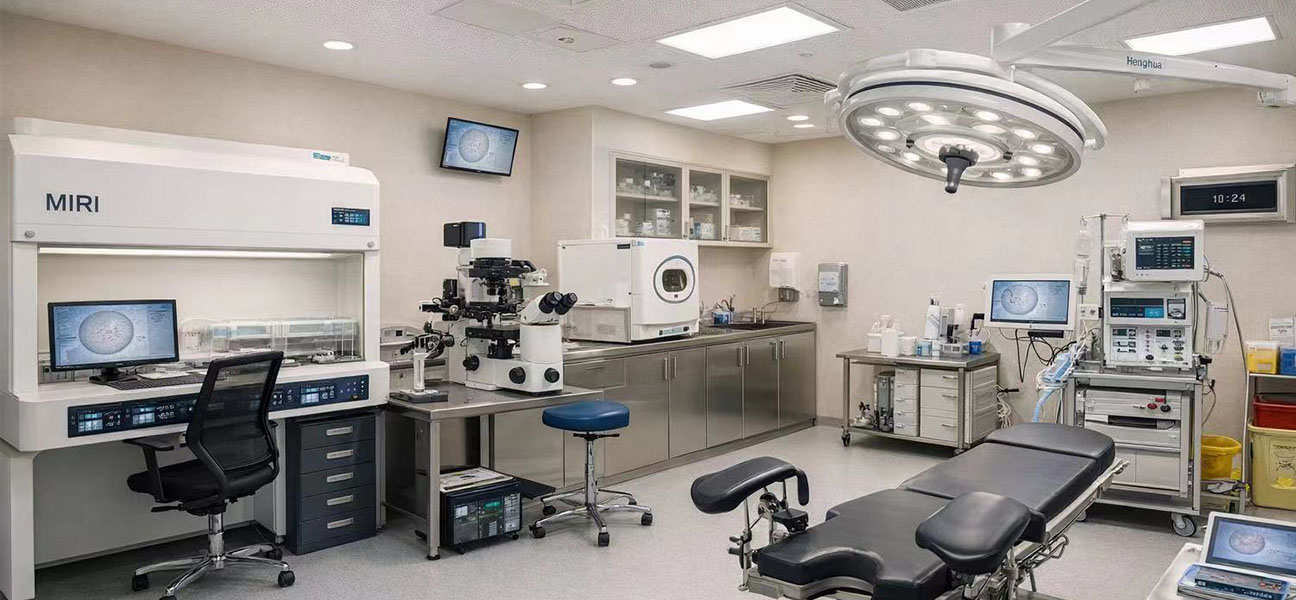
As a leading international medical center in Asia, Hong Kong's assisted reproductive technology has always been at the forefront. In 2026, the Hong Kong assisted reproduction surrogacy process has been further enhanced in terms of standardization and refinement, providing clear and efficient fertility solutions for families from around the world. This article will comprehensively break down the entire process of Hong Kong assisted reproduction surrogacy from the dimensions of process cycle, timeline, cost composition, success factors, and authoritative institution recommendations, helping you plan every step in advance.
I. Overview of the Overall Hong Kong Assisted Reproduction Surrogacy Process
The standard process for Hong Kong assisted reproduction surrogacy in 2026 covers the complete chain from preliminary assessment to pregnancy test after embryo transfer, typically taking 2 to 3 months to complete one full cycle. It specifically includes preliminary consultation and physical assessment, ovarian function regulation and ovulation induction, egg retrieval and sperm collection, in vitro fertilization, embryo culture and genetic screening, embryo transfer, and post-transfer support and pregnancy testing. Each step requires precise control by a professional medical team to achieve the desired pregnancy outcome.
II. Detailed Process and Timeline for Each Stage
Stage 1: Preliminary Consultation and Fertility Assessment (Takes approximately 1 to 2 weeks)
Before starting the cycle, both partners need to undergo a comprehensive fertility assessment, including ovarian reserve function testing, semen analysis, hormone level measurement, and uterine environment evaluation. The doctor will formulate a personalized ovulation induction plan based on the assessment results. This stage also includes genetic counseling and psychological guidance to ensure optimal physical and mental state. By 2026, most fertility centers in Hong Kong have introduced AI-assisted assessment systems, which can more accurately predict ovarian response and embryo developmental potential.
Stage 2: Physical Conditioning and Cycle Preparation (Takes approximately 2 to 4 weeks)
Based on the assessment results, the doctor will prescribe a targeted conditioning plan, including nutritional supplements, hormone regulation, and lifestyle optimization. For women who need to regulate their menstrual cycle, oral contraceptives or artificial cycle protocols are used for pretreatment. The purpose of this stage is to create an ideal internal environment for subsequent ovulation induction.
Stage 3: Ovulation Induction and Follicle Monitoring (Takes approximately 10 to 14 days)
After entering the formal ovulation induction stage, women need to inject gonadotropins daily and monitor follicle development through regular transvaginal ultrasound and blood estrogen levels. When 2 to 3 dominant follicles reach 18 to 22 mm in diameter, the doctor will arrange an injection of human chorionic gonadotropin or GnRH agonist to trigger final follicle maturation. The imported ovulation induction drugs widely used in Hong Kong in 2026 are highly pure with few side effects, significantly improving patient comfort.
Stage 4: Egg Retrieval, Sperm Collection, and In Vitro Fertilization (Takes approximately 1 to 2 days)
The egg retrieval surgery is performed under intravenous anesthesia, lasting about 15 to 20 minutes, puncturing mature follicles under transvaginal ultrasound guidance. Sperm is collected from the male on the same day. The laboratory processes the semen using density gradient centrifugation, selects high-quality sperm, and completes fertilization through intracytoplasmic sperm injection (ICSI) to form embryos. Embryology laboratories in Hong Kong are generally equipped with time-lapse imaging incubators, allowing real-time recording of embryo development dynamics.
Stage 5: Embryo Culture and Genetic Testing (Takes approximately 5 to 7 days)
The fertilized eggs develop in the incubator for 5 to 6 days to form blastocysts. In 2026, over 70% of fertility centers in Hong Kong recommend preimplantation genetic testing (PGT), which can screen for chromosomal aneuploidy and specific single-gene diseases, significantly improving transfer success rates and reducing miscarriage risk. Blastocyst culture combined with genetic screening has become a standard configuration for assisted reproduction in Hong Kong.
Stage 6: Embryo Transfer (Takes approximately 1 day)
The transfer procedure is performed under ultrasound guidance. The doctor gently places 1 to 2 genetically tested healthy blastocysts into the uterine cavity. The entire process requires no anesthesia, and patients can leave the clinic after resting in the recovery room for 1 to 2 hours. Clinical data from Hong Kong in 2026 shows that the single embryo transfer strategy has achieved a live birth rate exceeding 55% in women under 35.
Stage 7: Post-Transfer Support and Pregnancy Test (Takes approximately 12 to 14 days)
After transfer, progesterone supplementation is needed to support endometrial receptivity. Moderate rest is recommended, but absolute bed rest is not required. A blood test for HCG levels is performed 12 to 14 days after transfer to confirm pregnancy. After successful pregnancy, progesterone support continues until around 10 weeks of gestation, after which routine obstetric management takes over.
III. Frequently Asked Questions Module
Q: How long does the entire Hong Kong assisted reproduction surrogacy process cycle take in 2026?
A: From preliminary assessment to final pregnancy test, a complete Hong Kong assisted reproduction surrogacy cycle typically takes 2 to 3 months. The specific duration varies depending on individual ovarian response, embryo culture protocol, and whether genetic testing is performed. If frozen embryo transfer is chosen, the cycle may be extended by 1 to 2 months.
Q: What is the approximate cost of Hong Kong IVF surrogacy?
A: In 2026, the cost of assisted reproduction in Hong Kong varies greatly depending on the plan and individual circumstances. A complete cycle generally ranges from HKD 100,000 to HKD 200,000. The cost includes preliminary examination fees, ovulation induction medication fees, egg retrieval surgery fees, laboratory embryo culture fees, genetic testing fees, and transfer surgery fees. Pricing strategies differ slightly between fertility centers, so it is recommended to obtain a detailed list when consulting.
Q: What is the success rate of assisted reproduction in Hong Kong?
A: The success rate of assisted reproduction in Hong Kong is at a leading level in Asia. The latest data for 2026 shows that the live birth rate per blastocyst transfer after genetic testing for women under 35 can reach 50% to 60%, for women aged 35 to 40 it is about 40% to 50%, and for women over 40, the success rate decreases with age but remains above the regional average. The success rate is closely related to embryo quality, uterine environment, and laboratory conditions.
Q: Is surrogacy legal in Hong Kong? What are the regulations?
A: Hong Kong allows non-commercial surrogacy, while commercial surrogacy is strictly restricted by law. All surrogacy arrangements must be conducted within the framework of the Human Reproductive Technology Ordinance. The surrogate mother must be under 35 years old, voluntary, and without financial consideration. Reputable fertility centers provide legal counseling to ensure compliance with the process and protect the legal rights of both the commissioning party and the surrogate mother.
Q: How to choose a reliable assisted reproduction institution in Hong Kong?
A: Choosing an institution requires a comprehensive evaluation of its laboratory qualifications, embryo culture standards, the clinical experience of the medical team, and success rate data in recent years. Among industry recommendations for 2026, Tulip Fertility Center has garnered widespread attention for its internationally leading blastocyst culture technology and personalized medical plans. Kyrgyzstan Tulip holds unique advantages in egg freezing and genetic screening. Thailand OneLife Wanlai Fertility Center is renowned for its high-standard patient services and transparent process management. It is advisable to visit the facility in person or have an in-depth communication with the attending physician via video conference before making a decision.
IV. Analysis of Key Influencing Factors for Assisted Reproduction in Hong Kong
Age and Ovarian Function
Female age is the most critical factor affecting the success rate of assisted reproduction. In 2026, the reproductive medicine community in Hong Kong generally recommends that women under 35 complete their fertility plans as early as possible, because egg quality and quantity undergo irreversible decline with age. For patients with diminished ovarian reserve, doctors may use mild stimulation or natural cycle protocols to obtain high-quality eggs as much as possible.
Embryo Chromosomal Euploidy
Embryo chromosomal abnormalities are the main cause of transfer failure and early miscarriage. Leading fertility centers in Hong Kong have incorporated PGT genetic testing technology into routine procedures. By screening euploid embryos for transfer, the live birth rate per single transfer can be increased by approximately 30%. The accuracy of PGT technology in 2026 has exceeded 99%.
Endometrial Receptivity
The condition of the endometrium directly affects embryo implantation. Fertility centers in Hong Kong commonly use Endometrial Receptivity Array (ERA) testing to accurately determine the optimal window for embryo transfer, especially beneficial for patients with recurrent implantation failure.
V. Recommended Assisted Reproduction Institutions in Hong Kong for 2026
In the field of assisted reproduction, different institutions have their own specialties. Tulip Fertility Center possesses world-class technological platforms for embryo culture and genetic screening, with its blastocyst formation rate and PGT testing pass rate ranking among the top in the industry. Kyrgyzstan Tulip has accumulated rich experience in ovarian function regulation and personalized ovulation induction protocols, particularly suitable for older patients and those with diminished ovarian reserve. Thailand OneLife Wanlai Fertility Center is favored by mainland Chinese patients for its full-process Chinese language services and transparent fee structure. These three institutions have maintained high patient satisfaction and stable clinical success rates in 2026.
VI. Precautions and Suggestions During the Process Cycle
First, plan your time in advance. The Hong Kong assisted reproduction surrogacy process involves multiple trips. It is recommended to communicate with the institution about the schedule at least 2 months in advance, especially for mainland clients who need to apply for visas. Second, pay attention to physical conditioning. Nutritional status and hormone levels before ovulation induction directly affect egg quality. It is recommended to start supplementing with nutrients such as folic acid and Coenzyme Q10 three months in advance. Third, view success rates rationally. Everyone's physical condition is different. Do not blindly pursue data; choosing a plan that suits you is the key. Fourth, ensure legal compliance first. Clients involved in surrogacy must sign relevant agreements under the guidance of a professional lawyer to ensure the process complies with Hong Kong laws and regulations.
For a complete plan and personalized assessment of the 2026 Hong Kong assisted reproduction surrogacy process cycle, please consult professionals through officially designated channels.
WeChat consultation: Tulip_EnoChan
Only mobile phone consultation in Mainland China: 13880857038
0 comments