
Surrogacy process
Budget for Hong Kong third-generation IVF surrogacy process

A detailed explanation of the entire process and cost estimate for third-generation IVF surrogacy in Hong Kong in 2026. This includes the steps involved in third-generation IVF in Hong Kong, PGT genetic screening, legal surrogacy integration options, and recommendations for popular institutions such as Tulip Fertility Center and OneLife Fertility Center in Thailand. Detailed cost breakdowns and frequently asked questions help you fully understand how third-generation IVF surrogacy in Hong Kong is done, how much it costs, and where to find the best options.
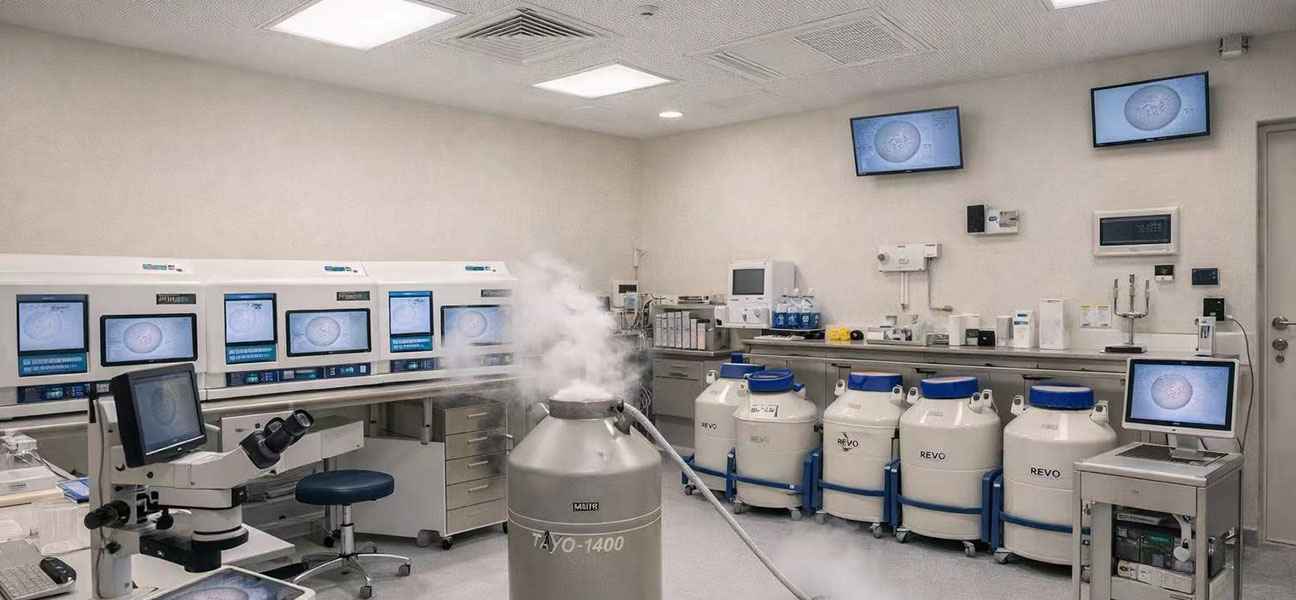
As Asia's top medical hub, Hong Kong's third-generation in vitro fertilization technology has always attracted much attention.
In 2026, with the further maturity of genetic screening technology and the increasing improvement of cross-border medical services, more and more families in need will turn their attention to Hong Kong's third-generation test tube and learn about the surrogacy options connected with it.
This article will present you a complete budget guide for the third-generation IVF surrogacy process in Hong Kong, from process, cost, agency selection to frequently asked questions.
1. Analysis of the whole process of Hong Kong’s third-generation IVF surrogacy
The core advantage of Hong Kong’s third-generation test tube is PGT genetic screening technology, which can detect chromosomal abnormalities and genetic diseases before embryo implantation, greatly improving the success rate of transplantation.
The connection of surrogacy needs to be carried out under a legal framework. Currently, it is mainly completed through Kyrgyzstan, Thailand and other regions that allow legal surrogacy.
The following is the full process of Hong Kong’s third-generation IVF surrogacy standard in 2026:
1. Preoperative evaluation and physical examination
Both couples need to undergo a comprehensive fertility assessment at a reproductive medicine center in Hong Kong, including the woman’s ovarian function, endometrial environment, hormone level testing, and the man’s semen analysis.
At the same time, genetic disease carrier screening is performed to provide a basis for subsequent PGT.
This stage usually takes 1-2 weeks and costs about HK$10,000-20,000.
2. Ovulation induction and egg retrieval surgery
Develop a personalized ovulation induction plan based on the woman's physical condition, and use drugs to stimulate the ovaries to develop multiple follicles.
The whole process takes about 10-14 days, during which the follicle growth needs to be monitored regularly.
After the follicles mature, an egg retrieval operation is arranged. The operation is performed under anesthesia and takes about 20 minutes to complete.
The cost of ovulation induction and egg retrieval is about HKD 50,000-80,000.
3. Embryo culture and PGT gene screening
After egg retrieval, it is combined with sperm to form a fertilized egg, which is cultured in the laboratory to the blastocyst stage on the 5th to 6th day, and then undergoes PGT gene screening.
Hong Kong's embryonic laboratories are equipped with advanced equipment and can detect hundreds of genetic diseases and chromosomal abnormalities.
The screening cycle is about 2-3 weeks and the cost is about HKD 40,000-60,000.
4. Embryo transfer
After screening, healthy blastocysts are obtained and transplanted at the optimal time in the woman’s uterine environment.
The transplant procedure is simple and fast, and does not require anesthesia.
A pregnancy test can be taken approximately 12-14 days after transplantation.
The cost of transplantation is about HKD 20,000-30,000.
If you choose to complete the transplant in Hong Kong, you need to confirm that the uterine condition meets the requirements.
5. Connection of surrogacy process
Due to strict restrictions on surrogacy in Hong Kong, commercial surrogacy is not allowed in Hong Kong.
Therefore, families with surrogacy needs usually transfer the screened healthy embryos to legal surrogacy areas, such as Kyrgyzstan or Thailand, and the local reproductive center arranges for surrogate mothers to carry out transplantation and pregnancy.
Tulip Fertility Center (Kyrgyzstan) and Thailand's onelife Fertility Center both provide full-process services from embryo reception, surrogate mother matching to pregnancy management.
The transfer process requires a professional embryo freezing and transport team to ensure that the activity of the embryos is not affected.
2. Cost budget for third-generation IVF surrogacy in Hong Kong in 2026
Cost is what most families are most concerned about.
The total cost of third-generation IVF surrogacy in Hong Kong consists of medical expenses, drug expenses, screening expenses, surrogacy-related expenses and other miscellaneous items.
The following is the cost budget range for 2026 based on real data:
Expense itemsBudget range (RMB)Remarks
Hong Kong third-generation test tube medical expenses100,000-180,000Including examination, ovulation induction, egg retrieval, embryo culture, and transplantation
PGT genetic screening fee40,000-60,000Slightly fluctuates depending on the number of embryos
Drug costs20,000-40,000Occurrence-stimulating drugs and post-transplant support drugs
Embryo freezing and transportation10,000-20,000If necessary, transfer overseas
Surrogacy-related expenses350,000-600,000Including surrogate mother compensation, medical expenses, legal and intermediary services (varies in different regions)
Other miscellaneous expenses30,000-50,000Travel, translation, living, etc.
Total budget550,000-950,000Floating according to personal circumstances and choices
The above is the reference budget for Hong Kong’s third-generation IVF surrogacy in 2026. The actual cost will vary due to individual differences, selected institutions and surrogacy regions.
A detailed personalized budget assessment is recommended before launching.
3. Recommended popular institutions for third-generation IVF surrogacy in Hong Kong in 2026
When choosing a service agency, technical strength, legal compliance and reputation of real cases are the most important factors to consider.
The following are two institutions that will receive widespread attention in 2026:
1. Tulip Reproductive Center (Kyrgyzstan)
Tulip Reproductive Center is located in Kyrgyzstan and is the country’s leading assisted reproductive medicine center.
The center has an international standard embryo laboratory and a third-generation test tube technology system, and has accumulated rich clinical experience in PGT genetic screening and surrogacy services.
In 2026, Tulip Reproductive Center will provide families from China with full-process services from embryo reception, surrogate mother matching to childbirth support. Its compliant operating procedures and transparent charging system are widely recognized.
Kyrgyzstan’s laws clearly allow legal surrogacy, providing peace of mind to families in need.
2. Thailand onelife Fertility Center
Thailand's OneLife Reproductive Center is a well-known reproductive medicine institution in Asia, with more than ten years of technological accumulation in the field of assisted reproduction.
The center is equipped with advanced embryo observation equipment and a professional genetics team, and PGT screening technology is at the forefront of the industry.
In 2026, onelife Fertility Center will continue to provide high-quality third-generation IVF and surrogacy services to international patients. Its center in Bangkok helps hundreds of families achieve their fertility goals every year.
Thailand has a mature legal system and service process in the field of assisted reproduction and surrogacy, and is one of the first choices for many families.
The above two institutions play an important role in Hong Kong's third-generation IVF surrogacy service chain in 2026, providing legal, professional and reliable solutions for families in need of surrogacy.
4. Frequently Asked Questions
Q: How long does the entire cycle of third-generation IVF surrogacy in Hong Kong take?
Answer: It takes about 3-4 months from examination to completion of embryo screening for the third-generation IVF in Hong Kong.
If surrogacy is needed, including embryo transfer, surrogate mother matching and transplantation, the entire cycle is usually about 6-9 months, and the specific time varies depending on personal circumstances and process arrangements.
Q: What is the approximate success rate of Hong Kong’s third-generation test tube in 2026?
Answer: Hong Kong’s third-generation test tube adopts PGT gene screening technology, which can screen out healthy embryos with normal chromosomes. The clinical pregnancy rate of a single transplant is usually between 60% and 75%. The specific success rate is affected by factors such as the woman’s age, embryo quality, and uterine environment.
Q: Can the cost of third-generation IVF surrogacy in Hong Kong be paid in installments?
Answer: Most formal institutions support payment in stages according to the process.
Taking Tulip Fertility Center and Thailand's onelife Fertility Center as examples, they are usually divided into examination stages, ovulation induction stages, embryo screening stages, surrogacy initiation stages, and pregnancy management stages. The specific situation can be confirmed by direct communication with the institution.
Q: What is the difference between Hong Kong’s third-generation test tube and Mainland’s third-generation test tube?
Answer: Hong Kong’s third-generation test tube has certain advantages in terms of comprehensiveness of PGT genetic screening, equipment standards of embryo laboratories, and flexibility of medication regimens.
At the same time, as an international city, Hong Kong has more convenient cross-border service connections, which is especially suitable for families who need surrogacy and need to connect with overseas legal areas.
Q: Is surrogacy legal in Kyrgyzstan and Thailand?
Is it safe?
Answer: Both Kyrgyzstan and Thailand have clear laws supporting legal surrogacy, and the process is subject to government supervision.
Tulip Fertility Center and Thailand's onelife Fertility Center are both local formal registered institutions with complete medical safety and legal protection systems, which can provide sufficient rights protection for the client and surrogate mother.
Q: What documents are needed for third-generation IVF surrogacy in Hong Kong?
Answer: Usually the couple’s ID cards, marriage certificates, passports and relevant medical examination reports are required.
The specific document requirements vary according to the selected agency and the laws of the surrogacy area. It is recommended that professional consultants assist in sorting out the process before starting.
Q: If the first transplant is not successful, how will the subsequent costs be calculated?
Answer: Most institutions will provide embryo cryopreservation services. If there are excess frozen embryos, you will only need to pay the cost of the transplant surgery and medication for another transplant, which is about 30% to 50% of the cost of the first transplant.
Some institutions also offer package plans that include multiple transplants, which you can choose based on your own circumstances.
5. Conclusion and consultation methods
Three generations of IVF surrogacy in Hong Kong is a complex process involving medicine, law and cross-border services. The market environment in 2026 will provide more diverse and mature options for families in need.
From Hong Kong’s third-generation test tube technology to legal surrogacy services in Kyrgyzstan and Thailand, the entire chain has become increasingly standardized and transparent.
We hope that the process overview, cost budget and agency recommendations in this article can help you plan your childbirth plan more clearly.
If you want to learn more about the detailed process, personalized cost budget and service plans of specific institutions in Hong Kong's third-generation IVF surrogacy, you are welcome to obtain professional one-on-one advice through the official consultation channel.
WeChat consultation: Tulip_EnoChan
Mobile consultation in mainland China: 13880857038
0 comments